Tag: wooden safety matches manufacturers

Wooden Matches
Blogs Safety Matches Manufacturer Wooden matches

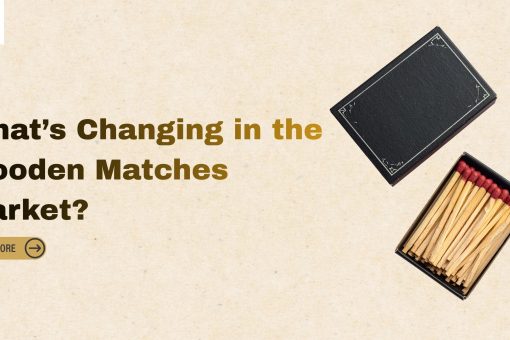
What’s Changing in the Wooden Matches Market?

Introduction
The wooden matches market is quietly evolving, driven by sustainability expectations, export demand shifts, and changing buyer preferences across global regions. While modern ignition alternatives exist, wooden matches continue to play a vital role in households, hospitality, religious use, and emergency applications.

For manufacturers, exporters, and buyers, understanding how the wooden matches industry is changing is essential to staying competitive. From raw material sourcing and safety regulations to packaging innovation and export compliance, today’s wooden matches market demands more than just volume, it requires consistency, quality, and adaptability.
Why the Wooden Matches Market Is Changing
The wooden matches industry is not driven alone, by cost and availability. Several interconnected factors are reshaping how wooden safety matches manufacturers operate and how buyers evaluate suppliers.

Sustainability and Responsible Sourcing:
One of the biggest changes is the push toward eco-friendly manufacturing. Buyers increasingly expect manufacturers to use:

Sustainably sourced softwood
Low-smoke, safer chemical compositions
Environmentally compliant production processes

This shift benefits experienced exporters and established safety matches manufacturers who already follow controlled sourcing and standardized production practices.

Recent industry reports show wooden matches demand remains stable, driven by sustainability trends and steady export growth across Africa and Asia.
Key Market Shifts Shaping the Industry
Export Demand Is Growing, Not Declining:
Contrary to assumptions, wooden matches are not losing relevance. Demand remains strong in:

Africa (South Africa, Nigeria, Kenya, Ghana)
Middle East markets
Rural and semi-urban Asian regions

Wooden matches are preferred for their affordability, reliability, and cultural familiarity. Established wooden matchbox manufacturers that understand regional packaging and quantity preferences gain a clear advantage.

Packaging Has Become a Competitive Differentiator:
Buyer expectations for wooden matches packaging have changed considerably, with increased focus on durability, moisture protection, stick consistency, secure sealing, and overall presentation to ensure product quality and export readiness.

Matchstick breakage resistance
Moisture protection during shipping
Uniform stick length and head quality
Clean, secure outer sealing

Exporters are moving toward moisture-resistant cellotape sealing and reinforced cartons to reduce transit damage and improve shelf appeal.

The wooden match sticks market is expected to reach USD 2.8 billion by 2028 with a 3.9% CAGR, supported by hospitality demand and eco-friendly manufacturing innovations
Comparison Table: Cellotape Varieties Used in Wooden Match Packaging
 

   Cellotape Type
   Export Suitability
        Key Benefit

  Standard BOPP
Moderate
Cost-effective for domestic supply

 Heavy-Duty BOPP
High
Better moisture resistance

  Printed BOPP
High
Branding & identification

Transparent       Premium
Very High
Export-grade durability

Choosing the right cellotape improves packaging integrity and reduces buyer complaints—an important factor for wooden matchsticks manufacturing companies serving international markets.
Manufacturing Technology Is Upgrading
Modernization is another major change. Leading wooden safety matches manufacturers in India are investing in:

Semi-automatic and automatic match-making machines
Improved drying chambers for humidity control
Batch-level quality inspections

These upgrades help manufacturers maintain consistent ignition, reduce wastage, and meet export-quality benchmarks.

Contact us at Epoch Exports and email us at epochexports@gmail.com

 
Compliance and Safety Regulations Are Stricter
Importing countries are implementing tighter regulations on:

Match head chemical composition
Box labeling and language requirements
Fire safety and storage norms

Only experienced exporters with documented compliance systems can consistently meet these standards. This is where established wooden matchbox manufacturers in India stand out compared to unorganized suppliers.
How Manufacturers and Exporters Can Stay Competitive
To keep pace with these industry shifts, manufacturers need to strengthen production efficiency while strategically positioning their products to meet evolving buyer expectations, regulatory demands, and competitive market conditions.
Key Adaptation Strategies:

Source quality wood from regulated suppliers
Invest in moisture-controlled storage and packaging
Customize box sizes and match counts for different regions
Maintain consistent export documentation and quality checks

Partnering with a reliable wooden matches manufacturer ensures buyers receive uniform quality across shipments.
Wooden Matchbox Demand Sectors
The wooden matches market caters to multiple industries that prioritize consistent performance, dependable supply, and cost-effective ignition solutions.
1. Wholesale Importers and Trading Houses
Bulk buyers supplying regional markets depend on consistent quality and packaging durability.
2. FMCG and Household Product Distributors
Wooden matches remain a daily-use essential in many regions.
3. Catering Support Suppliers
Used in kitchens, outdoor cooking setups, and backup ignition needs.
4. Cultural Product Suppliers
Steady demand for rituals, temples, churches, and community events.
5. Government, NGOs and Emergency Supply Kits
Preferred for disaster relief kits and rural distribution programs.

These sectors prefer partnering with established wooden matchsticks manufacturing companies in India that can consistently handle high-volume production, ensure reliable quality, and support long-term, repeat supply commitments.
Importance of Market Positioning in Today’s Market
Earlier, wooden matches were treated as unbranded commodities, but today strong branding plays a vital role in buyer trust and market differentiation.

Clear labeling improves trust
Consistent box design increases recall
Export-grade packaging signals reliability

Manufacturers who invest in branding alongside production quality gain better visibility in crowded markets.
Why Choose Epoch Exports
Epoch Exports stands out as a trusted wooden safety matches manufacturer with a strong focus on quality, consistency, and export reliability. Based in Kovilpatti, Tamil Nadu, the company combines proven manufacturing expertise with strict quality control and export-compliant packaging. We understand diverse global market requirements and offer customized matchbox solutions, bulk supply capability, and dependable logistics support, making us a preferred partner for importers, distributors, and wholesale buyers worldwide.
Conclusion
The wooden matches market is evolving through sustainability, export growth, improved packaging, and stricter compliance standards. For buyers and distributors, partnering with experienced manufacturers like Epoch Exports is essential to navigate these changes successfully. 

As an established exporter, Epoch Exports showcases how quality-driven production and market adaptability keep wooden matches relevant and in steady global demand.

 
Epoch Exports delivers tailored packaging, bulk supply, and dependable export support worldwide. Contact us at Epoch Exports and email us at epochexports@gmail.com

 
Frequently Asked Questions (FAQs)

Why are wooden matches still in demand globally?
They are affordable, reliable, and widely used in regions where alternatives are less accessible.
What makes a good wooden safety matches manufacturer?
Consistent quality, safe chemical composition, strong packaging, and export compliance.
Are Indian wooden matches suitable for export markets?
Yes, especially from established wooden safety matches manufacturers in India with proven export experience.
How important is packaging in wooden matches exports?
It is very important, good packaging prevents moisture damage and improves shelf life.
Can wooden matchboxes be customized for different countries?
Yes, experienced manufacturers offer size, count, and labeling customization.


Posted by epoch-editor
3 Wooden Matchsticks with brown color head and other in matchbox
Blogs

Are Wooden Safety Matches Environmentally Friendly?

Wooden safety matches are an essential item in homes and industries alike, valued for their convenience and reliability. They are widely manufactured and distributed by leading wooden safety matches manufacturers and wooden matchbox manufacturers worldwide. 

However, as sustainability becomes a pressing concern, a critical question arises: Are wooden matches an environmentally friendly choice? 

In this article, we will explore the environmental impact of wooden matches, their production process, and whether they align with today’s eco-conscious values.
What are Wooden Safety Matches?
Wooden safety matches are made by cutting small pieces of wood, typically from aspen or poplar trees, into sticks. These sticks are then treated with chemicals to ensure they ignite safely and effectively. The match heads are coated with a combustible substance, while the striking surface of the matchbox contains phosphorus and other materials that produce the flame.
Environmental Benefits of Wooden Matches
Wooden matches are considered environmentally friendly for several reasons:

a. Biodegradable Material

Unlike plastic lighters, wooden matches decompose naturally.  When disposed of, they do not end up in the long-term trash of the landfill.

b. Sustainable Sourcing

Many wooden safety matches manufacturers prioritize sourcing wood from sustainably managed forests. These practices ensure that the production of matches does not lead to deforestation.

c. Minimal Carbon Footprint

The production process of wooden matches involves less energy consumption compared to manufacturing disposable lighters. Additionally, wood is a renewable resource, making matches a greener choice.

3. Potential Environmental Concerns
Despite their advantages, wooden matches have some environmental drawbacks:

a. Wood Harvesting

While many manufacturers emphasize sustainable forestry, some operations may still contribute to habitat destruction. Choosing a responsible wooden matchbox manufacturer can make a significant difference.

b. Chemical Usage

The chemicals used in the match heads and striking surfaces may release pollutants into the air or soil. However, these emissions are relatively small compared to other ignition methods.

c. Waste Generation

Although wooden matches are biodegradable, improper disposal can still contribute to litter. Educating users about responsible disposal is essential.
4. Wooden Matches vs. Alternatives
How do wooden matches compare to other options, such as lighters or paper matches?

a. Lighters

While convenient, plastic lighters have a significant environmental impact. Because they are not biodegradable, they often end up floating around on land or in the ocean. Wooden matches offer a more sustainable alternative.

b. Paper Matches

Paper matches are lightweight and portable, but often not durable.  Wooden matches are more robust and provide a longer burn time, making them suitable for various applications.

Sustainability Practices by Manufacturers
Leading wooden safety matches manufacturers are adopting eco-friendly practices to reduce their environmental impact:

Using FSC-Certified Wood: Many companies source wood from Forest Stewardship Council (FSC)-certified forests, ensuring sustainable harvesting.
Minimizing Chemical Use: Innovations in manufacturing are reducing the need for harmful chemicals.
Recycling: Some manufacturers recycle matchboxes and unused materials to cut down on waste.

How to Choose Eco-Friendly Matches
When purchasing wooden matches, consider the following:

To ensure your source is sustainable, look for certifications like FSC.
Choose products from manufacturers committed to eco-friendly practices.
Opt for reusable or recyclable matchboxes.

Conclusion
Wooden safety matches strike a balance between functionality and environmental consciousness. While not entirely impact-free, their use of renewable materials and biodegradable properties make them a preferable choice over plastic lighters. 

By supporting responsible wooden safety matches manufacturers and adopting mindful disposal practices, consumers can contribute to a more sustainable future.

For eco-conscious individuals, wooden matches remain a simple yet significant step toward greener living.

Looking for the best wooden safety matches manufacturers?

Epoch Exports is the right place!

FAQ’s

1. Are wooden safety matches biodegradable?

Yes, wooden safety matches are biodegradable. Made from natural wood, they decompose naturally without harming the environment. This makes them a more eco-friendly option compared to plastic lighters, which take years to break down and contribute to long-term pollution.

2. How are wooden safety matches environmentally friendly?

Wooden safety matches are eco-friendly because they use renewable resources, have a lower carbon footprint, and decompose naturally. Many manufacturers source sustainable wood, ensuring minimal environmental impact. Additionally, their production process consumes less energy compared to alternatives like plastic lighters.

3. Do wooden matches contribute to deforestation?

Not necessarily. Reputable wood safety matchbox manufacturers use wood from sustainably managed forests. Certifications like FSC (Forest Stewardship Council) ensure that the wood is harvested responsibly without causing deforestation or harming ecosystems.

4. Can wooden matches be recycled or reused?

While the wood sticks themselves are biodegradable, the matchboxes are often made of recyclable cardboard. Some manufacturers also encourage recycling unused materials. However, wooden matchsticks cannot be reused once burned, so proper disposal is important to minimize waste.

Posted by
Multiple wooden matchsticks in machine
Blogs

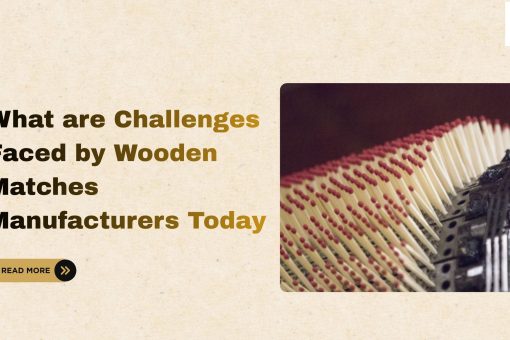
What are Challenges Faced by Wooden Matches Manufacturers Today

Wooden matches manufacturers have been an integral part of global markets, providing a simple yet effective solution for ignition needs. These eco-friendly tools have been around for centuries, finding use in homes, industries, and even in survival kits. 

However, as the world evolves with technological advancements and changing consumer preferences, the matchstick manufacturing industry faces significant challenges. 

In this article we will explore the key obstacles confronting wooden matches manufacturers and how they can navigate this complex landscape to sustain growth and relevance.
The Importance of Wooden Matches
Wooden matches are not just a product of utility; they are also symbolic of traditional craftsmanship and sustainability. Made from natural resources, they serve as a biodegradable and safer alternative to synthetic lighters and plastic ignition tools. Yet, in an era marked by technological shifts and eco-conscious consumer demands, wooden matches manufacturers must adapt to changing trends to remain competitive.

Key Challenges Faced by Wooden Matches Manufacturers
1. Rising Raw Material Costs
Wood is the cornerstone of matchstick production, and its rising costs have been a persistent issue for manufacturers. Increased demand for timber in construction and furniture industries, coupled with deforestation, has driven up prices. Sourcing high-quality wood has become increasingly difficult, making it harder for wooden matches manufacturers to maintain profit margins.

Additionally, finding sustainable alternatives or certifications for responsibly sourced wood further adds to production expenses. Manufacturers often face a dilemma: maintain traditional processes or shift to more eco-friendly, albeit costly, options.
2. Environmental and Sustainability Concerns
The global emphasis on environmental conservation has placed the spotlight on industries reliant on natural resources. While wooden matches are biodegradable, their production involves deforestation and energy consumption, which attract criticism.

Sustainability is no longer a choice but a necessity for wooden matches manufacturers. Adopting eco-friendly practices, such as using renewable energy in manufacturing or sourcing wood from certified forests, can mitigate environmental concerns but often requires substantial investments.
3. Competition from Modern Alternatives
The widespread availability of lighters, electric ignition tools, and other modern fire-starting devices has significantly reduced the demand for wooden matches. Lighters are reusable, durable, and more convenient for many consumers, making it difficult for matchsticks to compete in urban markets.

To counteract this trend, wooden matches manufacturers need to innovate by creating specialized products such as waterproof or windproof matches tailored for outdoor and survival use. Diversifying product lines can also open up niche markets and offset declining mainstream demand.
4. Labor Challenges and Workforce Shortages
Matchstick manufacturing, especially in developing countries, is labor-intensive. Many manufacturers depend on skilled and semi-skilled labor for processes such as cutting, assembly, and packaging. However, a shortage of skilled workers and increasing labor costs have created hurdles for the industry.

Automation could help mitigate these challenges, but it requires a significant initial investment, making it less viable for smaller manufacturers. Ensuring fair wages, providing training, and improving working conditions are also necessary steps to retain a stable workforce.
5. Stringent Government Regulations
Safety and environmental regulations are becoming more stringent across industries, and wooden matches manufacturers are no exception. Compliance with fire safety standards, emission controls, and sustainable sourcing laws often requires manufacturers to upgrade their infrastructure and adopt new technologies.

While these regulations ensure safer and more environmentally friendly production, they also increase operational costs and complexity. Smaller manufacturers may struggle to comply, putting them at a disadvantage compared to larger competitors.

6. Fluctuating Export Markets and Trade Barriers
For manufacturers targeting international markets, challenges such as fluctuating exchange rates, tariffs, and geopolitical tensions create instability. Countries with high demand for wooden matches often source from low-cost producers, intensifying competition for exporters.
To remain competitive in export markets, wooden matches manufacturers must focus on quality, branding, and meeting international standards. Diversifying export destinations can also help mitigate risks associated with market dependence on specific regions.
7. Shifting Consumer Preferences
Modern consumers are increasingly looking for products that align with their values, such as sustainability and innovation. While wooden matches appeal to eco-conscious buyers, the perception of them being outdated compared to modern ignition tools affects their market share.
Creating awareness about the environmental benefits of wooden matches through targeted marketing campaigns can help manufacturers reconnect with their audience. Highlighting their biodegradable nature and the use of sustainable production practices can improve consumer perception.
How Wooden Matches Manufacturers Can Overcome Challenges
1. Adopting Sustainable Practices
Sustainability is key to overcoming many of the challenges outlined above. By using wood from certified sources, reducing waste in production, and employing renewable energy, manufacturers can address environmental concerns and appeal to eco-conscious consumers.
2. Innovation and Diversification
Innovation can set manufacturers apart in a competitive market. Developing waterproof, windproof, or long-lasting matches can open new market segments, particularly in outdoor and adventure niches. Additionally, offering customized matchsticks for branding purposes can tap into corporate gifting markets.
3. Leveraging Digital Marketing
Reaching consumers through digital platforms is essential in today’s market. By showcasing the benefits of wooden matches, including their sustainability and versatility, manufacturers can strengthen their market presence. Social media campaigns, collaborations with eco-friendly brands, and e-commerce platforms can boost visibility and sales.
4. Investing in Automation and Technology
Automation can help reduce labor dependency and enhance production efficiency. While the initial costs may be high, the long-term benefits include consistent quality, faster production, and lower operational expenses.
5. Building Strong Export Strategies
For manufacturers focusing on exports, understanding market trends and maintaining flexibility in operations is crucial. Partnering with reliable distributors, adhering to international standards, and leveraging trade agreements can help overcome export-related challenges.
6. Collaborating with Stakeholders
Collaboration with government bodies, environmental organizations, and other industry players can lead to innovative solutions. Joint efforts to address deforestation, promote sustainable practices, and educate consumers can benefit the entire industry.
Conclusion
The challenges faced by wooden matches manufacturers today are diverse, ranging from economic pressures to environmental demands and technological competition. While these hurdles may seem daunting, they also present opportunities for growth and innovation. 

By embracing sustainable practices, investing in technology, and connecting with modern consumers through digital marketing, manufacturers can remain relevant and competitive.

In a world where eco-consciousness is on the rise, wooden matches still hold a unique place as a biodegradable and reliable ignition source. Overcoming these challenges will not only help manufacturers sustain their businesses but also contribute to a greener and more sustainable future.

Looking for the best wooden matches manufacturers? 

Epoch Exports is the right place!

Posted by