Tag: Wooden Safety Matches

Wooden Matches
Blogs Safety Matches Manufacturer Wooden matches

What’s Changing in the Wooden Matches Market?

Introduction
The wooden matches market is quietly evolving, driven by sustainability expectations, export demand shifts, and changing buyer preferences across global regions. While modern ignition alternatives exist, wooden matches continue to play a vital role in households, hospitality, religious use, and emergency applications.

For manufacturers, exporters, and buyers, understanding how the wooden matches industry is changing is essential to staying competitive. From raw material sourcing and safety regulations to packaging innovation and export compliance, today’s wooden matches market demands more than just volume, it requires consistency, quality, and adaptability.
Why the Wooden Matches Market Is Changing
The wooden matches industry is not driven alone, by cost and availability. Several interconnected factors are reshaping how wooden safety matches manufacturers operate and how buyers evaluate suppliers.

Sustainability and Responsible Sourcing:
One of the biggest changes is the push toward eco-friendly manufacturing. Buyers increasingly expect manufacturers to use:

Sustainably sourced softwood
Low-smoke, safer chemical compositions
Environmentally compliant production processes

This shift benefits experienced exporters and established safety matches manufacturers who already follow controlled sourcing and standardized production practices.

Recent industry reports show wooden matches demand remains stable, driven by sustainability trends and steady export growth across Africa and Asia.
Key Market Shifts Shaping the Industry
Export Demand Is Growing, Not Declining:
Contrary to assumptions, wooden matches are not losing relevance. Demand remains strong in:

Africa (South Africa, Nigeria, Kenya, Ghana)
Middle East markets
Rural and semi-urban Asian regions

Wooden matches are preferred for their affordability, reliability, and cultural familiarity. Established wooden matchbox manufacturers that understand regional packaging and quantity preferences gain a clear advantage.

Packaging Has Become a Competitive Differentiator:
Buyer expectations for wooden matches packaging have changed considerably, with increased focus on durability, moisture protection, stick consistency, secure sealing, and overall presentation to ensure product quality and export readiness.

Matchstick breakage resistance
Moisture protection during shipping
Uniform stick length and head quality
Clean, secure outer sealing

Exporters are moving toward moisture-resistant cellotape sealing and reinforced cartons to reduce transit damage and improve shelf appeal.

The wooden match sticks market is expected to reach USD 2.8 billion by 2028 with a 3.9% CAGR, supported by hospitality demand and eco-friendly manufacturing innovations
Comparison Table: Cellotape Varieties Used in Wooden Match Packaging
 

   Cellotape Type
   Export Suitability
        Key Benefit

  Standard BOPP
Moderate
Cost-effective for domestic supply

 Heavy-Duty BOPP
High
Better moisture resistance

  Printed BOPP
High
Branding & identification

Transparent       Premium
Very High
Export-grade durability

Choosing the right cellotape improves packaging integrity and reduces buyer complaints—an important factor for wooden matchsticks manufacturing companies serving international markets.
Manufacturing Technology Is Upgrading
Modernization is another major change. Leading wooden safety matches manufacturers in India are investing in:

Semi-automatic and automatic match-making machines
Improved drying chambers for humidity control
Batch-level quality inspections

These upgrades help manufacturers maintain consistent ignition, reduce wastage, and meet export-quality benchmarks.

Contact us at Epoch Exports and email us at epochexports@gmail.com

 
Compliance and Safety Regulations Are Stricter
Importing countries are implementing tighter regulations on:

Match head chemical composition
Box labeling and language requirements
Fire safety and storage norms

Only experienced exporters with documented compliance systems can consistently meet these standards. This is where established wooden matchbox manufacturers in India stand out compared to unorganized suppliers.
How Manufacturers and Exporters Can Stay Competitive
To keep pace with these industry shifts, manufacturers need to strengthen production efficiency while strategically positioning their products to meet evolving buyer expectations, regulatory demands, and competitive market conditions.
Key Adaptation Strategies:

Source quality wood from regulated suppliers
Invest in moisture-controlled storage and packaging
Customize box sizes and match counts for different regions
Maintain consistent export documentation and quality checks

Partnering with a reliable wooden matches manufacturer ensures buyers receive uniform quality across shipments.
Wooden Matchbox Demand Sectors
The wooden matches market caters to multiple industries that prioritize consistent performance, dependable supply, and cost-effective ignition solutions.
1. Wholesale Importers and Trading Houses
Bulk buyers supplying regional markets depend on consistent quality and packaging durability.
2. FMCG and Household Product Distributors
Wooden matches remain a daily-use essential in many regions.
3. Catering Support Suppliers
Used in kitchens, outdoor cooking setups, and backup ignition needs.
4. Cultural Product Suppliers
Steady demand for rituals, temples, churches, and community events.
5. Government, NGOs and Emergency Supply Kits
Preferred for disaster relief kits and rural distribution programs.

These sectors prefer partnering with established wooden matchsticks manufacturing companies in India that can consistently handle high-volume production, ensure reliable quality, and support long-term, repeat supply commitments.
Importance of Market Positioning in Today’s Market
Earlier, wooden matches were treated as unbranded commodities, but today strong branding plays a vital role in buyer trust and market differentiation.

Clear labeling improves trust
Consistent box design increases recall
Export-grade packaging signals reliability

Manufacturers who invest in branding alongside production quality gain better visibility in crowded markets.
Why Choose Epoch Exports
Epoch Exports stands out as a trusted wooden safety matches manufacturer with a strong focus on quality, consistency, and export reliability. Based in Kovilpatti, Tamil Nadu, the company combines proven manufacturing expertise with strict quality control and export-compliant packaging. We understand diverse global market requirements and offer customized matchbox solutions, bulk supply capability, and dependable logistics support, making us a preferred partner for importers, distributors, and wholesale buyers worldwide.
Conclusion
The wooden matches market is evolving through sustainability, export growth, improved packaging, and stricter compliance standards. For buyers and distributors, partnering with experienced manufacturers like Epoch Exports is essential to navigate these changes successfully. 

As an established exporter, Epoch Exports showcases how quality-driven production and market adaptability keep wooden matches relevant and in steady global demand.

 
Epoch Exports delivers tailored packaging, bulk supply, and dependable export support worldwide. Contact us at Epoch Exports and email us at epochexports@gmail.com

 
Frequently Asked Questions (FAQs)

Why are wooden matches still in demand globally?
They are affordable, reliable, and widely used in regions where alternatives are less accessible.
What makes a good wooden safety matches manufacturer?
Consistent quality, safe chemical composition, strong packaging, and export compliance.
Are Indian wooden matches suitable for export markets?
Yes, especially from established wooden safety matches manufacturers in India with proven export experience.
How important is packaging in wooden matches exports?
It is very important, good packaging prevents moisture damage and improves shelf life.
Can wooden matchboxes be customized for different countries?
Yes, experienced manufacturers offer size, count, and labeling customization.


Posted by epoch-editor
3 Wooden Matchsticks with brown color head and other in matchbox
Blogs

Are Wooden Safety Matches Environmentally Friendly?

Wooden safety matches are an essential item in homes and industries alike, valued for their convenience and reliability. They are widely manufactured and distributed by leading wooden safety matches manufacturers and wooden matchbox manufacturers worldwide. 

However, as sustainability becomes a pressing concern, a critical question arises: Are wooden matches an environmentally friendly choice? 

In this article, we will explore the environmental impact of wooden matches, their production process, and whether they align with today’s eco-conscious values.
What are Wooden Safety Matches?
Wooden safety matches are made by cutting small pieces of wood, typically from aspen or poplar trees, into sticks. These sticks are then treated with chemicals to ensure they ignite safely and effectively. The match heads are coated with a combustible substance, while the striking surface of the matchbox contains phosphorus and other materials that produce the flame.
Environmental Benefits of Wooden Matches
Wooden matches are considered environmentally friendly for several reasons:

a. Biodegradable Material

Unlike plastic lighters, wooden matches decompose naturally.  When disposed of, they do not end up in the long-term trash of the landfill.

b. Sustainable Sourcing

Many wooden safety matches manufacturers prioritize sourcing wood from sustainably managed forests. These practices ensure that the production of matches does not lead to deforestation.

c. Minimal Carbon Footprint

The production process of wooden matches involves less energy consumption compared to manufacturing disposable lighters. Additionally, wood is a renewable resource, making matches a greener choice.

3. Potential Environmental Concerns
Despite their advantages, wooden matches have some environmental drawbacks:

a. Wood Harvesting

While many manufacturers emphasize sustainable forestry, some operations may still contribute to habitat destruction. Choosing a responsible wooden matchbox manufacturer can make a significant difference.

b. Chemical Usage

The chemicals used in the match heads and striking surfaces may release pollutants into the air or soil. However, these emissions are relatively small compared to other ignition methods.

c. Waste Generation

Although wooden matches are biodegradable, improper disposal can still contribute to litter. Educating users about responsible disposal is essential.
4. Wooden Matches vs. Alternatives
How do wooden matches compare to other options, such as lighters or paper matches?

a. Lighters

While convenient, plastic lighters have a significant environmental impact. Because they are not biodegradable, they often end up floating around on land or in the ocean. Wooden matches offer a more sustainable alternative.

b. Paper Matches

Paper matches are lightweight and portable, but often not durable.  Wooden matches are more robust and provide a longer burn time, making them suitable for various applications.

Sustainability Practices by Manufacturers
Leading wooden safety matches manufacturers are adopting eco-friendly practices to reduce their environmental impact:

Using FSC-Certified Wood: Many companies source wood from Forest Stewardship Council (FSC)-certified forests, ensuring sustainable harvesting.
Minimizing Chemical Use: Innovations in manufacturing are reducing the need for harmful chemicals.
Recycling: Some manufacturers recycle matchboxes and unused materials to cut down on waste.

How to Choose Eco-Friendly Matches
When purchasing wooden matches, consider the following:

To ensure your source is sustainable, look for certifications like FSC.
Choose products from manufacturers committed to eco-friendly practices.
Opt for reusable or recyclable matchboxes.

Conclusion
Wooden safety matches strike a balance between functionality and environmental consciousness. While not entirely impact-free, their use of renewable materials and biodegradable properties make them a preferable choice over plastic lighters. 

By supporting responsible wooden safety matches manufacturers and adopting mindful disposal practices, consumers can contribute to a more sustainable future.

For eco-conscious individuals, wooden matches remain a simple yet significant step toward greener living.

Looking for the best wooden safety matches manufacturers?

Epoch Exports is the right place!

FAQ’s

1. Are wooden safety matches biodegradable?

Yes, wooden safety matches are biodegradable. Made from natural wood, they decompose naturally without harming the environment. This makes them a more eco-friendly option compared to plastic lighters, which take years to break down and contribute to long-term pollution.

2. How are wooden safety matches environmentally friendly?

Wooden safety matches are eco-friendly because they use renewable resources, have a lower carbon footprint, and decompose naturally. Many manufacturers source sustainable wood, ensuring minimal environmental impact. Additionally, their production process consumes less energy compared to alternatives like plastic lighters.

3. Do wooden matches contribute to deforestation?

Not necessarily. Reputable wood safety matchbox manufacturers use wood from sustainably managed forests. Certifications like FSC (Forest Stewardship Council) ensure that the wood is harvested responsibly without causing deforestation or harming ecosystems.

4. Can wooden matches be recycled or reused?

While the wood sticks themselves are biodegradable, the matchboxes are often made of recyclable cardboard. Some manufacturers also encourage recycling unused materials. However, wooden matchsticks cannot be reused once burned, so proper disposal is important to minimize waste.

Posted by
Wooden Safety Matches
Blogs

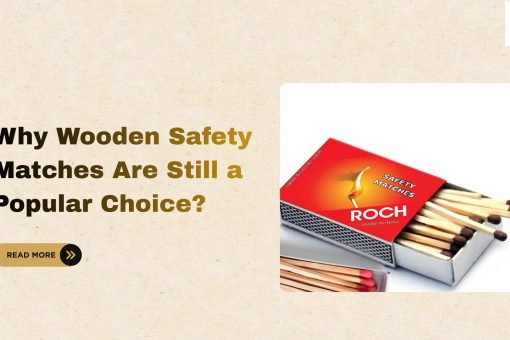
Why Wooden Safety Matches Are Still a Popular Choice?

Introduction
Wooden safety matches remain an essential household item in an era dominated by contemporary technology and sophisticated fire-starting gear. 

Millions of consumers throughout the world have long chosen hardwood safety matches because of their dependability, ease of use, and environmental friendliness. 

Their usefulness and aesthetic appeal are unrivalled, whether it’s lighting a candle during a power outage or creating a warm and inviting fireplace. 

In this article, we will explore why wood safety matches are still a popular choice by looking at their historical significance, practicality, and environmental benefits.
1. History of Wooden Safety Matches
Wooden safety matches have a rich history that dates back to the early 19th century. They were invented as a safer alternative to earlier, more hazardous fire-starting methods. 

The key innovation was the introduction of a non-toxic formula for the match head, which minimized accidental ignition and reduced health risks for manufacturers. 

Over time, these matches became widely used across households, workplaces, and industries, cementing their place as a staple product.

2. Advantages of Wooden Safety Matches
a. Reliability

Wooden safety matches are known for their reliability. Unlike lighters, which can malfunction or run out of fuel, matches offer a dependable way to create fire. They function effectively in a variety of conditions, including high altitudes and cold temperatures.

b. Ease of Use

Using wooden safety matches is straightforward. With a simple strike against a specially designed surface, you can produce a flame instantly. This ease of use makes them ideal for people of all ages, from young campers to elderly users.

c. Versatility

Wooden safety matches are incredibly versatile. They are used in various settings, such as lighting stoves, candles, and campfires. Their compact design makes them easy to carry, whether you’re at home or on an outdoor adventure.
3. Eco-Friendly and Sustainable Choice

a. Biodegradable Materials

One of the biggest advantages of wooden safety matches is their eco-friendly nature. Made primarily from wood and non-toxic chemicals, they decompose naturally, reducing their impact on the environment.

b. Renewable Resource

The wood used in safety matches typically comes from sustainable sources. Manufacturers often engage in responsible forestry practices, ensuring that the raw materials are replenished.

c. Minimal Carbon Footprint

Compared to disposable lighters, which are made from plastic and contribute to landfill waste, wooden safety matches have a much smaller carbon footprint.
4. Cost-Effective and Accessible
Wooden safety matches are a budget-friendly option for families and businesses alike. They are widely available in supermarkets, convenience stores, and online platforms, ensuring easy access for consumers. Their affordability makes them a practical choice for everyday use.
5. Enhanced Safety Features
Modern wooden safety matches are designed with advanced safety features to prevent accidental ignition. The striking surface is specifically engineered to ignite the match head only under controlled conditions, making them safer to store and use.
6. Cultural and Emotional Value
Wooden safety matches hold a nostalgic charm for many users. They evoke memories of simpler times and are often associated with family traditions, such as lighting birthday candles or starting a fireplace during the holidays. Their cultural significance adds to their enduring popularity.
7. Creative Uses of Wooden Safety Matches
Beyond their primary function, wooden safety matches have found their way into various creative applications. They are often used in DIY crafts, home décor projects, and even as an artistic medium. This versatility adds to their appeal.
8. Comparing Wooden Safety Matches with Other Fire-Starting Tools
a. Lighters

While lighters are convenient, they come with drawbacks such as limited fuel supply and environmental concerns. Wooden safety matches, on the other hand, offer a sustainable and reliable alternative.

b. Electric Fire Starters

Electric fire starters require batteries or electricity, making them less practical in outdoor or emergency situations. Wooden safety matches are a more dependable option in such scenarios.
9. Tips for Storing and Using Wooden Safety Matches
To maximize the lifespan and effectiveness of your wooden safety matches, consider these tips:

Keep them dry: Store matches in a cool, dry place to prevent moisture from compromising their functionality.
Use a sturdy container: A metal or plastic box with a tight seal can protect matches from water and physical damage.
Follow safety guidelines: Always strike matches away from your body and keep them out of reach of children.

10. Future of Wooden Safety Matches
Despite the rise of advanced fire-starting tools, the future of wooden safety matches looks bright. Innovations in manufacturing and an increasing emphasis on sustainability are likely to keep them relevant for years to come. As more consumers prioritize eco-friendly products, wooden safety matches are poised to maintain their status as a popular and reliable choice.
Conclusion
The enduring popularity of wooden safety matches can be attributed to their reliability, ease of use, and eco-friendly nature. 

Their rich history, combined with modern advancements in safety and sustainability, makes them a timeless choice for consumers. 

Whether for practical applications or creative projects, wooden safety matches continue to light up our lives in more ways than one. 

For those seeking a cost-effective, sustainable, and versatile fire-starting solution, wooden safety matches remain unmatched in their appeal.

Looking for the best wooden safety matches manufacturer?

Epoch Exports is the right place! 

Posted by
Wooden Safety Matches
Blogs

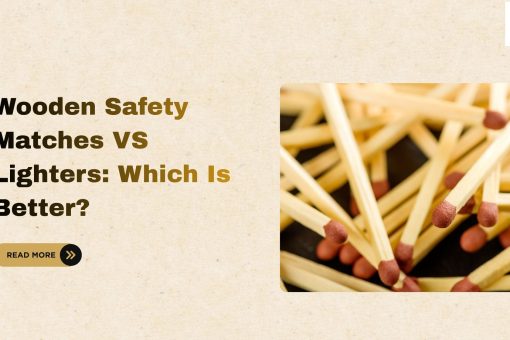
Wooden Safety Matches VS Lighters: Which Is Better?

Introduction
When it comes to lighting a fire, wooden safety matches and lighters have long been household staples. But which is better? Each has its advantages and disadvantages, depending on the setting and purpose.

In this article, we’ll compare wooden safety matches and lighters, helping you decide which is best for your needs.
What Are Wooden Matches?
Wooden matches are small sticks of wood tipped with a chemical that ignites when struck against a rough surface, called a striker. A specific type, known as wooden safety matches, ignites only when struck on a special surface, reducing accidental ignitions. Available in various sizes, they’re commonly used for lighting candles, fireplaces, and stoves.

Benefits of Wooden Safety Matches

Eco-Friendly Material

Wooden safety matches are made from biodegradable wood, allowing them to decompose naturally over time. Unlike disposable plastic lighters, which can remain in landfills for decades, wooden matches offer an eco-friendly alternative.

Minimal Chemicals

These matches contain fewer chemicals, reducing environmental impact. For example, the tip is typically made from potassium chlorate, which burns cleanly without harmful residues.

Classic Appeal

The timeless charm of wooden matches enhances the experience of lighting a candle or fireplace. Their elegant aesthetic makes them a favorite in fine dining or other sophisticated settings.

Steady Flame

Wooden safety matches produce a controlled, steady flame, making them ideal for tasks like lighting a gas stove or candle.
Drawbacks of Wooden Safety Matches
Single-Use: Each match is designed for one-time use, which may not be ideal for longer tasks.

Weather Sensitivity: Wooden matches struggle in windy or damp conditions, making them less reliable outdoors.

Storage Challenges: To retain their usability, wooden safety matches must be stored in a dry location.
What Are Lighters?
Lighters are reusable devices that produce a flame by igniting a flammable liquid or gas. Commonly used for lighting cigarettes, candles, and fires, lighters come in various forms, including disposable, refillable, and electric.

Wooden Safety Matches vs. Lighters: Key Comparisons

Environmental Impact

Wooden Safety Matches: These matches are the environmentally friendly choice. Made from wood and cardboard, they break down naturally and don’t contribute to plastic waste.

Lighters: Disposable lighters are a significant source of pollution. Refillable lighters are a better alternative but still contain non-biodegradable materials.

Ease of Use

Wooden Matches: Simple to use but require a rough surface to ignite, which can be inconvenient outdoors.

Lighters: Convenient and reliable, lighters work well even in windy conditions.

Cost-Effectiveness

Wooden Safety Matches: Affordable and ideal for occasional use. However, regular use can become costly compared to reusable options.

Lighters: Disposable lighters last for hundreds of uses, making them more cost-effective for frequent use.
When to Choose Wooden Safety Matches
Eco-Conscious Consumers: If reducing plastic waste and using biodegradable materials are priorities, wooden safety matches are the perfect choice.

Indoor Use: Ideal for lighting candles, stoves, or fireplaces where wind isn’t an issue.

Aesthetic Appeal: Their nostalgic charm makes them a wonderful addition to elegant or traditional settings.
When to Choose Lighters
Outdoor Activities: Lighters, especially windproof ones, are ideal for camping, hiking, and other outdoor scenarios.

Frequent Use: If you need a flame regularly, such as for lighting cigarettes, lighters are more convenient.

Portability: Compact and easy to carry, lighters are always handy for on-the-go needs.
Conclusion
Both wooden safety matches and lighters have unique advantages. For eco-conscious and indoor users, wooden matches provide a sustainable and classic option. On the other hand, lighters excel in convenience, especially for outdoor activities and frequent use.

For the best of both worlds, keep wooden safety matches at home for a nostalgic touch and carry a lighter for outdoor adventures.

Posted by