
Tag: safety matches exporter

Safety Matches Exporters
Blogs Exports

Safety Matches Exporters Delivering Premium-Quality Matches Worldwide

From households to industries, safety matches play an essential role in everyday life. Whether used for lighting candles, stoves, or campfires, the quality and reliability of safety matches are crucial for safe and efficient use.  This article explores how safety matches exporters ensure superior product quality, adhere to global trade regulations, and contribute to sustainable manufacturing. 
Introduction: The Global Demand for Safety Matches
Safety matches are indispensable commodities that serve multiple purposes across different industries and homes worldwide. Exporters specializing in safety matches cater to a growing global demand by delivering high-quality, eco-friendly, and reliable products. Leading matchbox exporting firms follow stringent quality control measures and innovative production techniques to manufacture premium safety matches that meet international standards.
The Importance of High-Quality Safety Matches
1. Ensuring Safety and Reliability
One of the key aspects of premium-quality safety matches is their reliable ignition and controlled burning. Poor-quality matches may lead to accidental fires, incomplete combustion, or inconvenience during use. Top safety matches exporters prioritize safety by using high-grade chemicals and precise manufacturing techniques to ensure consistent performance.
2. Diverse Applications Across Industries
Safety matches are not just limited to household use. They are widely used in:

Hotels and Restaurants: Essential for lighting stoves and candles.
Camping and Outdoor Activities: Waterproof and windproof matches provide reliability in harsh conditions.
Tobacco Industry: Used in cigar and pipe lighting.
Industrial Applications: Required for controlled ignition in laboratories and certain manufacturing processes.

3. Sustainability and Environmental Responsibility

In today’s environmentally conscious world, many safety matches exporters have adopted sustainable practices such as:

Using eco-friendly wood for matchsticks.
Manufacturing phosphorus-free match heads.
Implementing biodegradable and recyclable packaging.

By prioritizing sustainability, exporters contribute to reducing deforestation and environmental pollution, making their products more attractive to global buyers.
Manufacturing Standards and Quality Control

1. High-Quality Raw Materials
As a prominent safety matches manufacturer, we ensure the production of quality matches with the use of carefully chosen raw materials  including:

Softwood or hardwood for matchsticks.
Chemical coating to ensure controlled ignition.
Striking surfaces with precise chemical composition for smooth ignition.

2. Stringent Quality Checks
Reputed safety matches exporters implement multiple layers of quality control to ensure premium products:

Moisture control: Prevents swelling or damage to matchsticks.
Burn tests: Ensures even and complete burning.
Packaging integrity: Verifies protection from external elements.

3. Compliance with International Standards

Global safety regulations dictate strict guidelines for matchbox manufacturers and exporters. Leading firms comply with ISO certifications, safety regulations, and country-specific import laws to ensure seamless international trade.
Innovation and Sustainability in Modern Matchbox Production
1. Waterproof and Windproof Matches
To provide the outdoor and survival market, exporters now produce waterproof and windproof safety matches. These matches ensure reliable ignition even in extreme conditions, making them ideal for campers, military personnel, and adventurers.
2. Eco-Friendly Matchsticks
Many exporters are going towards sulfur-free and phosphorus-free matches to eliminate harmful emissions and ensure safer, non-toxic combustion. Bamboo-based matchsticks are also gaining popularity as a sustainable alternative to traditional wooden matches.
3. Customizable Matchboxes for Branding
Businesses worldwide use customized matchboxes for promotional purposes. Exporters offer personalized packaging options, including company logos, unique designs, and branding elements, making safety matches an effective marketing tool for businesses.
How Safety Matches Exporters Cater to International Markets
1. Bulk Supply and Wholesale Distribution
Top safety matches manufacturer, we offer bulk supply solutions to meet the needs of wholesale buyers, retailers, and global businesses. With advanced production capabilities, we guarantee timely shipments while upholding superior quality standards.
2. Compliance with Import Regulations
Different countries have varying regulations regarding the import and sale of safety matches. Leading exporters adhere to stringent import policies, ensuring their products comply with safety, packaging, and material guidelines.
3. Tailored Solutions for Different Regions
Safety matches are designed and packaged based on regional preferences and requirements. Exporters offer:

Moisture-resistant packaging for humid climates.
Longer matchsticks for specific uses.
Customized branding and labeling for different markets.

Choosing a Reputable Safety Matches Exporter
When selecting a reliable matchbox exporter, businesses should consider:
1. Reputation and Experience
Look for exporters with a proven track record in the industry, positive client reviews, and strong global partnerships.
2. Compliance with Safety Standards
Ensure the exporter follows international safety regulations, certifications, and quality control measures to guarantee product safety.
3. Eco-Friendly and Sustainable Practices
Companies committed to sustainability and environmental responsibility offer a competitive advantage, ensuring long-term reliability in the market.
4. Competitive Pricing and Bulk Availability
Reliable exporters provide cost-effective pricing, bulk supply options, and flexible packaging solutions to meet diverse customer needs.
5. Efficient Logistics and Global Reach
A reputable exporter should have a strong distribution network to ensure timely deliveries and seamless international shipping.
Conclusion: The Future of Safety Matches Exporting
As the demand for premium-quality safety matches continues to grow, leading exporters are adapting to new trends, sustainability practices, and market demands. By focusing on quality, innovation, and global compliance, they ensure that customers receive safe, reliable, and eco-friendly matchbox solutions.

Choosing the right safety matches exporter is crucial for businesses looking to source high-quality matches for various applications. With strict quality control, international certifications, and commitment to sustainability, top matchbox exporting firms continue to deliver excellence to global markets.

For businesses seeking a trusted safety matches exporter, Epoch Exports stands as a symbol of quality, reliability, and excellence, ensuring seamless global supply with a commitment to customer satisfaction.

 

Posted by
Safety Matches Manufacturers
Uncategorized

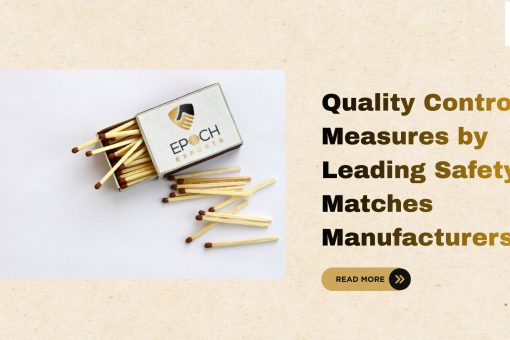
Quality Control Measures by Leading Safety Matches Manufacturers

Introduction
Safety matches manufacturers face stringent regulations and standards to ensure both product safety and reliability. Safety matches, being essential household items, must perform under various conditions without posing fire hazards. To meet these demands, safety matches manufacturers implement rigorous quality control processes that not only enhance product performance but also guarantee customer satisfaction. This article will delve into the critical quality control measures adopted by top manufacturers in the safety matches export industry.
1. Raw Material Selection and Inspection
A key factor in producing high-quality safety matches lies in the careful selection of raw materials. The wood, chemicals, and striking surfaces used by safety matches manufacturers must adhere to strict industry standards. For instance, wood such as aspen and poplar, selected for durability and burning properties, undergoes thorough inspection to ensure uniformity. This meticulous process guarantees that the safety matches produced meet the quality expectations for both domestic and safety matches export markets.
2. Moisture Control
Maintaining the correct moisture level is critical in safety matches manufacturing. Manufacturers employ precise drying processes to ensure that both wood and chemicals retain the ideal moisture content. This step is essential to prevent issues during ignition, which is particularly important in safety matches export where products may encounter varying climate conditions.
3. Precision in Chemical Dipping and Coating
Safety matches manufacturers depend on advanced machinery for the chemical dipping process, which coats the match heads with the necessary compounds for ignition. Uniformity in this coating is essential for the safety matches to ignite safely and consistently. As these products are often exported worldwide, especially to regions with varying climates, strict attention to detail ensures that safety matches export clients receive products that perform under diverse conditions.
4. Friction Surface Quality Control
The friction surface is crucial for reliable ignition, and safety matches manufacturers pay close attention to the even application of the striking surface. Regular tests ensure the surface reacts correctly with the match head chemicals, ensuring that the matches work efficiently regardless of where they are used, be it for local consumption or safety matches export.
5. Burn Tests for Match Performance
Random burn tests are carried out by safety matches manufacturers to assess the performance of their products under different environmental conditions. These tests ensure that the matches ignite properly and provide a stable flame, a crucial factor for safety matches export clients who expect consistent quality. Safety matches that fail to meet these standards are discarded before reaching the market.
6. Packaging and Final Inspection
Effective packaging is crucial for preserving the quality of safety matches, particularly for safety matches export shipments. Proper sealing prevents moisture from damaging the matches during transport, ensuring that the product remains reliable upon reaching international customers. The final inspection by safety matches manufacturers ensures that every box meets the highest standards before it leaves the factory.
7. Compliance with Safety Standards and Regulations
To maintain their reputation as leading safety matches manufacturers, companies must comply with both local and international safety standards. Regular audits ensure adherence to chemical composition regulations, burn time requirements, and packaging safety. These measures are particularly important in the safety matches export industry, where non-compliance could result in product recalls or market restrictions.
Conclusion
Safety matches manufacturers employ comprehensive quality control systems to ensure that their products are safe, reliable, and compliant with industry standards. Whether intended for local markets or safety matches export, these stringent measures guarantee that consumers receive high-performing products. By prioritizing quality, manufacturers safeguard their reputation and deliver on their promise of safety and performance in every match. 

Posted by
Exports
Blogs Exports Safety Matches

7 Tactics for Achieving Success in Exports

In an increasingly globalized economy, manufacturers of wooden matches face both challenges and opportunities when it comes to exporting their products.

Success in international markets requires a strategic approach encompassing various facets of the export process.

In this article, we will explore seven tactics to help wooden match manufacturers and exporters achieve measurable results in the competitive world of international trade.
Thorough Market Research
Before diving into the export business, it is crucial to conduct comprehensive market research. Identify potential target markets for wooden matches by considering cultural preferences, market demand, and regulatory requirements. Analyze the competitive work to understand the strengths and weaknesses of existing players. Additionally, explore emerging trends in the wooden matches industry to stay ahead of the curve.

Quality Assurance and Compliance
Ensuring the quality and safety of wooden matches is paramount for success in international markets. Implement measurable quality control measures to meet international standards and regulations. Obtain necessary certifications and adhere to safety guidelines to build trust and connection with consumers and rules regulatory authorities. This enhances the manufacturer’s reputation and facilitates smooth entry into foreign markets.
Strategic Partnerships
Establishing strategic partnerships can significantly boost the success of wooden match exports. Collaborate with reliable distributors, agents, and retailers in the target markets to leverage their local expertise and networks. Build strong relationships with key business owners and stakeholders, such as shipping companies and customs brokers, to streamline the logistics and distribution process. These partnerships can provide valuable insights, enhance market penetration, and contribute to long-term success.
Customized Marketing Strategies
Tailor marketing strategies to suit the cultural nuances and preferences of the target markets. Create compelling promotional materials, packaging, and advertising campaigns that resonate with the local audience. Utilize online platforms such as social media and Google to reach a wider people and connect with like-minded customers. Investing in targeted marketing ensures that the wooden matches stand out in a crowded market, increasing the likelihood of success.
Adaptability and Innovation
The global market is dynamic and constantly evolving. Successful wooden matches exporters must be adaptable and innovative to stay ahead of the competition. Regularly update product offerings to align with changing consumer preferences. Embrace technological advancements in manufacturing processes, explore greener options, and survive the growing demand for sustainable products. Being proactive in adapting to market trends ensures continued relevance and success.
Financial Planning and Risk Management
Exporting involves financial complexities and potential risks. Develop a comprehensive working method, such as a financial plan that accounts for export-related expenses, currency fluctuations, and other financial considerations. Consider utilizing export credit insurance to mitigate the risks associated with non-payment or unforeseen events. A well-thought-out risk management strategy is essential for navigating the uncertainties of the international market and safeguarding the business’s financial health.

Exporting safety matches entails financial risks such as fluctuating exchange rates, potentially impacting profit margins. Currency devaluation can erode earnings when converted back to the exporter’s home currency. Economic instability in target markets may also affect consumer purchasing power, leading to decreased demand and revenue. Unforeseen geopolitical events, customs duties, and regulatory changes can contribute to uncertainties, impacting the financial viability of exports. Furthermore, delayed payments or defaults from international buyers pose a credit risk. Exporters often employ currency hedging, credit insurance, and thorough market research to mitigate these financial risks to make decisions and safeguard their economic interests.
Government Support and Incentives
Many governments offer support and incentives to encourage exports. Explore available programs, grants, and subsidies that can assist wooden match manufacturers and exporters. Engage with trade promotion agencies and chambers of commerce to access valuable resources, networking opportunities, and market intelligence. Taking advantage of government support can provide a competitive edge and ease the financial burden of entering new markets.
Conclusion
Success in exporting wooden matches requires a multifaceted approach combining market research, quality assurance, strategic partnerships, customized marketing, adaptability, financial planning, and government support.

By implementing these seven tactics, manufacturers and exporters can navigate the challenges of international trade and position themselves for sustainable success.

With careful planning and a commitment to excellence and by setting visions, wooden matches can find a global market eager for quality products.

Posted by