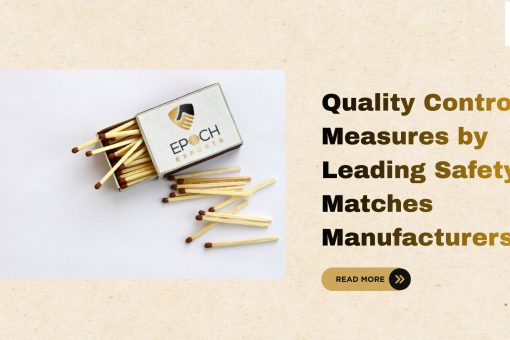
Tag: Safety Match Manufacturers

Safety Matches Manufacturers
Uncategorized

Quality Control Measures by Leading Safety Matches Manufacturers

Introduction
Safety matches manufacturers face stringent regulations and standards to ensure both product safety and reliability. Safety matches, being essential household items, must perform under various conditions without posing fire hazards. To meet these demands, safety matches manufacturers implement rigorous quality control processes that not only enhance product performance but also guarantee customer satisfaction. This article will delve into the critical quality control measures adopted by top manufacturers in the safety matches export industry.
1. Raw Material Selection and Inspection
A key factor in producing high-quality safety matches lies in the careful selection of raw materials. The wood, chemicals, and striking surfaces used by safety matches manufacturers must adhere to strict industry standards. For instance, wood such as aspen and poplar, selected for durability and burning properties, undergoes thorough inspection to ensure uniformity. This meticulous process guarantees that the safety matches produced meet the quality expectations for both domestic and safety matches export markets.
2. Moisture Control
Maintaining the correct moisture level is critical in safety matches manufacturing. Manufacturers employ precise drying processes to ensure that both wood and chemicals retain the ideal moisture content. This step is essential to prevent issues during ignition, which is particularly important in safety matches export where products may encounter varying climate conditions.
3. Precision in Chemical Dipping and Coating
Safety matches manufacturers depend on advanced machinery for the chemical dipping process, which coats the match heads with the necessary compounds for ignition. Uniformity in this coating is essential for the safety matches to ignite safely and consistently. As these products are often exported worldwide, especially to regions with varying climates, strict attention to detail ensures that safety matches export clients receive products that perform under diverse conditions.
4. Friction Surface Quality Control
The friction surface is crucial for reliable ignition, and safety matches manufacturers pay close attention to the even application of the striking surface. Regular tests ensure the surface reacts correctly with the match head chemicals, ensuring that the matches work efficiently regardless of where they are used, be it for local consumption or safety matches export.
5. Burn Tests for Match Performance
Random burn tests are carried out by safety matches manufacturers to assess the performance of their products under different environmental conditions. These tests ensure that the matches ignite properly and provide a stable flame, a crucial factor for safety matches export clients who expect consistent quality. Safety matches that fail to meet these standards are discarded before reaching the market.
6. Packaging and Final Inspection
Effective packaging is crucial for preserving the quality of safety matches, particularly for safety matches export shipments. Proper sealing prevents moisture from damaging the matches during transport, ensuring that the product remains reliable upon reaching international customers. The final inspection by safety matches manufacturers ensures that every box meets the highest standards before it leaves the factory.
7. Compliance with Safety Standards and Regulations
To maintain their reputation as leading safety matches manufacturers, companies must comply with both local and international safety standards. Regular audits ensure adherence to chemical composition regulations, burn time requirements, and packaging safety. These measures are particularly important in the safety matches export industry, where non-compliance could result in product recalls or market restrictions.
Conclusion
Safety matches manufacturers employ comprehensive quality control systems to ensure that their products are safe, reliable, and compliant with industry standards. Whether intended for local markets or safety matches export, these stringent measures guarantee that consumers receive high-performing products. By prioritizing quality, manufacturers safeguard their reputation and deliver on their promise of safety and performance in every match. 

Posted by
Manufacturer
Blogs Safety Matches

Top 6 Factors to Consider When Selecting a Manufacturer for your Products

Finding the proper manufacturer is essential for your business’s success in product manufacturing.

Whether you make safety matches or wooden matches, partnering with the proper manufacturer can significantly affect your venture’s quality, cost, and overall success.

With the market flooded with numerous options, it’s essential to carefully evaluate potential manufacturers before deciding.

Here are the top six factors to consider when selecting a manufacturer for your products
Quality Assurance and Compliance
The foremost consideration when choosing a manufacturer is ensuring they maintain high-quality assurance standards and comply with industry regulations. For safety matches manufacturers, adherence to safety standards and regulations is paramount to avoid potential hazards.

Similarly, ensuring the quality of materials used and compliance with the safety and environmental regulations is essential for wooden matches manufacturers

Look for manufacturers with certifications such as ISO, CE, or FDA compliance, demonstrating their commitment to quality and compliance.

Furthermore, consider the manufacturer’s approach to continuous improvement.

A proactive attitude towards enhancing quality and compliance indicates a commitment to long-term partnership and customer satisfaction. Inquire about their processes for identifying and addressing issues, implementing corrective actions, and incorporating feedback from clients.

When choosing a manufacturer, you should put quality assurance and compliance first to reduce risks, safeguard your brand’s reputation, and ensure that your goods are successful in the market.
Production Capacity and Scalability
Make sure the manufacturer can satisfy your expectations both now and in the future by evaluating their manufacturing capacity. Take into account elements like facility size, resource availability, and lead periods for manufacturing.

Additionally, inquire about their ability to scale production in response to increased demand or market fluctuations. A manufacturer with scalable production capabilities can provide flexibility and support your business growth without compromising on quality or delivery timelines.

Consider the infrastructure and technological investments made by the manufacturer to enable scalability. Automation, robots, and digital systems are examples of modern manufacturing techniques that may improve productivity and agility and enable quicker reaction times to shifting production requirements.

When choosing a manufacturer, it’s important to prioritize production capacity and scalability. This way, you can be confident that the company can satisfy your demands and be ready for future expansion and market prospects. This proactive strategy guarantees a steady and dependable supply chain for your goods while reducing risks.
Experience and Expertise
Choose a manufacturer with relevant experience and expertise in producing your specific product type. Whether it’s safety matches or wooden matches, partnering with a manufacturer who understands the intricacies of your product can lead to better outcomes.

Look for manufacturers with a proven record in your industry, with references or case studies to validate their expertise.

Consider whether the manufacturer specializes in specific product types, materials, or production techniques. Specialized expertise can lead to greater efficiency, precision, and innovation in product manufacturing.

Experienced manufacturers are more likely to anticipate challenges, offer valuable insights, and provide solutions to optimize production processes
Cost and Pricing Structure
While the cost shouldn’t be the sole determining factor, it’s essential to consider pricing competitiveness and overall cost-effectiveness when selecting a manufacturer. Evaluate the manufacturer’s pricing structure, including unit costs, minimum order quantities, and payment terms.

To be sure you’re getting the most return on your investment, ask for comprehensive quotes and compare them with other manufacturers.

Opting for the cheapest option may only sometimes result in the best quality or service, so prioritize value over solely focusing on cost savings.
Supply Chain Management
Strength in the supply chain is essential for ensuring smooth production and timely delivery of your products. Assess the manufacturer’s supply chain capabilities, including sourcing raw materials, inventory management, and logistics.

Clarity and communication are vital aspects to consider, as they directly impact the efficiency and reliability of the supply chain.

Ensure the manufacturer has established protocols for managing suppliers, mitigating risks, and addressing potential disruptions to minimize production delays or quality issues.
Communication and Collaboration
Know that communication always plays a significant role in any brand.

Collaborating and communicating effectively are crucial to developing a successful manufacturer relationship. Choose a manufacturer who values open communication, responsiveness, and collaboration throughout production.

Clear communication channels, regular updates, and a willingness to accommodate your specific requirements can streamline operations and enhance the overall experience.

Prioritize manufacturers who view the relationship as a partnership and are committed to understanding your needs and goals.
Conclusion
Choosing the best manufacturer for your goods is an important choice that will significantly affect how well your company does.

You may make an informed decision supporting your goals by considering supply chain management, communication, experience, manufacturing capacity, quality assurance, and cost-effectiveness.

Whether you’re looking for manufacturers of wooden matches or safety matches Products, doing your homework, research, and analysis can help you find the best partner to assist you in effectively launching your goods.

Posted by
Manufacturers
Blogs Safety Matches

5 Factors Manufacturers Should Consider When Choosing Suppliers

Safety matches have been essential for decades, providing a convenient and reliable method for igniting fires. For safety matchstick manufacturers, selecting suppliers is paramount to producing high-quality and safe products.

The choice of suppliers can significantly impact a manufacturer’s operations, product quality, and, ultimately, their reputation in the market.

In this article, let us explore five crucial factors that safety matches manufacturers should consider when choosing suppliers to optimize their supply chain and enhance overall business success.
Raw Material Quality and Compliance
The foundation of any safety matches production lies in the quality of raw materials. Manufacturers must ensure that the suppliers they choose provide consistent and high-quality inputs. In the case of safety matches, key components include the matchstick, matchbox, and the striking surface. Suppliers must look to strict quality standards and rules and regulations that guarantee the safety and reliability of the final product.

Safety matches manufacturers should conduct thorough audits of potential suppliers to assess their commitment to quality control. It is essential to verify whether suppliers comply with industry standards and regulations for safety matches production. Additionally, they should prioritize suppliers who source their raw materials responsibly, ensuring sustainable and environmentally friendly practices.
Reliability and Consistency
Reliability and consistency are essential factors in the supplier selection process. Manufacturers must be confident that their suppliers can deliver the required raw materials within specified timelines. A change in the supply chain may lead to production delays, affecting the overall efficiency and profitability of the safety matches manufacturing process.

To assess a supplier’s reliability, manufacturers can evaluate their track record, industry reputation, and production capacity. Communication is critical in establishing a transparent and dependable relationship. Regular updates on inventory levels, potential challenges, and changes in production schedules can help and plan effectively and mitigate risks associated with supply chain disruptions.
Cost Competitiveness and Value-Added Services
Cost competitiveness is a significant consideration for safety match manufacturers. While finding suppliers offering competitive prices for raw materials is essential, they should also evaluate the overall value provided. Some suppliers and exporters may offer additional services, such as timely delivery, bulk discounts, or customized packaging, contributing to cost savings, reliability and operational efficiency.

However, they should strike a balance between cost and quality. Opting for the cheapest supplier may compromise the quality of raw materials, leading to safety concerns and a tarnished reputation. Manufacturers should thoroughly analyze the total cost of ownership, factoring in quality, reliability, and any additional services the supplier provides.
Supply Chain Resilience and Contingency Planning
In an unpredictable global market, supply chain resilience is crucial for the success of safety match manufacturers. Disruptions such as natural disasters such as high rainfall, earthquakes, geopolitical events, or unexpected shifts in demand can impact the supply chain. Therefore, they should prioritize suppliers with robust contingency plans and the ability to adapt to unforeseen challenges.

When evaluating potential suppliers, manufacturers should inquire about their risk management strategies, backup production facilities, and inventory management practices. A supplier’s ability to navigate disruptions and maintain a consistent supply of raw materials during challenging times is a testament to their reliability and commitment to supporting their clients.
Compliance with Safety and Regulatory Standards
The safety matches industry is subject to stringent safety and regulatory standards to ensure consumer protection. The must choose suppliers fully compliant with these standards, guaranteeing that the raw materials provided meet the necessary safety requirements. Compliance with international safety standards is especially crucial for safety match manufacturers involved in global trade.

Before finalizing a partnership, manufacturers should verify that potential suppliers undergo regular safety audits and adhere to industry-specific certifications. This ensures the quality and safety of the raw materials and helps build trust with consumers and regulatory authorities.
Conclusion
Choosing the correct match box suppliers is a critical decision for safety match manufacturers, as it directly influences their products’ quality, safety, and success. By considering factors such as raw material quality, supplier reliability, cost competitiveness, supply chain resilience, and compliance with safety standards can establish robust partnerships that contribute to their operations’ overall efficiency and sustainability.

Safety matches manufacturers play a vital role in providing a product that is convenient and safe for consumers.

Through careful supplier selection, manufacturers can uphold the integrity of their brand, meet regulatory requirements, and contribute to the satisfaction and safety of their customers.


Posted by