The Safety Matches Manufacturer and Supply Chain in India
Introduction
Lighting the Way Forward in Global Trade
In today’s global market, safety and reliability are paramount especially when it comes to everyday essentials like safety matches. These simple yet vital tools are used across the globe in homes, restaurants, religious places, and industries. Behind the scenes, a complex manufacturing process and a robust supply chain ensure that each matchstick is produced to the highest standard and reaches customers on time.
Among the numerous players in this industry, Epoch Exports has emerged as a leading matchbox company in India for Safety Matches Exporters, setting benchmarks in quality, sustainability, and global reach. This article explores how Epoch Exports is redefining the standards in the safety matches industry through its cutting-edge manufacturing capabilities and an efficient supply chain.
The Importance of a Strong Safety Matches Manufacturer Backbone
The success of any safety matches manufacturer lies in its ability to deliver consistent quality at scale. With flammable materials and fine-tuned chemical compositions involved, precision and safety cannot be compromised.
Epoch Exports is the best manufacturer of safety matches that operates state-of-the-art manufacturing facilities in India—one of the world’s leading hubs for safety match production. The company uses premium raw materials, including treated softwood splints, durable matchboxes, and phosphorus-based striking surfaces. These materials are sourced ethically and processed with extreme care to ensure durability and ignition efficiency.
Moreover, Epoch Exports is one of the matchstick manufacturing companies committed to environmentally responsible production practices. With the increasing demand for eco-friendly products, the company has taken significant steps to reduce its carbon footprint by incorporating sustainable practices, including:
Use of recycled and biodegradable packaging materials
Waste management systems within the factory
Energy-efficient production lines
This commitment places them at the forefront among safety matches manufacturers in India, catering to a growing segment of conscious consumers and businesses worldwide.
Excellence in Customization and Product Range
Epoch Exports provides a diverse range of Safety Matches designed to cater to the varied requirements of clients worldwide. From wax safety matches for humid climates to household and kitchen matches, the company’s portfolio is designed for flexibility. Some of the popular categories include:
Wooden Matches – Wooden matchbox manufacturer in India based in Kovilpatti, We provide a variety of wooden matchbox sizes and matchstick lengths, with customization available to meet specific customer requirements for packaging, stick size, and branding. Our available sizes range from 51 x 35 x 13 millimetres to 48 x 35 x 12 millimetres.
Wax Matches – Safety Wax Matches delivers moisture-resistant wax matches ideal for household, commercial, and emergency use, with customization options available to meet specific branding, packaging, and matchstick requirements. We offer various box sizes, including 40 x 33 x 12 mm, 43 x 30 x 10 mm, and 53 x 37 x 11 mm. We are also excelling as a leading wax safety matches exporter in India.
Kitchen Matches – Kitchen Safety Matches Manufacturer, we deliver high-quality products and safe performance every time. For kitchen matches, our size range includes 118 x 65 x 25 mm, 84 x 50 x 28 mm, and 71 x 53 x 25 mm. We are also excelling as a leading exporter and kitchen safety matches manufacturer.
This customization not only supports brand visibility but also ensures compliance with various regional regulations and customer preferences.
Why Epoch Exports Leads the Industry
With decades of experience, Epoch Exports is more than just a safety matches manufacturer and exporter—they are a trusted partner for global businesses. Here’s what sets them apart:
Bulk safety matches manufacturer :
As a leading bulk safety matches manufacturer, we specialize in large-scale production to meet domestic and international demand. Our facility has a daily manufacturing capacity of 500,000 to 1,000,000 matchboxes, ensuring timely supply for wholesale, retail, and export needs.
We offer a wide range of packaging options, including:
Bundles of 10, 12, or 15 boxes
Cartons of 100, 120, 144, or custom quantities
Shrink-wrapped packs for added protection
Custom packaging available for private labels and brandingOur focus on consistent quality, moisture-resistant performance, and reliable delivery makes us a preferred supplier in the safety matches industry.
Uncompromised Quality Control :
Every batch is subjected to stringent quality testing to ensure compliance with international safety standards. This ensures reduced breakage, consistent burning and minimal moisture absorption.
Competitive Pricing for Bulk Orders :
Thanks to their scalable infrastructure, Epoch Exports offers highly competitive prices for bulk and wholesale orders like matchsticks and matchbox exporters in India without compromising on quality.
Strong Customer Support :
From pre-order consultations to post-shipment follow-ups, Epoch Exports provides end-to-end customer support, which is rare in the safety matches manufacturing space.
Trusted Global Partnerships :
Over the years, Epoch Exports has built long-standing relationships with distributors, wholesalers, and private label brands. Their transparency, ethical practices, and commitment to excellence keep their clients coming back.
Certifications and Compliance :
As a credible safety matches supplier, the company holds relevant industry certifications that guarantee product safety, factory conditions, and export documentation standards.
Building a Robust Global Supply Chain
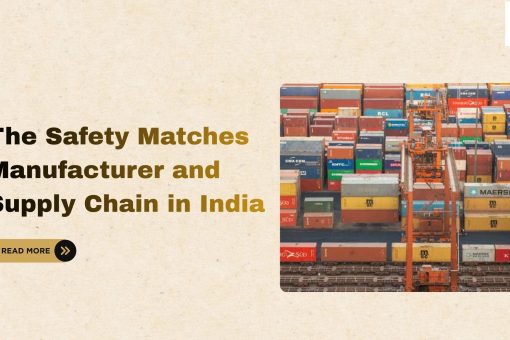
The real strength of Epoch Exports lies not just in manufacturing excellence but in its seamless end-to-end supply chain management. Operating in more than 25 countries across Africa, the Middle East, Asia, and parts of Europe as a bulk safety matches exporter, the company ensures timely deliveries, regardless of location.
Their logistics capabilities include:
Strong coordination with shipping partners
On-time dispatch and tracking systems
Warehouse support for bulk exports
Real-time client communication and documentation
As a top bulk safety matches exporter, the company has earned a reputation for hassle-free international trade, compliant documentation, and transparent processes.
Driving the Future of Safety Matches Export
In a market that is increasingly driven by safety standards, ecological responsibility, and timely delivery, Epoch Exports has become a benchmark in the safety matches manufacturers and supply chain network.
From raw material procurement to doorstep delivery, every step in Epoch Exports’ journey is engineered for excellence. Whether you’re a local distributor, a multinational brand, or a private-label entrepreneur, partnering with Epoch Exports ensures you get top-quality products backed by a dependable supply chain.
Conclusion
The global demand for quality safety matches continues to rise, and businesses across industries need reliable manufacturers who understand the intricacies of production and logistics. Epoch Exports meets—and exceeds—these expectations. Their dedication to quality, innovation, and customer satisfaction places them at the forefront of the safety matches industry.
If you’re looking for a safety matches manufacturer in India or a wholesale safety matches supplier capable of handling bulk orders with efficiency and professionalism, Epoch Exports is your ideal partner.
Partner with Epoch Exports, where quality meets reliability, and every match sparks trust. Visit us at Epoch Exports and mail us at epochexports@gmail.com