Category: Safety Matches

Safety Matches
Blogs Safety Matches

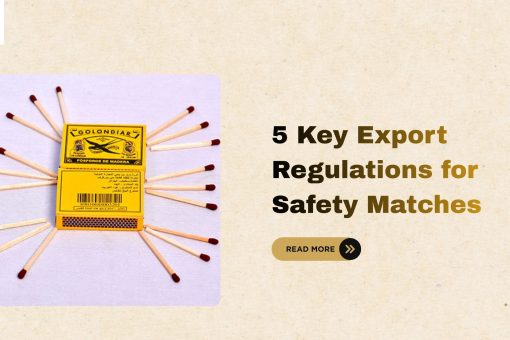
5 Key Export Regulations for Safety Matches

In international trade, seemingly safety matches present formidable challenges due to their flammable nature and inherent safety risks. This blog aims to bring the export regulations governing safety matches. Exploring the various aspects of the export regulations, it delves into product safety standards, labeling requirements, packaging specifications, transportation protocols, and customs formalities.

The objective is to provide a comprehensive overview of the regulatory landscape, highlighting the complexities exporters face when navigating global markets. By understanding these regulations, stakeholders can mitigate risks, ensure compliance, and facilitate smooth cross-border movement of safety matches.

This blog will serve as a valuable resource for exporters, importers, regulatory authorities, and other interested parties seeking to navigate the intricacies of the safety match export industry.
The Importance of Export Regulations on Safety Matches
Export regulations for safety matches ensure product safety, quality, and compliance with international standards. They prevent the export of substandard or hazardous products, protect consumers, and facilitate smoother transactions.

Regulations promote fair competition and sustainable practices, improving the exporters’ reputation and reliability. Compliance is vital for maintaining the integrity and safety of safety matches globally.
5 Primary Regulations for Exporting the Safety Matches
Exporting safety matches involves navigating a complex web of regulations to ensure the product’s safety, quality, and compliance in international markets from the reputed Safety matches manufacturer, which are familiar for their reliable ignition and improved safety features, are subject to strict guidelines that exporters must adhere to. Here are five key export regulations for safety matches that every exporter should know.
Product Safety and Quality Standards
Ensuring that safety matches meet international safety and quality standards is paramount. To be considered safe, different countries have specific requirements that safety matches must comply with. Exporters must conduct rigorous testing and quality assurance to ensure their matches meet these standards. This may involve laboratory testing for chemical composition, ignition properties, and resistance to accidental ignition.
Packaging and Labeling Requirements
Packaging and labelling are crucial aspects of exporting safety matches, as they directly affect the product’s safety during transportation and storage. Regulations often specify the following:

Material and Design: Safety Matches Manufacturers should ensure that the Packaging materials must be durable and designed to prevent accidental ignition. This includes using materials resistant to moisture, impact, and friction.

Labelling Information: Labels must provide essential information, such as the manufacturer’s name, product type, batch number, and safety instructions. Some countries may also require labels to be in different languages to cater to different markets.
Hazardous Materials Regulations
Safety matches are classified as hazardous materials due to their potential to ignite. As such, their export is subject to hazardous materials regulations, which include:

Transportation Regulations: The International Maritime Dangerous Goods Code and International Air Transport Association Dangerous Goods Regulations do provide guidelines for safely transporting hazardous materials by sea and air, respectively. These regulations cover packaging, labelling, documentation, and handling procedures.

Storage and Handling: Exporters must adhere to specific storage and handling protocols to prevent accidental ignition and ensure the safety of personnel. This also includes maintaining proper temperature and humidity levels and ensuring proper ventilation.
Compliance with these regulations is important to prevent accidents and ensure the safe delivery of safety matches to their destination.
Customs and Import Regulations
Navigating customs and import regulations is a critical step in the export process of safety matches. Each country has its own set of customs regulations that exporters must comply with, including:

Documentation Requirements: Proper documentation is essential for customs clearance. This typically includes a commercial invoice, packing list, bill of lading, certificate of origin, and any other documents the importing country requires. Safety Matches Exporters must ensure all records are accurate and complete to avoid delays and additional costs.

Additionally, some countries may have specific import restrictions or bans on safety matches, making it crucial for exporters to research and understand the regulations of the target market.
Environmental and Sustainability Regulations
Increasingly, countries are implementing environmental and sustainability regulations that impact the export of safety matches. These regulations aim to reduce the ecological impact of manufacturing and exporting processes. Key considerations include:

Eco-friendly Materials: Many countries require sustainable and biodegradable materials in match production and packaging. Exporters must source eco-friendly raw materials and adopt sustainable manufacturing practices to comply with these regulations.

Waste Management: Proper disposal of manufacturing waste and used matches are other important aspects. Exporters may need to implement waste management systems that minimize environmental impact and comply with local regulations.

Carbon Footprint: Some countries are introducing regulations to limit the carbon footprint of imported goods. Exporters may need to calculate and disclose the carbon emissions associated with their products and take steps to reduce them.

By adhering to environmental and sustainability regulations, exporters comply with legal requirements, appeal to eco-conscious consumers, and enhance their brand reputation.
Conclusion
Exporting safety matches and requires compliance with product safety, packaging, hazardous materials handling, customs, and environmental regulations. Prioritizing safety, quality, and sustainability is crucial for successful exports. Understanding and adhering to these regulations will contribute to long-term success in the safety matches industry.

Epoch Exports the most renowned safety match exporters in India, successfully exports to Africa, Greece, Yemen, Latin America, Europe, and the Middle East. We are consistently delivering high quality products, with wide varieties such as Wooden Safety Matches, Wax Safety Matches, and Kitchen Safety Matches, which meet customer requirements and industry standards, ensuring the best quality with the correct time of delivery, making us the best manufacturer of safety matches in India.

Posted by
Safety Matches Suppliers
Blogs Safety Matches

7 Cost Effective Packaging Solutions for Safety Match Suppliers

Packaging is essential in the safety matches business because it guarantees that goods arrive at consumers’ locations undamaged and functions as an effective marketing tool.

Safety matches suppliers constantly seek cost-effective packaging solutions that balance product protection, branding, and environmental sustainability.

In this article let’s look into seven such solutions that safety matches suppliers can consider to optimize their packaging strategies and meet consumer expectations
Cardboard Matchboxes
The safety match industry relies heavily on cardboard matchboxes because of their price and adaptability. These boxes are a valuable marketing tool since they are simple to modify with branding and design. Additionally, cardboard is a lightweight material, which can help reduce shipping costs.

The recyclability of cardboard also appeals to environmentally conscious consumers, adding to the appeal of this packaging option. Overall, cardboard matchboxes offer a cost-effective solution for safety matches suppliers looking to package their products securely while maintaining a solid brand presence
Paperboard Sleeves
Paperboard sleeves provide additional protection for safety matches while offering a cost-effective packaging solution. These sleeves can be customized with printing, allowing safety matches suppliers to incorporate branding and design elements.

Paperboard sleeves are recyclable, as some may have coatings or laminations that hinder recyclability. Their lightweight nature makes them ideal for reducing shipping costs. Paperboard sleeves are an excellent choice for safety matches suppliers looking for a budget-friendly, eco-friendly packaging option.
Shrink Wrap Packaging
Shrink wrap packaging is a cost-effective way to package safety matches securely. The shrink wrap provides a tight seal around the matches, protecting them from moisture and damage. This type of packaging is also tamper-evident, providing added security for customers.

Shrink wrap packaging is a practical choice for safety matches providers since it is lightweight and easy to apply. It is also a reasonably priced way to package safety matches, even if it’s less green than other methods. Biodegradable shrink-wrap options are available but may be less common and potentially more expensive.
Bulk Packaging
Safety match providers can save money using bulk packaging when selling in bulk. Safety matches suppliers can save money by grouping matches into a single container, like a cardboard box or plastic bag, rather than requiring separate packaging.

This helps save on material costs and reduce labour costs associated with packaging. Bulk packaging is a practical choice for safety matches suppliers looking to minimize costs while providing customers a convenient way to purchase matches in bulk.
Plastic Matchboxes
Plastic matchboxes are a durable and cost-effective packaging option for matchbox suppliers. While not as environmentally friendly as other options, plastic matchboxes are reusable, making them a practical choice for customers.

These matchboxes can be customized with branding and design elements, enhancing their marketing potential. Plastic matchboxes are also lightweight, which can help reduce shipping costs. Plastic matchboxes are worth considering for safety matches suppliers looking for a budget friendly and durable packaging solution.
Biodegradable Packaging
Biodegradable packaging offers a sustainable and cost effective option for safety matches suppliers. Made from materials that break down naturally over time, such as cornstarch or sugarcane fibres, it appeals to environmentally conscious consumers.

While slightly more expensive than traditional packaging options, biodegradable packaging can help safety match suppliers differentiate their products. Safety matches suppliers can lessen their environmental effects and give clients a sustainable packaging alternative by selecting biodegradable packaging.
Reusable Tin Containers
Reusable tin containers offer an economical and environmentally responsible packaging option for safety matches suppliers. Customers can keep these sturdy containers to hold little items like matches. Tin containers are a valuable marketing tool since they can be personalized with logos and other design components.

Reusable tin containers are marginally more costly than alternative packaging choices, but they provide long-term benefits for safety match providers and buyers. By using recyclable tin containers, safety matches suppliers can lessen their environmental impact and give clients useful and environmentally friendly packaging choices. Also, tin containers may have a higher initial cost, their reusability can lead to long-term cost savings and environmental benefits, making them a sustainable choice in the long run.
Conclusion
Suppliers of safety matches items offer a variety of affordable packaging options to safeguard their goods, improve their reputation as a brand, and win over ecologically conscientious customers.

Whether opting for cardboard matchboxes, paperboard sleeves, shrink wrap packaging, bulk packaging, plastic matchboxes, biodegradable packaging, or reusable tin containers, each option offers unique benefits that can help suppliers achieve their packaging goals.

By carefully considering these packaging solutions and their suitability for their products and target market, safety match suppliers can ensure that their products are well-protected during transit and contribute to a more sustainable future.

Looking for the best safety matches suppliers? Epoch Exports is the right place!

Posted by
Manufacturer
Blogs Safety Matches

Top 6 Factors to Consider When Selecting a Manufacturer for your Products

Finding the proper manufacturer is essential for your business’s success in product manufacturing.

Whether you make safety matches or wooden matches, partnering with the proper manufacturer can significantly affect your venture’s quality, cost, and overall success.

With the market flooded with numerous options, it’s essential to carefully evaluate potential manufacturers before deciding.

Here are the top six factors to consider when selecting a manufacturer for your products
Quality Assurance and Compliance
The foremost consideration when choosing a manufacturer is ensuring they maintain high-quality assurance standards and comply with industry regulations. For safety matches manufacturers, adherence to safety standards and regulations is paramount to avoid potential hazards.

Similarly, ensuring the quality of materials used and compliance with the safety and environmental regulations is essential for wooden matches manufacturers

Look for manufacturers with certifications such as ISO, CE, or FDA compliance, demonstrating their commitment to quality and compliance.

Furthermore, consider the manufacturer’s approach to continuous improvement.

A proactive attitude towards enhancing quality and compliance indicates a commitment to long-term partnership and customer satisfaction. Inquire about their processes for identifying and addressing issues, implementing corrective actions, and incorporating feedback from clients.

When choosing a manufacturer, you should put quality assurance and compliance first to reduce risks, safeguard your brand’s reputation, and ensure that your goods are successful in the market.
Production Capacity and Scalability
Make sure the manufacturer can satisfy your expectations both now and in the future by evaluating their manufacturing capacity. Take into account elements like facility size, resource availability, and lead periods for manufacturing.

Additionally, inquire about their ability to scale production in response to increased demand or market fluctuations. A manufacturer with scalable production capabilities can provide flexibility and support your business growth without compromising on quality or delivery timelines.

Consider the infrastructure and technological investments made by the manufacturer to enable scalability. Automation, robots, and digital systems are examples of modern manufacturing techniques that may improve productivity and agility and enable quicker reaction times to shifting production requirements.

When choosing a manufacturer, it’s important to prioritize production capacity and scalability. This way, you can be confident that the company can satisfy your demands and be ready for future expansion and market prospects. This proactive strategy guarantees a steady and dependable supply chain for your goods while reducing risks.
Experience and Expertise
Choose a manufacturer with relevant experience and expertise in producing your specific product type. Whether it’s safety matches or wooden matches, partnering with a manufacturer who understands the intricacies of your product can lead to better outcomes.

Look for manufacturers with a proven record in your industry, with references or case studies to validate their expertise.

Consider whether the manufacturer specializes in specific product types, materials, or production techniques. Specialized expertise can lead to greater efficiency, precision, and innovation in product manufacturing.

Experienced manufacturers are more likely to anticipate challenges, offer valuable insights, and provide solutions to optimize production processes
Cost and Pricing Structure
While the cost shouldn’t be the sole determining factor, it’s essential to consider pricing competitiveness and overall cost-effectiveness when selecting a manufacturer. Evaluate the manufacturer’s pricing structure, including unit costs, minimum order quantities, and payment terms.

To be sure you’re getting the most return on your investment, ask for comprehensive quotes and compare them with other manufacturers.

Opting for the cheapest option may only sometimes result in the best quality or service, so prioritize value over solely focusing on cost savings.
Supply Chain Management
Strength in the supply chain is essential for ensuring smooth production and timely delivery of your products. Assess the manufacturer’s supply chain capabilities, including sourcing raw materials, inventory management, and logistics.

Clarity and communication are vital aspects to consider, as they directly impact the efficiency and reliability of the supply chain.

Ensure the manufacturer has established protocols for managing suppliers, mitigating risks, and addressing potential disruptions to minimize production delays or quality issues.
Communication and Collaboration
Know that communication always plays a significant role in any brand.

Collaborating and communicating effectively are crucial to developing a successful manufacturer relationship. Choose a manufacturer who values open communication, responsiveness, and collaboration throughout production.

Clear communication channels, regular updates, and a willingness to accommodate your specific requirements can streamline operations and enhance the overall experience.

Prioritize manufacturers who view the relationship as a partnership and are committed to understanding your needs and goals.
Conclusion
Choosing the best manufacturer for your goods is an important choice that will significantly affect how well your company does.

You may make an informed decision supporting your goals by considering supply chain management, communication, experience, manufacturing capacity, quality assurance, and cost-effectiveness.

Whether you’re looking for manufacturers of wooden matches or safety matches Products, doing your homework, research, and analysis can help you find the best partner to assist you in effectively launching your goods.

Posted by
Exports
Blogs Exports Safety Matches

7 Tactics for Achieving Success in Exports

In an increasingly globalized economy, manufacturers of wooden matches face both challenges and opportunities when it comes to exporting their products.

Success in international markets requires a strategic approach encompassing various facets of the export process.

In this article, we will explore seven tactics to help wooden match manufacturers and exporters achieve measurable results in the competitive world of international trade.
Thorough Market Research
Before diving into the export business, it is crucial to conduct comprehensive market research. Identify potential target markets for wooden matches by considering cultural preferences, market demand, and regulatory requirements. Analyze the competitive work to understand the strengths and weaknesses of existing players. Additionally, explore emerging trends in the wooden matches industry to stay ahead of the curve.

Quality Assurance and Compliance
Ensuring the quality and safety of wooden matches is paramount for success in international markets. Implement measurable quality control measures to meet international standards and regulations. Obtain necessary certifications and adhere to safety guidelines to build trust and connection with consumers and rules regulatory authorities. This enhances the manufacturer’s reputation and facilitates smooth entry into foreign markets.
Strategic Partnerships
Establishing strategic partnerships can significantly boost the success of wooden match exports. Collaborate with reliable distributors, agents, and retailers in the target markets to leverage their local expertise and networks. Build strong relationships with key business owners and stakeholders, such as shipping companies and customs brokers, to streamline the logistics and distribution process. These partnerships can provide valuable insights, enhance market penetration, and contribute to long-term success.
Customized Marketing Strategies
Tailor marketing strategies to suit the cultural nuances and preferences of the target markets. Create compelling promotional materials, packaging, and advertising campaigns that resonate with the local audience. Utilize online platforms such as social media and Google to reach a wider people and connect with like-minded customers. Investing in targeted marketing ensures that the wooden matches stand out in a crowded market, increasing the likelihood of success.
Adaptability and Innovation
The global market is dynamic and constantly evolving. Successful wooden matches exporters must be adaptable and innovative to stay ahead of the competition. Regularly update product offerings to align with changing consumer preferences. Embrace technological advancements in manufacturing processes, explore greener options, and survive the growing demand for sustainable products. Being proactive in adapting to market trends ensures continued relevance and success.
Financial Planning and Risk Management
Exporting involves financial complexities and potential risks. Develop a comprehensive working method, such as a financial plan that accounts for export-related expenses, currency fluctuations, and other financial considerations. Consider utilizing export credit insurance to mitigate the risks associated with non-payment or unforeseen events. A well-thought-out risk management strategy is essential for navigating the uncertainties of the international market and safeguarding the business’s financial health.

Exporting safety matches entails financial risks such as fluctuating exchange rates, potentially impacting profit margins. Currency devaluation can erode earnings when converted back to the exporter’s home currency. Economic instability in target markets may also affect consumer purchasing power, leading to decreased demand and revenue. Unforeseen geopolitical events, customs duties, and regulatory changes can contribute to uncertainties, impacting the financial viability of exports. Furthermore, delayed payments or defaults from international buyers pose a credit risk. Exporters often employ currency hedging, credit insurance, and thorough market research to mitigate these financial risks to make decisions and safeguard their economic interests.
Government Support and Incentives
Many governments offer support and incentives to encourage exports. Explore available programs, grants, and subsidies that can assist wooden match manufacturers and exporters. Engage with trade promotion agencies and chambers of commerce to access valuable resources, networking opportunities, and market intelligence. Taking advantage of government support can provide a competitive edge and ease the financial burden of entering new markets.
Conclusion
Success in exporting wooden matches requires a multifaceted approach combining market research, quality assurance, strategic partnerships, customized marketing, adaptability, financial planning, and government support.

By implementing these seven tactics, manufacturers and exporters can navigate the challenges of international trade and position themselves for sustainable success.

With careful planning and a commitment to excellence and by setting visions, wooden matches can find a global market eager for quality products.

Posted by
Manufacturers
Blogs Safety Matches

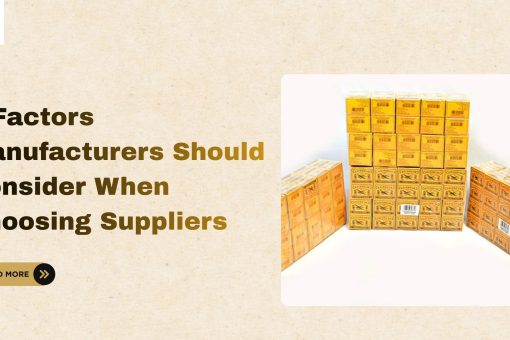
5 Factors Manufacturers Should Consider When Choosing Suppliers

Safety matches have been essential for decades, providing a convenient and reliable method for igniting fires. For safety matchstick manufacturers, selecting suppliers is paramount to producing high-quality and safe products.

The choice of suppliers can significantly impact a manufacturer’s operations, product quality, and, ultimately, their reputation in the market.

In this article, let us explore five crucial factors that safety matches manufacturers should consider when choosing suppliers to optimize their supply chain and enhance overall business success.
Raw Material Quality and Compliance
The foundation of any safety matches production lies in the quality of raw materials. Manufacturers must ensure that the suppliers they choose provide consistent and high-quality inputs. In the case of safety matches, key components include the matchstick, matchbox, and the striking surface. Suppliers must look to strict quality standards and rules and regulations that guarantee the safety and reliability of the final product.

Safety matches manufacturers should conduct thorough audits of potential suppliers to assess their commitment to quality control. It is essential to verify whether suppliers comply with industry standards and regulations for safety matches production. Additionally, they should prioritize suppliers who source their raw materials responsibly, ensuring sustainable and environmentally friendly practices.
Reliability and Consistency
Reliability and consistency are essential factors in the supplier selection process. Manufacturers must be confident that their suppliers can deliver the required raw materials within specified timelines. A change in the supply chain may lead to production delays, affecting the overall efficiency and profitability of the safety matches manufacturing process.

To assess a supplier’s reliability, manufacturers can evaluate their track record, industry reputation, and production capacity. Communication is critical in establishing a transparent and dependable relationship. Regular updates on inventory levels, potential challenges, and changes in production schedules can help and plan effectively and mitigate risks associated with supply chain disruptions.
Cost Competitiveness and Value-Added Services
Cost competitiveness is a significant consideration for safety match manufacturers. While finding suppliers offering competitive prices for raw materials is essential, they should also evaluate the overall value provided. Some suppliers and exporters may offer additional services, such as timely delivery, bulk discounts, or customized packaging, contributing to cost savings, reliability and operational efficiency.

However, they should strike a balance between cost and quality. Opting for the cheapest supplier may compromise the quality of raw materials, leading to safety concerns and a tarnished reputation. Manufacturers should thoroughly analyze the total cost of ownership, factoring in quality, reliability, and any additional services the supplier provides.
Supply Chain Resilience and Contingency Planning
In an unpredictable global market, supply chain resilience is crucial for the success of safety match manufacturers. Disruptions such as natural disasters such as high rainfall, earthquakes, geopolitical events, or unexpected shifts in demand can impact the supply chain. Therefore, they should prioritize suppliers with robust contingency plans and the ability to adapt to unforeseen challenges.

When evaluating potential suppliers, manufacturers should inquire about their risk management strategies, backup production facilities, and inventory management practices. A supplier’s ability to navigate disruptions and maintain a consistent supply of raw materials during challenging times is a testament to their reliability and commitment to supporting their clients.
Compliance with Safety and Regulatory Standards
The safety matches industry is subject to stringent safety and regulatory standards to ensure consumer protection. The must choose suppliers fully compliant with these standards, guaranteeing that the raw materials provided meet the necessary safety requirements. Compliance with international safety standards is especially crucial for safety match manufacturers involved in global trade.

Before finalizing a partnership, manufacturers should verify that potential suppliers undergo regular safety audits and adhere to industry-specific certifications. This ensures the quality and safety of the raw materials and helps build trust with consumers and regulatory authorities.
Conclusion
Choosing the correct match box suppliers is a critical decision for safety match manufacturers, as it directly influences their products’ quality, safety, and success. By considering factors such as raw material quality, supplier reliability, cost competitiveness, supply chain resilience, and compliance with safety standards can establish robust partnerships that contribute to their operations’ overall efficiency and sustainability.

Safety matches manufacturers play a vital role in providing a product that is convenient and safe for consumers.

Through careful supplier selection, manufacturers can uphold the integrity of their brand, meet regulatory requirements, and contribute to the satisfaction and safety of their customers.


Posted by