Category: Blogs

Matchstick Production
Blogs

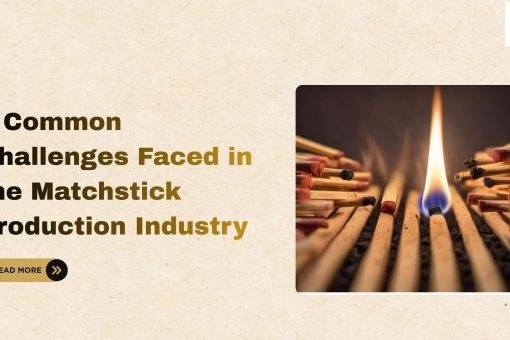
7 Common Challenges Faced in the Matchstick Production Industry

Matchsticks, particularly long matchsticks, have been an essential tool for lighting fires, candles, and stoves for centuries.

The matchstick production industry plays a crucial role in meeting the demand for these everyday items. However, like any other industry, matchstick manufacturing comes with its challenges.
What is Matchstick?
A matchstick is a little stick made of wood or cardboard with a special tip. This tip has chemicals that can catch fire when you rub it against something rough. When you strike the match against a surface, it makes heat, and that heat starts a tiny flame.
Brief overview of Matchstick Production Industry
So, a long time ago, people figured out how to make fire, but it was in the 1800s that the modern matchstick came into play. That’s when the matchstick production industry began to take shape.

Okay, let’s break down the process. First, they pick suitable wood, usually softwood like pine or spruce. Then, they cut and shape the wood into those familiar little sticks we all know.

Next, they dip the sticks into a mix of chemicals that help the matchstick light up. Afterwards, they let the sticks dry out to remove extra moisture.

The tip of the match, where the magic happens, gets formed by putting on a unique mixture of sulfur and potassium chlorate. This mixture is what makes the game ignite when you strike it.

Finally, the matchsticks get packed into those little boxes, sometimes with a rough surface for striking the match.
In this article, we will explore 7 common challenges faced
Raw Material Procurement
Matchstick production relies heavily on a consistent supply of raw materials, mainly wood and chemicals, for the match head and the striking surface. Wood, typically sourced from softwood trees like aspen or pine, is crucial for the matchstick’s body. However, fluctuations in timber prices and availability due to weather conditions, deforestation, and transportation costs can disrupt the supply chain.

Chemicals like potassium chlorate, sulfur, and phosphorus are essential for the matchhead’s composition. These chemicals are often sourced from different suppliers with pricing structures and quality standards. Matching the required specifications while maintaining cost-efficiency can be a logistical challenge.

The striking surface, usually made of red phosphorus and glass powder, is another critical component. Procuring red phosphorus, a highly regulated substance can be complex due to its restricted availability and cost variations.

To mitigate these challenges, matchstick manufacturers often contract with suppliers, stockpile raw materials to buffer against shortages, and explore alternative sourcing options. However, these strategies can add complexity and cost to the production process, highlighting the ongoing challenge of raw material procurement in the matchstick industry
Environmental Regulations
Matchstick production is subject to stringent environmental regulations due to the potential harm from chemicals used in the process. These regulations mandate the proper disposal of waste chemicals and emissions control to minimize ecological impact.

Compliance is particularly challenging for smaller manufacturers with limited resources, as they may need more infrastructure and expertise to meet these requirements.

Meeting environmental standards often necessitates investment in specialized equipment, such as effluent treatment plants and air pollution control systems. Additionally, manufacturers must implement stringent waste management practices and ensure proper handling and storage of chemicals to prevent leaks and spills.

There are severe repercussions for breaking environmental standards, such as fines, legal action, and reputational harm. Because of this, manufacturers have to invest a lot of time and money in ensuring compliance, which may affect their profitability and operational effectiveness.

To solve these issues, manufacturers may use sustainable methods, such as employing eco-friendly chemicals and streamlining manufacturing to reduce emissions and waste output. Working with trade groups and regulatory agencies may also be helpful in negotiating the many environmental regulations and guarantee compliance.
Safety Concerns
Safety is a significant concern in matchstick production due to flammable materials and chemicals. Manufacturers must ensure that their workers are properly trained in handling these materials and that safety protocols are strictly followed. Failure to do so can result in accidents and injuries.
Automation and Technology
As with many industries, matchstick production is becoming increasingly automated and reliant on technology. Manufacturers must invest in modern machinery and equipment to remain competitive. However, this can be costly, especially for smaller manufacturers who may need help to afford the latest technology.
Market Competition
The matchstick production industry is fiercely competitive, with numerous manufacturers striving to capture market share. To distinguish themselves, manufacturers must continually innovate and differentiate their products.

Competing against more significant, more well-known businesses that could have more resources available for marketing, and research and development makes this easier. Smaller manufacturers often face balancing innovation with cost-effectiveness, as introducing new features or materials can increase production costs.

However, innovation remains key to staying competitive and attracting consumers looking for unique or environmentally friendly matchstick options.
Labor Costs
Labor costs can be an important challenge for matchstick manufacturers, especially in regions where wages are high. Manufacturers must strike a balance between maintaining a skilled workforce and keeping labour costs under control. This can be challenging, especially for smaller manufacturers with limited resources.
Supply Chain Oversight
Effective supply chain management is crucial for matchstick manufacturers to ensure the timely delivery of raw materials and the distribution of finished products. Ineffective supply chain management can cause production and delivery delays, lowering profitability and customer satisfaction.

Conclusion

The matchstick production industry faces challenges, including raw material procurement, environmental regulations, and market competition.

These difficulties have yet to diminish the industry’s resiliency or capacity to prosper. Manufacturers have shown ingenuity in finding solutions to these problems by investing in environmentally friendly production practices to comply with regulations, entering into long-term contracts with suppliers to guarantee a consistent supply of raw materials, and innovating to differentiate their products in a competitive market.

By addressing these challenges head-on and continuing to innovate, the matchstick production industry can overcome obstacles and continue to meet the demand for this essential product.

Ultimately, the sector’s success can be attributed to the tenacity and flexibility of its producers, who have continuously raised their game to guarantee that matchsticks will always be accessible to consumers everywhere

FAQs

How do matchstick producers source raw materials?
Matchstick producers source raw materials such as wood, phosphorus, sulfur, and binder chemicals from suppliers. Sourcing sustainable and high-quality raw materials is crucial for the production process.
What measures are taken to ensure worker safety in matchstick production?
To ensure worker safety, matchstick production facilities implement safety protocols, provide proper training on handling chemicals and machinery, and equip workers with personal protective gear such as gloves and masks.
How do matchstick manufacturers navigate environmental regulations?
Matchstick manufacturers must comply with environmental regulations by implementing eco-friendly production practices, reducing emissions, and properly disposing of chemical waste. Some may also obtain certifications to demonstrate their commitment to sustainability.

How do matchstick producers maintain quality control in their production process?
Matchstick producers maintain quality control by conducting regular inspections, testing the flammability and durability of the matchsticks, and monitoring the production process to ensure consistency and adherence to standards.


Posted by epoch_newadmin
Manufacturer
Blogs Safety Matches

Top 6 Factors to Consider When Selecting a Manufacturer for your Products

Finding the proper manufacturer is essential for your business’s success in product manufacturing.

Whether you make safety matches or wooden matches, partnering with the proper manufacturer can significantly affect your venture’s quality, cost, and overall success.

With the market flooded with numerous options, it’s essential to carefully evaluate potential manufacturers before deciding.

Here are the top six factors to consider when selecting a manufacturer for your products
Quality Assurance and Compliance
The foremost consideration when choosing a manufacturer is ensuring they maintain high-quality assurance standards and comply with industry regulations. For safety matches manufacturers, adherence to safety standards and regulations is paramount to avoid potential hazards.

Similarly, ensuring the quality of materials used and compliance with the safety and environmental regulations is essential for wooden matches manufacturers

Look for manufacturers with certifications such as ISO, CE, or FDA compliance, demonstrating their commitment to quality and compliance.

Furthermore, consider the manufacturer’s approach to continuous improvement.

A proactive attitude towards enhancing quality and compliance indicates a commitment to long-term partnership and customer satisfaction. Inquire about their processes for identifying and addressing issues, implementing corrective actions, and incorporating feedback from clients.

When choosing a manufacturer, you should put quality assurance and compliance first to reduce risks, safeguard your brand’s reputation, and ensure that your goods are successful in the market.
Production Capacity and Scalability
Make sure the manufacturer can satisfy your expectations both now and in the future by evaluating their manufacturing capacity. Take into account elements like facility size, resource availability, and lead periods for manufacturing.

Additionally, inquire about their ability to scale production in response to increased demand or market fluctuations. A manufacturer with scalable production capabilities can provide flexibility and support your business growth without compromising on quality or delivery timelines.

Consider the infrastructure and technological investments made by the manufacturer to enable scalability. Automation, robots, and digital systems are examples of modern manufacturing techniques that may improve productivity and agility and enable quicker reaction times to shifting production requirements.

When choosing a manufacturer, it’s important to prioritize production capacity and scalability. This way, you can be confident that the company can satisfy your demands and be ready for future expansion and market prospects. This proactive strategy guarantees a steady and dependable supply chain for your goods while reducing risks.
Experience and Expertise
Choose a manufacturer with relevant experience and expertise in producing your specific product type. Whether it’s safety matches or wooden matches, partnering with a manufacturer who understands the intricacies of your product can lead to better outcomes.

Look for manufacturers with a proven record in your industry, with references or case studies to validate their expertise.

Consider whether the manufacturer specializes in specific product types, materials, or production techniques. Specialized expertise can lead to greater efficiency, precision, and innovation in product manufacturing.

Experienced manufacturers are more likely to anticipate challenges, offer valuable insights, and provide solutions to optimize production processes
Cost and Pricing Structure
While the cost shouldn’t be the sole determining factor, it’s essential to consider pricing competitiveness and overall cost-effectiveness when selecting a manufacturer. Evaluate the manufacturer’s pricing structure, including unit costs, minimum order quantities, and payment terms.

To be sure you’re getting the most return on your investment, ask for comprehensive quotes and compare them with other manufacturers.

Opting for the cheapest option may only sometimes result in the best quality or service, so prioritize value over solely focusing on cost savings.
Supply Chain Management
Strength in the supply chain is essential for ensuring smooth production and timely delivery of your products. Assess the manufacturer’s supply chain capabilities, including sourcing raw materials, inventory management, and logistics.

Clarity and communication are vital aspects to consider, as they directly impact the efficiency and reliability of the supply chain.

Ensure the manufacturer has established protocols for managing suppliers, mitigating risks, and addressing potential disruptions to minimize production delays or quality issues.
Communication and Collaboration
Know that communication always plays a significant role in any brand.

Collaborating and communicating effectively are crucial to developing a successful manufacturer relationship. Choose a manufacturer who values open communication, responsiveness, and collaboration throughout production.

Clear communication channels, regular updates, and a willingness to accommodate your specific requirements can streamline operations and enhance the overall experience.

Prioritize manufacturers who view the relationship as a partnership and are committed to understanding your needs and goals.
Conclusion
Choosing the best manufacturer for your goods is an important choice that will significantly affect how well your company does.

You may make an informed decision supporting your goals by considering supply chain management, communication, experience, manufacturing capacity, quality assurance, and cost-effectiveness.

Whether you’re looking for manufacturers of wooden matches or safety matches Products, doing your homework, research, and analysis can help you find the best partner to assist you in effectively launching your goods.

Posted by epoch_newadmin
Export
Blogs Exports

Avoid 5 Export Pitfalls for Smooth Dealings

The demand for wooden and wax matches remains significant in the global marketplace. Businesses seek to meet this requirement by frequently collaborating with exporters to guarantee a streamlined and effective flow of goods.

Nevertheless, maneuvering through the intricate dynamics of global commerce can present difficulties, and it is essential for established and emerging businesses alike to be knowledgeable about common obstacles.

This article will explore five common pitfalls to avoid when dealing with wooden matches exporters and wax matches exporters
Failure to Conduct Proper Investigation or Research
Engaging with exporters requires conducting thorough due diligence. This includes researching potential suppliers’ reputations, reliability, and compliance history.

Wooden matches and wax matches exporters ensuring that the supplier complies with international safety standards for manufacturing and packaging is crucial. You must research properly to avoid ending up with low-quality products, delays, or even legal problems.

To mitigate this risk, businesses should request references and certifications and conduct site visits. Additionally, using online platforms and industry forums to gather feedback and reviews from other companies can provide valuable insights into the exporter’s track record
Ignoring the Regulatory Compliance
Conducting the intricate network of international trade regulations is a significant challenge. Ignoring or overlooking regulatory compliance can result in customs clearance delays, fines, and damaged business relationships. Wooden matches exporters and wax matches must comply with specific safety and quality standards and must adhere to both the regulations of their own country and those of the importing country.

Businesses should stay informed about the regulatory requirements in exporting and importing countries. Seeking legal advice and partnering with exporters who are proactive in compliance matters can help mitigate the risk of regulatory pitfalls.
Inadequate Communication
Good communication is crucial for building strong international trade partnerships. Misunderstandings due to language barriers, cultural differences, or insufficient communication channels can lead to delays, disputes, and a breakdown in business relationships. When dealing with wooden matches and wax match clear communication is crucial to ensure product specifications, quality standards, and delivery timelines are clearly understood by both parties.

To avoid communication pitfalls, businesses should establish transparent communication channels, utilize professional translators when necessary, and document all agreements in writing. Regular updates and feedback sessions help you promptly address problems and maintain a healthy business relationship.
Overlooking Quality Assurance
The quality of wooden and wax matches is paramount, as these products involve flammable materials. Poor quality assurance measures can result in defective products, safety hazards, and damage to brand reputation. Exporters must adhere to stringent quality control processes throughout the manufacturing and packaging stages.

To mitigate the risk of quality-related pitfalls, businesses should request samples, conduct third-party quality inspections, and outline specific quality standards in their agreements . Regular monitoring and feedback on product quality can help you identify and address the issues before they escalate.
Neglecting Logistics and Shipping Considerations
Shipping challenges are common in international trade, and neglecting logistics considerations can lead to significant disruptions. Delays, damaged goods, and increased costs are potential pitfalls businesses may encounter when dealing with wooden and wax match exporters. It is essential to consider factors such as shipping routes, packaging, and incoterms to ensure a smooth logistics process.

To avoid logistics pitfalls, businesses should work closely with exporters to develop a comprehensive shipping plan. This plan should address shipping methods, timelines, and potential challenges such as customs procedures. Utilizing reliable shipping partners and staying informed about changes in international shipping regulations can contribute to a seamless logistics process.
Conclusion
Conducting the complexities of international trade when dealing with wooden matches and wax matches exporters requires careful consideration and proactive measures to avoid common pitfalls.

Businesses can mitigate risks and foster successful partnerships with exporters by conducting thorough due diligence, ensuring regulatory compliance, fostering effective communication, prioritizing quality assurance, and addressing logistics considerations.

Staying informed about industry trends, regulatory changes, and best practices in international trade is essential for businesses to adapt and thrive in the competitive global marketplace.

Posted by epoch_newadmin
Export
Blogs Exports

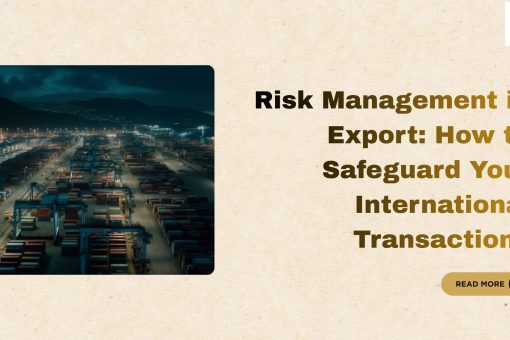
Risk Management in Export: How to Safeguard Your International Transactions

Exporting goods is a typical strategy companies use to reach a wider audience and access other markets in the modern, globalized economy.

However, with the opportunities come risks, and effective risk management is crucial for safeguarding your international transactions.

This is particularly true for industries such as the wooden matches sector, where precision and attention to detail are paramount.

In this article, we will look into the importance of risk management in export, focusing on the challenges that wooden matches and kitchen matches exporters face.
Understanding the Statistics
Before looking into risk management strategies, it’s essential to understand the landscape of international trade. According to recent statistics, global merchandise exports amounted to $18.89 trillion in 2021, showcasing the vast potential for businesses to tap into international markets.

However, this growth is accompanied by many risks, ranging from political instability and economic fluctuations to logistical challenges and cultural differences.

For wooden matches exporters ,the challenges may include compliance with stringent safety standards, variations in product regulations across countries, and fluctuations in raw material prices.

By recognizing these challenges, businesses can better prepare for the complexities of the global market.
Risk Identification and Assessment
The initial step in effective risk management is the identification and assessment of potential risks. wooden matches and kitchen matches exporters must thoroughly analyze their markets, considering political stability, economic conditions, and legal requirements.

For instance, understanding the regulatory environment for matches in different countries is crucial to ensuring compliance and avoiding costly legal issues.

Moreover, businesses should assess the financial stability of their international partners, as payment risks are a significant concern in export transactions. According to industry reports, late payments or non-payments can affect nearly 25% of international commerce.

Employing credit checks and insurance options can mitigate these risks and provide a safety connection 
Mitigation Strategies
Using efficient mitigation techniques is the next stage once hazards have been identified and evaluated. For wooden matches and kitchen matches exporters, diversification of markets and suppliers can be a powerful risk mitigation tool.

By spreading their operations across multiple regions and sources, businesses can minimize the impact of economic downturns, regulatory changes, or disruptions in the supply chain.

In addition, having a robust contractual framework is essential for risk management in export. Clear and comprehensive contracts that outline terms of payment, delivery, and quality standards can help mitigate disputes and provide a legal foundation for addressing potential issues.
Technology and Innovation in Risk Management
In the digital age, technological advancements offer new avenues for risk management in export. Studying data analytics and artificial intelligence can provide insights into market trends, helping businesses make informed decisions.

Moreover, digital platforms can streamline documentation processes, reducing the likelihood of errors and delays in international transactions.

Adopting technology for wooden matches and kitchen matches exporters can also enhance product traceability, ensuring compliance with quality standards.

Implementing quality manufacturing and packaging processes can build a reputation for reliability and quality assurance in the international market.
Currency Fluctuations and Hedging Strategies
One critical risk factor that wooden matches and kitchen matches exporters must address is currency fluctuations. The exchange rate volatility between the exporting country’s currency and the importing country can significantly impact profit margins and overall transaction costs. Sudden currency devaluations or appreciations can catch businesses off guard and erode anticipated revenues.

To mitigate the impact of currency fluctuations can employ hedging strategies. Forward contracts and currency options are standard tools that allow businesses to lock in exchange rates for future transactions, providing certainty in financial planning. By closely monitoring currency trends and implementing appropriate hedging mechanisms can shield themselves from the adverse effects of unpredictable currency movements, contributing to financial stability in their international transactions.
Environmental and Social Responsibility in Export
Environmental and social responsibility have become integral aspects of business operations, including wooden matches and kitchen matches exporters, are increasingly facing scrutiny in these areas. The global community’s growing awareness of environmental sustainability and ethical business practices means businesses must prioritize these considerations to mitigate reputational and operational risks.

Wooden matches exporters, for instance, may encounter challenges related to sustainable sourcing of raw materials and adherence to eco-friendly manufacturing processes. Kitchen matches exporters may face questions about fair labour practices in their production facilities. Ignoring these concerns can lead to negative publicity, regulatory interventions, and exclusion from specific markets.

Furthermore, staying informed about and complying with international standards and regulations related to environmental and social responsibility is crucial. Many countries and trading blocs have implemented stringent requirements to promote sustainability and ethical business conduct. Keeping abreast of these regulations and incorporating them into export practices can help wooden matches and kitchen matches exporters navigate the complexities of global trade seamlessly.
Conclusion
Effective risk management is indispensable for wooden matches and kitchen matches business seeking success in the global market.

By understanding the international trade landscape, identifying and assessing risks, implementing mitigation strategies, and embracing technology, businesses can safeguard their international transactions and look into the competitive export industry.

As the world continues to evolve, staying careful and adapting is critical to navigating the complexities of international trade.

By prioritizing risk management, businesses can build resilient supply chains, maintain positive relationships with international partners, and capitalize on the significant opportunities presented by the global marketplace.

Posted by epoch_newadmin