Category: Blogs

Safety Matches
Blogs Safety Matches

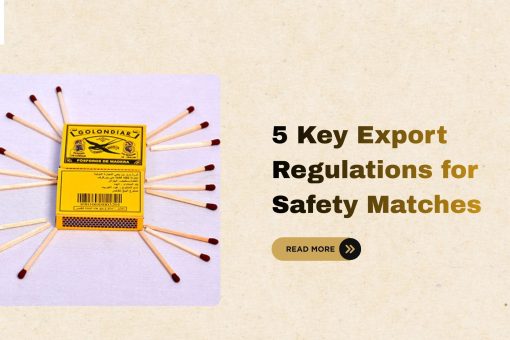
5 Key Export Regulations for Safety Matches

In international trade, seemingly safety matches present formidable challenges due to their flammable nature and inherent safety risks. This blog aims to bring the export regulations governing safety matches. Exploring the various aspects of the export regulations, it delves into product safety standards, labeling requirements, packaging specifications, transportation protocols, and customs formalities.

The objective is to provide a comprehensive overview of the regulatory landscape, highlighting the complexities exporters face when navigating global markets. By understanding these regulations, stakeholders can mitigate risks, ensure compliance, and facilitate smooth cross-border movement of safety matches.

This blog will serve as a valuable resource for exporters, importers, regulatory authorities, and other interested parties seeking to navigate the intricacies of the safety match export industry.
The Importance of Export Regulations on Safety Matches
Export regulations for safety matches ensure product safety, quality, and compliance with international standards. They prevent the export of substandard or hazardous products, protect consumers, and facilitate smoother transactions.

Regulations promote fair competition and sustainable practices, improving the exporters’ reputation and reliability. Compliance is vital for maintaining the integrity and safety of safety matches globally.
5 Primary Regulations for Exporting the Safety Matches
Exporting safety matches involves navigating a complex web of regulations to ensure the product’s safety, quality, and compliance in international markets from the reputed Safety matches manufacturer, which are familiar for their reliable ignition and improved safety features, are subject to strict guidelines that exporters must adhere to. Here are five key export regulations for safety matches that every exporter should know.
Product Safety and Quality Standards
Ensuring that safety matches meet international safety and quality standards is paramount. To be considered safe, different countries have specific requirements that safety matches must comply with. Exporters must conduct rigorous testing and quality assurance to ensure their matches meet these standards. This may involve laboratory testing for chemical composition, ignition properties, and resistance to accidental ignition.
Packaging and Labeling Requirements
Packaging and labelling are crucial aspects of exporting safety matches, as they directly affect the product’s safety during transportation and storage. Regulations often specify the following:

Material and Design: Safety Matches Manufacturers should ensure that the Packaging materials must be durable and designed to prevent accidental ignition. This includes using materials resistant to moisture, impact, and friction.

Labelling Information: Labels must provide essential information, such as the manufacturer’s name, product type, batch number, and safety instructions. Some countries may also require labels to be in different languages to cater to different markets.
Hazardous Materials Regulations
Safety matches are classified as hazardous materials due to their potential to ignite. As such, their export is subject to hazardous materials regulations, which include:

Transportation Regulations: The International Maritime Dangerous Goods Code and International Air Transport Association Dangerous Goods Regulations do provide guidelines for safely transporting hazardous materials by sea and air, respectively. These regulations cover packaging, labelling, documentation, and handling procedures.

Storage and Handling: Exporters must adhere to specific storage and handling protocols to prevent accidental ignition and ensure the safety of personnel. This also includes maintaining proper temperature and humidity levels and ensuring proper ventilation.
Compliance with these regulations is important to prevent accidents and ensure the safe delivery of safety matches to their destination.
Customs and Import Regulations
Navigating customs and import regulations is a critical step in the export process of safety matches. Each country has its own set of customs regulations that exporters must comply with, including:

Documentation Requirements: Proper documentation is essential for customs clearance. This typically includes a commercial invoice, packing list, bill of lading, certificate of origin, and any other documents the importing country requires. Safety Matches Exporters must ensure all records are accurate and complete to avoid delays and additional costs.

Additionally, some countries may have specific import restrictions or bans on safety matches, making it crucial for exporters to research and understand the regulations of the target market.
Environmental and Sustainability Regulations
Increasingly, countries are implementing environmental and sustainability regulations that impact the export of safety matches. These regulations aim to reduce the ecological impact of manufacturing and exporting processes. Key considerations include:

Eco-friendly Materials: Many countries require sustainable and biodegradable materials in match production and packaging. Exporters must source eco-friendly raw materials and adopt sustainable manufacturing practices to comply with these regulations.

Waste Management: Proper disposal of manufacturing waste and used matches are other important aspects. Exporters may need to implement waste management systems that minimize environmental impact and comply with local regulations.

Carbon Footprint: Some countries are introducing regulations to limit the carbon footprint of imported goods. Exporters may need to calculate and disclose the carbon emissions associated with their products and take steps to reduce them.

By adhering to environmental and sustainability regulations, exporters comply with legal requirements, appeal to eco-conscious consumers, and enhance their brand reputation.
Conclusion
Exporting safety matches and requires compliance with product safety, packaging, hazardous materials handling, customs, and environmental regulations. Prioritizing safety, quality, and sustainability is crucial for successful exports. Understanding and adhering to these regulations will contribute to long-term success in the safety matches industry.

Epoch Exports the most renowned safety match exporters in India, successfully exports to Africa, Greece, Yemen, Latin America, Europe, and the Middle East. We are consistently delivering high quality products, with wide varieties such as Wooden Safety Matches, Wax Safety Matches, and Kitchen Safety Matches, which meet customer requirements and industry standards, ensuring the best quality with the correct time of delivery, making us the best manufacturer of safety matches in India.

Posted by epoch_newadmin
Manufacturers
Blogs

How Manufacturers Ensure Product Safety and Compliance

Manufacturers in various industries are constantly scrutinized in the market to ensure their products adhere to safety and compliance regulations.

This is particularly true for companies that make safety matches and must follow tight regulations to shield customers from possible risks.

It is impossible to exaggerate how crucial product safety and compliance are to protecting end users and improving a brand’s standing in the marketplace. Respecting these guidelines is essential for a safety match manufacturer to avoid mishaps and maintain customers’ confidence.

In this article, we will explore the different approaches and procedures manufacturers take to guarantee that their products adhere to the relevant safety and compliance standards.
Understanding Product Safety and Compliance
Product safety and compliance are terms used to describe following rules and legislation intended to guarantee consumer safety in products. These laws differ by nation and industry, so manufacturers must remain knowledgeable and adaptable.

For a safety matches manufacturer this involves understanding the specific flammability, toxicity, and packaging requirements to prevent misuse and accidents. Compliance ensures that products perform as intended and do not pose a risk to consumers or the environment.
The Role of Quality Control in Manufacturing
Quality control is at the heart of ensuring product safety and compliance. It involves systematic processes that check for defects and ensure that products meet the specifications.

For safety matches manufacturers, this could include testing the strength of the matchstick, the consistency of the combustible materials, and the safety of the striking surface.

Quality control teams often work closely with product design and development teams to identify potential safety issues early in production.
Key elements of quality control in manufacturing include
1. Inspection and Testing: Frequent testing and inspection at different production stages aid in finding and fixing flaws before the product is delivered to the customer.

2. Process Control: Monitoring and controlling the production process to maintain consistent quality standards.

3. Corrective Actions: Implementing corrective measures when defects or non-compliance issues are identified.

4. Documentation and Record-Keeping: Maintaining detailed records of inspections, tests, and corrective actions to demonstrate compliance with safety regulations.
Regulatory Compliance in Manufacturing
Regulatory compliance is crucial for manufacturers, particularly those dealing with potentially hazardous products like safety matches. Safety matches manufacturers must comply with various national and international standards, including:

ISO Standards: International standards that ensure products are safe, reliable, and of good quality.

Consumer Product Safety Commission Regulations: In the U.S., these regulations govern the safety of consumer products, including matches.

Environmental Regulations: Respect for environmental regulations in order to lessen the environmental impact of manufacturing operations.

Manufacturers often need to stay updated with the latest regulation changes to ensure ongoing compliance. This involves regular staff training and working with legal experts to interpret and implement regulatory requirements effectively.
Safety Matches Manufacturer: Case Study
Let’s consider a hypothetical case study of a safety matches manufacturer, Epoch Exports is a leading manufacturer of safety matches committed to ensuring product safety and compliance. Here’s how they achieve this:

1. Rigorous Testing Protocols: Epoch Exports conducts rigorous testing of its products to make sure they meet safety standards. This includes flammability tests, strike tests, and packaging assessments to prevent accidental ignition.

2. Supplier Quality Assurance: They work closely with suppliers to ensure that raw materials meet safety and quality standards. This includes regular audits and inspections of supplier facilities.

3. Employee Training and Awareness: Epoch Exports invests in ongoing training programs for its employees to ensure their awareness of safety regulations and quality control procedures.

4. Certification and Accreditation: The organization strives for appropriate certifications and accreditations, such as ISO 9001, to demonstrate its dedication to quality and compliance.

5. Consumer Feedback and Continuous Improvement: Epoch Exports actively seeks consumer feedback to identify potential safety issues and areas for improvement. They use this feedback to make necessary changes to their products and processes.
Technology and Innovation in Ensuring Product Safety
Technology greatly enhances product compliance and safety. Modern manufacturers use cutting-edge technologies to improve quality control and compliance. For safety-match manufacturers, innovations such as automated testing equipment, data analytics, and real-time monitoring systems can enhance their ability to detect defects and ensure consistent product quality.

Key Technological Innovations:

1. Automated Testing Systems: Automated systems can perform repetitive testing tasks with high precision, reducing the risk of human error.

2. Data Analytics: By analyzing production data, manufacturers can identify trends and potential safety issues, allowing for proactive measures to address them.

3. Real-time Monitoring: IoT-enabled devices can provide real-time monitoring of production processes, ensuring that any deviations from safety standards are quickly identified and corrected.
Challenges in Maintaining Product Safety and Compliance
Despite the best efforts, manufacturers often need help maintaining product safety and compliance. These challenges include:

Complex Regulatory Landscape: Navigating the complex and ever-changing regulatory landscape can be daunting for manufacturers, requiring constant vigilance and adaptation.

Cost of Compliance: Ensuring compliance can be costly, particularly for small manufacturers. However, the cost of non-compliance, including fines, legal action, and damage to reputation, can be even higher.

Global Supply Chains: Managing product safety across global supply chains can be challenging, requiring coordination and collaboration with suppliers worldwide.
Conclusion
Product safety and compliance are essential for manufacturers, especially in industries dealing with potentially hazardous products like safety matches. Manufacturers may guarantee that their products are safe, compliant, and of the highest calibre by implementing strict quality control procedures, keeping up with regulatory requirements, and utilizing technology.

For a safety matches manufacturer, this commitment to safety protects consumers, builds trust and strengthens their brand in the market. In an increasingly competitive and regulated world, prioritizing safety and compliance is not just a legal obligation but a strategic advantage.

By focusing on quality control, regulatory compliance, and technological innovation, manufacturers can ensure that their products meet the highest safety standards, benefiting both consumers and the industry.

Looking for the best safety matches manufacturers?

Epoch Exports is the right place!

FAQ’s

1. What are the key regulations safety matches manufacturers must comply with?

Safety matches manufacturers must adhere to various regulations, including ISO standards for quality, CPSC regulations for consumer safety in the U.S., and environmental laws to minimize environmental impact. Compliance ensures the safety of the product and builds consumer trust and brand reputation.

2. How do safety matches manufacturers ensure quality control in production?

Manufacturers ensure quality control by conducting regular inspections and testing throughout production. This includes flammability tests, strike tests, and packaging assessments. Quality control teams also work closely with design and development to identify and rectify potential safety issues before products reach consumers.

3. What role does technology play in product safety for manufacturers?

Technology enhances product safety through automated testing, real-time monitoring, and data analytics. Automated systems reduce human error, IoT devices provide real-time process monitoring, and data analytics help identify trends and potential safety issues, allowing manufacturers to address problems proactively and ensure consistent product quality.

4. How can manufacturers overcome challenges in maintaining compliance?

Manufacturers can overcome compliance challenges by investing in staff training, working with legal experts, and using technology to streamline processes. Maintaining up-to-date knowledge of regulatory changes and collaborating with suppliers also ensures that safety standards are consistently met across global supply chains.

5. Why is product safety crucial for manufacturers?

Product safety is essential for manufacturers as it protects consumers from potential hazards, enhances brand reputation, and prevents legal issues. Making sure safety regulations are followed gives businesses a competitive edge and fosters consumer trust by showcasing their dedication to high standards and customer care.

Posted by epoch_newadmin
Safety Matches Exporters
Blogs

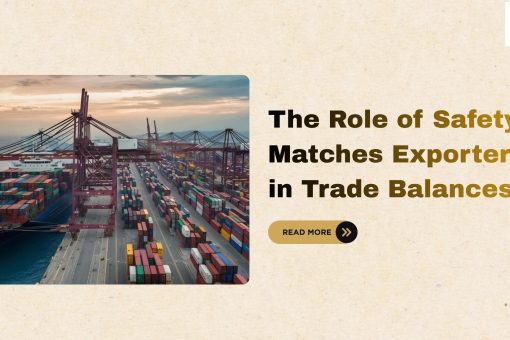
The Role of Safety Matches Exporters in Trade Balances

The global Safety Match market was valued at USD million in 2019 and is expected to reach USD million by the end of 2026

Safety matches exporters play a crucial role in global trade, contributing significantly to the economic stability and trade balances of exporting countries.

These small but essential items have a vast market, with a consistent demand worldwide.

In this article, let us look into the dynamics of safety matches exporters can provide insights into their impact on trade balances and the broader economic implications.
Global Market for Safety Matches
The global market for safety matches is strong, driven by both household use and industrial applications. Safety matches exporters cater to diverse clients, ranging from individual consumers to large-scale industries.

Countries such as India, Sweden, and Pakistan are prominent exporters, supplying millions of matchboxes annually. The steady demand for safety matches ensures a continuous flow of exports, which is vital for maintaining positive trade balances.
Economic Impact of Safety Matches Exporters
Safety matches exporters contribute significantly to the economies of their respective countries. The export of safety matches generates substantial revenue, which helps in offsetting trade deficits.

For many developing countries, the export of safety matches is a significant source of foreign exchange earnings. This revenue can be reinvested into the economy, providing growth and development.

Moreover, the safety matches industry provides employment opportunities to thousands of people, from manufacturing to packaging and distribution. This employment generation further stimulates economic activity, enhancing the overall economic health of exporting nations.
Trade Balances and Safety Matches Exports
Trade balances, the difference between a country’s exports and imports, are crucial indicators of economic health. A positive trade balance, where exports exceed imports, is often a sign of economic strength. Safety matches exporters contribute to achieving a positive trade balance by ensuring a steady stream of exports.

For instance, India, one of the largest safety matches exporters, has a thriving match industry that supports its trade balance. The consistent demand for Indian safety matches in international markets ensures a continuous inflow of foreign currency, which is instrumental in maintaining a favourable trade balance.

The revenue generated from these exports can be utilized to import essential goods and services, thus balancing the overall trade equation.
Challenges Faced by Safety Matches Exporters
Despite their significant contributions, safety matches exporters face several challenges that can impact their role in trade balances. One of the primary challenges is the fluctuating cost of raw materials. The production of safety matches relies heavily on raw materials such as wood, chemicals, and packaging materials.

Any increase in the cost of these materials can raise production costs, affecting the competitiveness of safety matches exporters in the global market.

Another challenge is the stringent regulations and safety standards imposed by importing countries. Safety matches must meet specific safety and quality standards to be accepted in international markets. Compliance with these standards can be costly and time-consuming, posing a barrier for smaller exporters.

Additionally, safety matches exporters in Nigeria often face stiff competition from alternative ignition methods such as lighters and electronic ignition devices.

While safety matches remain popular in many regions, the growing preference for these alternatives can impact the demand for traditional matches.
Strategies for Enhancing the Role of Safety Matches Exporters
To overcome these challenges and enhance their role in trade balances, safety matches exporters need to adopt strategic measures. Investing in advanced manufacturing technologies can improve efficiency and reduce production costs, making exports more competitive. Embracing sustainable practices, such as using eco-friendly raw materials, can also attract environmentally conscious consumers and open new markets.

Building strong relationships with international buyers and understanding the regulatory requirements of different markets can help safety matches exporters navigate the complexities of global trade. Providing high-quality products that meet international standards can enhance the reputation of exporters and increase demand.

Furthermore, safety matches exporters in Togo can explore new markets by diversifying their product range. Introducing innovative products, such as waterproof matches or matches with added functionalities, can attract new customers and boost export volumes.
Conclusion
Safety matches exporters in Africa play a vital role in global trade, contributing to the economic stability and trade balances of exporting countries. By generating significant revenue and providing employment opportunities, they support economic growth and development.

Despite facing challenges such as fluctuating raw material costs and competition from alternative ignition methods, safety matches exporters can enhance their role by adopting strategic measures. Investing in advanced technologies, embracing sustainable practices, and exploring new markets can ensure their continued contribution to positive trade balances.

The consistent demand for safety matches worldwide underscores their importance in global trade. As long as safety matches exporters continue to innovate and adapt to changing market dynamics, they will remain key players in maintaining favourable trade balances and supporting economic growth.

Looking for the best safety matches exporters?

Epoch Exports is the right place!

FAQ’s

1. What are the primary markets for safety matches exporters?

Safety matches exporters primarily target countries in Asia, Africa, and Europe, where there is a high demand for both household and industrial use.

2. How do safety matches exporters contribute to trade balances?

They generate significant revenue through exports, helping to offset trade deficits and maintain positive trade balances.

3. What challenges do safety matches exporters face?

Exporters face challenges like fluctuating raw material costs, stringent safety regulations, and competition from alternative ignition methods.

4. How can safety matches exporters improve their competitiveness?

Investing in advanced manufacturing technologies, adopting sustainable practices, and diversifying their product range can enhance competitiveness.

5. Why are safety matches still in demand despite modern alternatives?

Safety matches are affordable, reliable, and widely used for various applications, ensuring their continued demand globally.

Posted by epoch_newadmin
Safety Matches Manufacturer
Blogs

Expert Tips for Partnering with the Best Safety Matches Manufacturer

Safety matches are used worldwide, that are essential for both household and industrial use.

Whether you’re a retailer looking to stock reliable safety matches or a distributor seeking a trustworthy supplier, partnering with the right safety matches manufacturer is crucial for ensuring quality, reliability, and customer satisfaction.

In this article, let us explore expert tips to help you identify and collaborate with the best safety matches manufacturer for your needs.
Understanding the Safety Matches Industry
Before looking into tips for choosing a safety matches manufacturer, it’s essential to understand the safety matches industry landscape. Safety matches are produced using specific materials and adhere to stringent safety standards to prevent accidental ignition.

Manufacturers vary in terms of production capacity, quality standards, and market reputation. Identifying your specific requirements and market expectations will guide you in selecting the most suitable partner.
Key Factors to Consider When Choosing a Safety Matches Manufacturer
1. Quality Standards and Certifications
When evaluating potential safety matches manufacturer, prioritize those with recognized quality certifications such as ISO standards. These certifications ensure adherence to international quality benchmarks, guaranteeing safe and reliable products. These certifications validate that their production processes meet international benchmarks for safety, reliability, and consistency. Such standards are crucial in guaranteeing that the safety matches produced are safe for consumer use and comply with regulatory requirements.
2. Production Capacity and Scalability
Assess the manufacturer’s production capacity to ensure they can meet your demand requirements consistently. Scalability is crucial if you anticipate future growth or seasonal fluctuations in demand. A manufacturer with scalable operations can adjust production levels to accommodate varying order volumes without compromising on quality or delivery timelines.
3. Product Range and Customization Options
Consider whether the manufacturer offers a diverse product range that aligns with your market needs. Additionally, inquire about their ability to customize safety matches according to your specifications, such as branding and packaging requirements. Whether you need standard safety match variants or specialized products like waterproof matches or eco-friendly options, assessing the manufacturer’s portfolio ensures they can meet your exact specifications.
4. Supply Chain and Logistics Efficiency
Efficient supply chain management is vital for timely deliveries and minimizing disruptions. Evaluate the manufacturer’s logistics capabilities and distribution network to ensure seamless product availability. A manufacturer’s ability to manage their supply chain effectively impacts product availability and delivery reliability. Evaluate their sourcing practices for raw materials and components to ensure consistent quality and availability.
5. Market Reputation and Customer Reviews
Research the manufacturer’s reputation within the safety matches industry. Seek feedback from existing clients and review customer testimonials to gauge satisfaction levels and reliability. Researching customer feedback provides insights into the manufacturer’s reliability, transparency in business dealings, and commitment to customer satisfaction.
6. Cost-Effectiveness and Pricing Structure
While cost shouldn’t be the sole determinant, it’s essential to compare pricing structures among different manufacturers. Balance cost-effectiveness with product quality and service reliability. A transparent pricing structure, detailing costs associated with production, packaging, and logistics, facilitates informed decision-making and helps manage budgetary considerations effectively.
7. Innovation and Technology Adoption
Partnering with a manufacturer that embraces innovation and adopts advanced production technologies can enhance product quality and operational efficiency. Inquire about their investment in R&D and technological capabilities.
Steps to Establish a Successful Partnership
Once you’ve identified prospective manufacturers, follow these steps to establish a successful partnership

Initial Consultation and Site Visit: Schedule meetings with shortlisted manufacturers to discuss your requirements and conduct a site visit to assess their facilities firsthand.

Negotiation and Contractual Agreement: Clearly outline expectations, pricing terms, quality standards, delivery schedules, and dispute resolution mechanisms in a comprehensive contract.

Quality Assurance and Testing Protocols: Establish regular quality inspections and testing protocols to ensure compliance with safety regulations and product specifications.

Continuous Communication and Feedback: Maintain open communication channels with the manufacturer to address any issues promptly and provide constructive feedback for improvement.
Conclusion
Partnering w