Category: Blogs

Match Stick
Blogs

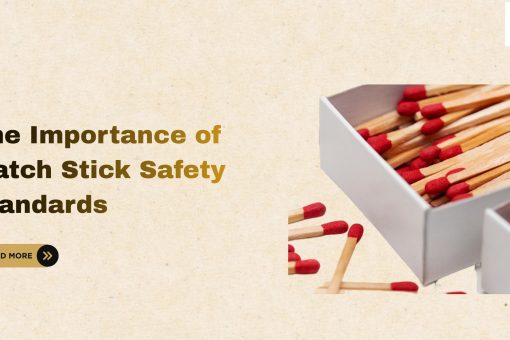
The Importance of Match Stick Safety Standards

Matchsticks are a staple in households and industries worldwide, offering a simple yet essential tool for igniting a fire. However, the safety of these small sticks is crucial, as improper standards can lead to severe hazards.

Any manufacturer of matchsticks must adhere strictly to safety regulations, which are required by law and demonstrate a commitment to safeguarding customers and the environment.

In this article, we will look into why safety standards in matchstick production are vital, how manufacturers can ensure compliance and the benefits of maintaining these standards.
Why Safety Standards Matter in Matchstick Manufacturing
Safety standards in matchstick manufacturing aim to prevent accidents, such as fires or injuries, if the products are not made according to strict guidelines. Matchsticks are flammable and require precise manufacturing techniques to ensure they ignite only when intended.

A responsible matchstick manufacturer understands the importance of these standards and integrates them into every production stage.

Accidents caused by faulty matchsticks can have severe consequences, including property damage, injury, or even death.

Safety standards help mitigate these risks by ensuring that matchsticks are made with high-quality materials, properly treated to resist accidental ignition, and designed with safety features such as non-toxic tips and controlled burn times.
Key Safety Standards for Matchstick Manufacturers
For a match stick manufacturer, several essential safety standards must be adhered to, including:
Material Quality
The wood or other materials used in matchsticks should be durable, non-toxic, and sourced from sustainable suppliers. Poor-quality materials can lead to breakage, uneven burning, or toxic fumes.
Chemical Composition
The chemicals used in the match head, such as potassium chlorate, sulfur, and fillers, must be carefully measured and mixed. Overly aggressive chemical formulations can cause premature ignition or dangerous flaring
Ignition Control
Safety matches are designed to ignite only when struck against a specially prepared surface. This prevents accidental ignitions if the match is struck against a regular surface.
Packaging
Proper packaging is important for maintaining the safety of matchsticks. Packaging should be designed to prevent moisture, which can affect the match’s ability to ignite, and contain any accidental ignition within the package
Labelling and Instructions
Clear labelling with safety instructions helps consumers use matchsticks correctly and understand the risks involved. Labels should also include warnings about keeping matches away from children
How Manufacturers Ensure Compliance
Ensuring compliance with safety standards involves several steps. First, a match stick manufacturer must stay informed about the latest regulations and industry standards. This can be done through memberships in industry associations, regular training, and consultation with safety experts.

Second, manufacturers should implement rigorous quality control processes. These include routine audits of the production process, testing raw materials, and examining completed goods. By identifying problems before the products are sold to consumers, manufacturers can avoid mishaps and product recalls.

Third, investing in modern manufacturing technology can help ensure consistency and quality in matchstick production. Automated systems for mixing chemicals, cutting matchsticks, and applying match heads can reduce human error and improve product safety.

Lastly, it is critical that staff members receive continual training and education. To ensure a safe working environment, workers should get training in emergency procedures, mechanical operation, and safe chemical handling.
Benefits of Adhering to Safety Standards
Adhering to safety standards offers several benefits for a matchstick manufacturer. Firstly, it builds consumer trust. Customers are more inclined to select a manufacturer’s goods over rivals when they know the manufacturer’s commitment to safety. Sales growth and brand loyalty may result from this trust.

Secondly, compliance with safety standards reduces the risk of legal issues. Manufacturers who fail to meet safety standards can face lawsuits, fines, and reputation damage. By following the guidelines, manufacturers protect themselves from these risks.

Thirdly, maintaining high safety standards can open up new markets. Many countries have strict import regulations for matchsticks, and only products that meet these standards are allowed entry. By producing safe matchsticks, manufacturers can expand their reach globally.

Finally, contributing to public safety by producing reliable products gives manufacturers a sense of responsibility and pride. Knowing that their products help prevent accidents and protect lives is a significant achievement for any match stick manufacturer.
Conclusion
Safety standards in matchstick manufacturing are not merely guidelines but essential practices that protect consumers, workers, and the environment.

Commitment to these standards is crucial for any matchstick manufacturer to produce high-quality, safe products. Manufacturers safeguard their business by ensuring compliance with safety regulations and contributing to a safer world

Looking for the best match stick manufacturer?

Epoch Exports is the right place

Posted by
Safety Matches
Blogs Safety Matches

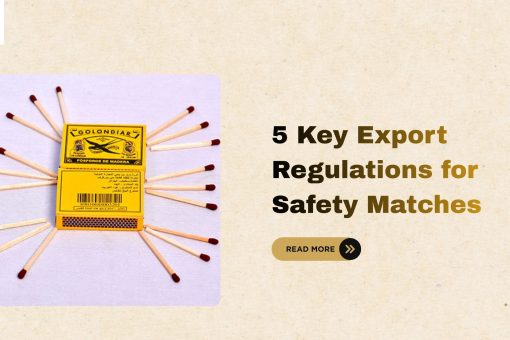
5 Key Export Regulations for Safety Matches

In international trade, seemingly safety matches present formidable challenges due to their flammable nature and inherent safety risks. This blog aims to bring the export regulations governing safety matches. Exploring the various aspects of the export regulations, it delves into product safety standards, labeling requirements, packaging specifications, transportation protocols, and customs formalities.

The objective is to provide a comprehensive overview of the regulatory landscape, highlighting the complexities exporters face when navigating global markets. By understanding these regulations, stakeholders can mitigate risks, ensure compliance, and facilitate smooth cross-border movement of safety matches.

This blog will serve as a valuable resource for exporters, importers, regulatory authorities, and other interested parties seeking to navigate the intricacies of the safety match export industry.
The Importance of Export Regulations on Safety Matches
Export regulations for safety matches ensure product safety, quality, and compliance with international standards. They prevent the export of substandard or hazardous products, protect consumers, and facilitate smoother transactions.

Regulations promote fair competition and sustainable practices, improving the exporters’ reputation and reliability. Compliance is vital for maintaining the integrity and safety of safety matches globally.
5 Primary Regulations for Exporting the Safety Matches
Exporting safety matches involves navigating a complex web of regulations to ensure the product’s safety, quality, and compliance in international markets from the reputed Safety matches manufacturer, which are familiar for their reliable ignition and improved safety features, are subject to strict guidelines that exporters must adhere to. Here are five key export regulations for safety matches that every exporter should know.
Product Safety and Quality Standards
Ensuring that safety matches meet international safety and quality standards is paramount. To be considered safe, different countries have specific requirements that safety matches must comply with. Exporters must conduct rigorous testing and quality assurance to ensure their matches meet these standards. This may involve laboratory testing for chemical composition, ignition properties, and resistance to accidental ignition.
Packaging and Labeling Requirements
Packaging and labelling are crucial aspects of exporting safety matches, as they directly affect the product’s safety during transportation and storage. Regulations often specify the following:

Material and Design: Safety Matches Manufacturers should ensure that the Packaging materials must be durable and designed to prevent accidental ignition. This includes using materials resistant to moisture, impact, and friction.

Labelling Information: Labels must provide essential information, such as the manufacturer’s name, product type, batch number, and safety instructions. Some countries may also require labels to be in different languages to cater to different markets.
Hazardous Materials Regulations
Safety matches are classified as hazardous materials due to their potential to ignite. As such, their export is subject to hazardous materials regulations, which include:

Transportation Regulations: The International Maritime Dangerous Goods Code and International Air Transport Association Dangerous Goods Regulations do provide guidelines for safely transporting hazardous materials by sea and air, respectively. These regulations cover packaging, labelling, documentation, and handling procedures.

Storage and Handling: Exporters must adhere to specific storage and handling protocols to prevent accidental ignition and ensure the safety of personnel. This also includes maintaining proper temperature and humidity levels and ensuring proper ventilation.
Compliance with these regulations is important to prevent accidents and ensure the safe delivery of safety matches to their destination.
Customs and Import Regulations
Navigating customs and import regulations is a critical step in the export process of safety matches. Each country has its own set of customs regulations that exporters must comply with, including:

Documentation Requirements: Proper documentation is essential for customs clearance. This typically includes a commercial invoice, packing list, bill of lading, certificate of origin, and any other documents the importing country requires. Safety Matches Exporters must ensure all records are accurate and complete to avoid delays and additional costs.

Additionally, some countries may have specific import restrictions or bans on safety matches, making it crucial for exporters to research and understand the regulations of the target market.
Environmental and Sustainability Regulations
Increasingly, countries are implementing environmental and sustainability regulations that impact the export of safety matches. These regulations aim to reduce the ecological impact of manufacturing and exporting processes. Key considerations include:

Eco-friendly Materials: Many countries require sustainable and biodegradable materials in match production and packaging. Exporters must source eco-friendly raw materials and adopt sustainable manufacturing practices to comply with these regulations.

Waste Management: Proper disposal of manufacturing waste and used matches are other important aspects. Exporters may need to implement waste management systems that minimize environmental impact and comply with local regulations.

Carbon Footprint: Some countries are introducing regulations to limit the carbon footprint of imported goods. Exporters may need to calculate and disclose the carbon emissions associated with their products and take steps to reduce them.

By adhering to environmental and sustainability regulations, exporters comply with legal requirements, appeal to eco-conscious consumers, and enhance their brand reputation.
Conclusion
Exporting safety matches and requires compliance with product safety, packaging, hazardous materials handling, customs, and environmental regulations. Prioritizing safety, quality, and sustainability is crucial for successful exports. Understanding and adhering to these regulations will contribute to long-term success in the safety matches industry.

Epoch Exports the most renowned safety match exporters in India, successfully exports to Africa, Greece, Yemen, Latin America, Europe, and the Middle East. We are consistently delivering high quality products, with wide varieties such as Wooden Safety Matches, Wax Safety Matches, and Kitchen Safety Matches, which meet customer requirements and industry standards, ensuring the best quality with the correct time of delivery, making us the best manufacturer of safety matches in India.

Posted by
Manufacturers
Blogs

How Manufacturers Ensure Product Safety and Compliance

Manufacturers in various industries are constantly scrutinized in the market to ensure their products adhere to safety and compliance regulations.

This is particularly true for companies that make safety matches and must follow tight regulations to shield customers from possible risks.

It is impossible to exaggerate how crucial product safety and compliance are to protecting end users and improving a brand’s standing in the marketplace. Respecting these guidelines is essential for a safety match manufacturer to avoid mishaps and maintain customers’ confidence.

In this article, we will explore the different approaches and procedures manufacturers take to guarantee that their products adhere to the relevant safety and compliance standards.
Understanding Product Safety and Compliance
Product safety and compliance are terms used to describe following rules and legislation intended to guarantee consumer safety in products. These laws differ by nation and industry, so manufacturers must remain knowledgeable and adaptable.

For a safety matches manufacturer this involves understanding the specific flammability, toxicity, and packaging requirements to prevent misuse and accidents. Compliance ensures that products perform as intended and do not pose a risk to consumers or the environment.
The Role of Quality Control in Manufacturing
Quality control is at the heart of ensuring product safety and compliance. It involves systematic processes that check for defects and ensure that products meet the specifications.

For safety matches manufacturers, this could include testing the strength of the matchstick, the consistency of the combustible materials, and the safety of the striking surface.

Quality control teams often work closely with product design and development teams to identify potential safety issues early in production.
Key elements of quality control in manufacturing include
1. Inspection and Testing: Frequent testing and inspection at different production stages aid in finding and fixing flaws before the product is delivered to the customer.

2. Process Control: Monitoring and controlling the production process to maintain consistent quality standards.

3. Corrective Actions: Implementing corrective measures when defects or non-compliance issues are identified.

4. Documentation and Record-Keeping: Maintaining detailed records of inspections, tests, and corrective actions to demonstrate compliance with safety regulations.
Regulatory Compliance in Manufacturing
Regulatory compliance is crucial for manufacturers, particularly those dealing with potentially hazardous products like safety matches. Safety matches manufacturers must comply with various national and international standards, including:

ISO Standards: International standards that ensure products are safe, reliable, and of good quality.

Consumer Product Safety Commission Regulations: In the U.S., these regulations govern the safety of consumer products, including matches.

Environmental Regulations: Respect for environmental regulations in order to lessen the environmental impact of manufacturing operations.

Manufacturers often need to stay updated with the latest regulation changes to ensure ongoing compliance. This involves regular staff training and working with legal experts to interpret and implement regulatory requirements effectively.
Safety Matches Manufacturer: Case Study
Let’s consider a hypothetical case study of a safety matches manufacturer, Epoch Exports is a leading manufacturer of safety matches committed to ensuring product safety and compliance. Here’s how they achieve this:

1. Rigorous Testing Protocols: Epoch Exports conducts rigorous testing of its products to make sure they meet safety standards. This includes flammability tests, strike tests, and packaging assessments to prevent accidental ignition.

2. Supplier Quality Assurance: They work closely with suppliers to ensure that raw materials meet safety and quality standards. This includes regular audits and inspections of supplier facilities.

3. Employee Training and Awareness: Epoch Exports invests in ongoing training programs for its employees to ensure their awareness of safety regulations and quality control procedures.

4. Certification and Accreditation: The organization strives for appropriate certifications and accreditations, such as ISO 9001, to demonstrate its dedication to quality and compliance.

5. Consumer Feedback and Continuous Improvement: Epoch Exports actively seeks consumer feedback to identify potential safety issues and areas for improvement. They use this feedback to make necessary changes to their products and processes.
Technology and Innovation in Ensuring Product Safety
Technology greatly enhances product compliance and safety. Modern manufacturers use cutting-edge technologies to improve quality control and compliance. For safety-match manufacturers, innovations such as automated testing equipment, data analytics, and real-time monitoring systems can enhance their ability to detect defects and ensure consistent product quality.

Key Technological Innovations:

1. Automated Testing Systems: Automated systems can perform repetitive testing tasks with high precision, reducing the risk of human error.

2. Data Analytics: By analyzing production data, manufacturers can identify trends and potential safety issues, allowing for proactive measures to address them.

3. Real-time Monitoring: IoT-enabled devices can provide real-time monitoring of production processes, ensuring that any deviations from safety standards are quickly identified and corrected.
Challenges in Maintaining Product Safety and Compliance
Despite the best efforts, manufacturers often need help maintaining product safety and compliance. These challenges include:

Complex Regulatory Landscape: Navigating the complex and ever-changing regulatory landscape can be daunting for manufacturers, requiring constant vigilance and adaptation.

Cost of Compliance: Ensuring compliance can be costly, particularly for small manufacturers. However, the cost of non-compliance, including fines, legal action, and damage to reputation, can be even higher.

Global Supply Chains: Managing product safety across global supply chains can be challenging, requiring coordination and collaboration with suppliers worldwide.
Conclusion
Product safety and compliance are essential for manufacturers, especially in industries dealing with potentially hazardous products like safety matches. Manufacturers may guarantee that their products are safe, compliant, and of the highest calibre by implementing strict quality control procedures, keeping up with regulatory requirements, and utilizing technology.

For a safety matches manufacturer, this commitment to safety protects consumers, builds trust and strengthens their brand in the market. In an increasingly competitive and regulated world, prioritizing safety and compliance is not just a legal obligation but a strategic advantage.

By focusing on quality control, regulatory compliance, and technological innovation, manufacturers can ensure that their products meet the highest safety standards, benefiting both consumers and the industry.

Looking for the best safety matches manufacturers?

Epoch Exports is the right place!

FAQ’s

1. What are the key regulations safety matches manufacturers must comply with?

Safety matches manufacturers must adhere to various regulations, including ISO standards for quality, CPSC regulations for consumer safety in the U.S., and environmental laws to minimize environmental impact. Compliance ensures the safety of the product and builds consumer trust and brand reputation.

2. How do safety matches manufacturers ensure quality control in production?

Manufacturers ensure quality control by conducting regular inspections and testing throughout production. This includes flammability tests, strike tests, and packaging assessments. Quality control teams also work closely with design and development to identify and rectify potential safety issues before products reach consumers.

3. What role does technology play in product safety for manufacturers?

Technology enhances product safety through automated testing, real-time monitoring, and data analytics. Automated systems reduce human error, IoT devices provide real-time process monitoring, and data analytics help identify trends and potential safety issues, allowing manufacturers to address problems proactively and ensure consistent product quality.

4. How can manufacturers overcome challenges in maintaining compliance?

Manufacturers can overcome compliance challenges by investing in staff training, working with legal experts, and using technology to streamline processes. Maintaining up-to-date knowledge of regulatory changes and collaborating with suppliers also ensures that safety standards are consistently met across global supply chains.

5. Why is product safety crucial for manufacturers?

Product safety is essential for manufacturers as it protects consumers from potential hazards, enhances brand reputation, and prevents legal issues. Making sure safety regulations are followed gives businesses a competitive edge and fosters consumer trust by showcasing their dedication to high standards and customer care.

Posted by
Safety Matches Exporters
Blogs

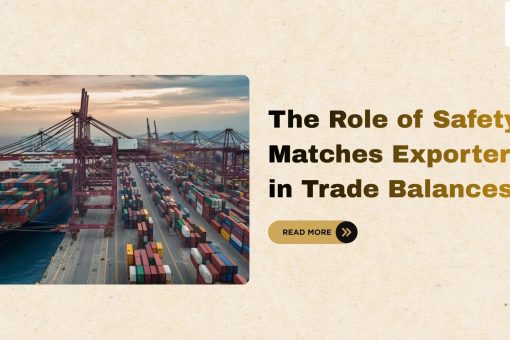
The Role of Safety Matches Exporters in Trade Balances

The global Safety Match market was valued at USD million in 2019 and is expected to reach USD million by the end of 2026

Safety matches exporters play a crucial role in global trade, contributing significantly to the economic stability and trade balances of exporting countries.

These small but essential items have a vast market, with a consistent demand worldwide.

In this article, let us look into the dynamics of safety matches exporters can provide insights into their impact on trade balances and the broader economic implications.
Global Market for Safety Matches
The global market for safety matches is strong, driven by both household use and industrial applications. Safety matches exporters cater to diverse clients, ranging from individual consumers to large-scale industries.

Countries such as India, Sweden, and Pakistan are prominent exporters, supplying millions of matchboxes annually. The steady demand for safety matches ensures a continuous flow of exports, which is vital for maintaining positive trade balances.
Economic Impact of Safety Matches Exporters
Safety matches exporters contribute significantly to the economies of their respective countries. The export of safety matches generates substantial revenue, which helps in offsetting trade deficits.

For many developing countries, the export of safety matches is a significant source of foreign exchange earnings. This revenue can be reinvested into the economy, providing growth and development.

Moreover, the safety matches industry provides employment opportunities to thousands of people, from manufacturing to packaging and distribution. This employment generation further stimulates economic activity, enhancing the overall economic health of exporting nations.
Trade Balances and Safety Matches Exports
Trade balances, the difference between a country’s exports and imports, are crucial indicators of economic health. A positive trade balance, where exports exceed imports, is often a sign of economic strength. Safety matches exporters contribute to achieving a positive trade balance by ensuring a steady stream of exports.

For instance, India, one of the largest safety matches exporters, has a thriving match industry that supports its trade balance. The consistent demand for Indian safety matches in international markets ensures a continuous inflow of foreign currency, which is instrumental in maintaining a favourable trade balance.

The revenue generated from these exports can be utilized to import essential goods and services, thus balancing the overall trade equation.
Challenges Faced by Safety Matches Exporters
Despite their significant contributions, safety matches exporters face several challenges that can impact their role in trade balances. One of the primary challenges is the fluctuating cost of raw materials. The production of safety matches relies heavily on raw materials such as wood, chemicals, and packaging materials.

Any increase in the cost of these materials can raise production costs, affecting the competitiveness of safety matches exporters in the global market.

Another challenge is the stringent regulations and safety standards imposed by importing countries. Safety matches must meet specific safety and quality standards to be accepted in international markets. Compliance with these standards can be costly and time-consuming, posing a barrier for smaller exporters.

Additionally, safety matches exporters in Nigeria often face stiff competition from alternative ignition methods such as lighters and electronic ignition devices.

While safety matches remain popular in many regions, the growing preference for these alternatives can impact the demand for traditional matches.
Strategies for Enhancing the Role of Safety Matches Exporters
To overcome these challenges and enhance their role in trade balances, safety matches exporters need to adopt strategic measures. Investing in advanced manufacturing technologies can improve efficiency and reduce production costs, making exports more competitive. Embracing sustainable practices, such as using eco-friendly raw materials, can also attract environmentally conscious consumers and open new markets.

Building strong relationships with international buyers and understanding the regulatory requirements of different markets can help safety matches exporters navigate the complexities of global trade. Providing high-quality products that meet international standards can enhance the reputation of exporters and increase demand.

Furthermore, safety matches exporters in Togo can explore new markets by diversifying their product range. Introducing innovative products, such as waterproof matches or matches with added functionalities, can attract new customers and boost export volumes.
Conclusion
Safety matches exporters in Africa play a vital role in global trade, contributing to the economic stability and trade balances of exporting countries. By generating significant revenue and providing employment opportunities, they support economic growth and development.

Despite facing challenges such as fluctuating raw material costs and competition from alternative ignition methods, safety matches exporters can enhance their role by adopting strategic measures. Investing in advanced technologies, embracing sustainable practices, and exploring new markets can ensure their continued contribution to positive trade balances.

The consistent demand for safety matches worldwide underscores their importance in global trade. As long as safety matches exporters continue to innovate and adapt to changing market dynamics, they will remain key players in maintaining favourable trade balances and supporting economic growth.

Looking for the best safety matches exporters?

Epoch Exports is the right place!

FAQ’s

1. What are the primary markets for safety matches exporters?

Safety matches exporters primarily target countries in Asia, Africa, and Europe, where there is a high demand for both household and industrial use.

2. How do safety matches exporters contribute to trade balances?

They generate significant revenue through exports, helping to offset trade deficits and maintain positive trade balances.

3. What challenges do safety matches exporters face?

Exporters face challenges like fluctuating raw material costs, stringent safety regulations, and competition from alternative ignition methods.

4. How can safety matches exporters improve their competitiveness?

Investing in advanced manufacturing technologies, adopting sustainable practices, and diversifying their product range can enhance competitiveness.

5. Why are safety matches still in demand despite modern alternatives?

Safety matches are affordable, reliable, and widely used for various applications, ensuring their continued demand globally.

Posted by
Safety Matches Manufacturer
Blogs

Expert Tips for Partnering with the Best Safety Matches Manufacturer

Safety matches are used worldwide, that are essential for both household and industrial use.

Whether you’re a retailer looking to stock reliable safety matches or a distributor seeking a trustworthy supplier, partnering with the right safety matches manufacturer is crucial for ensuring quality, reliability, and customer satisfaction.

In this article, let us explore expert tips to help you identify and collaborate with the best safety matches manufacturer for your needs.
Understanding the Safety Matches Industry
Before looking into tips for choosing a safety matches manufacturer, it’s essential to understand the safety matches industry landscape. Safety matches are produced using specific materials and adhere to stringent safety standards to prevent accidental ignition.

Manufacturers vary in terms of production capacity, quality standards, and market reputation. Identifying your specific requirements and market expectations will guide you in selecting the most suitable partner.
Key Factors to Consider When Choosing a Safety Matches Manufacturer
1. Quality Standards and Certifications
When evaluating potential safety matches manufacturer, prioritize those with recognized quality certifications such as ISO standards. These certifications ensure adherence to international quality benchmarks, guaranteeing safe and reliable products. These certifications validate that their production processes meet international benchmarks for safety, reliability, and consistency. Such standards are crucial in guaranteeing that the safety matches produced are safe for consumer use and comply with regulatory requirements.
2. Production Capacity and Scalability
Assess the manufacturer’s production capacity to ensure they can meet your demand requirements consistently. Scalability is crucial if you anticipate future growth or seasonal fluctuations in demand. A manufacturer with scalable operations can adjust production levels to accommodate varying order volumes without compromising on quality or delivery timelines.
3. Product Range and Customization Options
Consider whether the manufacturer offers a diverse product range that aligns with your market needs. Additionally, inquire about their ability to customize safety matches according to your specifications, such as branding and packaging requirements. Whether you need standard safety match variants or specialized products like waterproof matches or eco-friendly options, assessing the manufacturer’s portfolio ensures they can meet your exact specifications.
4. Supply Chain and Logistics Efficiency
Efficient supply chain management is vital for timely deliveries and minimizing disruptions. Evaluate the manufacturer’s logistics capabilities and distribution network to ensure seamless product availability. A manufacturer’s ability to manage their supply chain effectively impacts product availability and delivery reliability. Evaluate their sourcing practices for raw materials and components to ensure consistent quality and availability.
5. Market Reputation and Customer Reviews
Research the manufacturer’s reputation within the safety matches industry. Seek feedback from existing clients and review customer testimonials to gauge satisfaction levels and reliability. Researching customer feedback provides insights into the manufacturer’s reliability, transparency in business dealings, and commitment to customer satisfaction.
6. Cost-Effectiveness and Pricing Structure
While cost shouldn’t be the sole determinant, it’s essential to compare pricing structures among different manufacturers. Balance cost-effectiveness with product quality and service reliability. A transparent pricing structure, detailing costs associated with production, packaging, and logistics, facilitates informed decision-making and helps manage budgetary considerations effectively.
7. Innovation and Technology Adoption
Partnering with a manufacturer that embraces innovation and adopts advanced production technologies can enhance product quality and operational efficiency. Inquire about their investment in R&D and technological capabilities.
Steps to Establish a Successful Partnership
Once you’ve identified prospective manufacturers, follow these steps to establish a successful partnership

Initial Consultation and Site Visit: Schedule meetings with shortlisted manufacturers to discuss your requirements and conduct a site visit to assess their facilities firsthand.

Negotiation and Contractual Agreement: Clearly outline expectations, pricing terms, quality standards, delivery schedules, and dispute resolution mechanisms in a comprehensive contract.

Quality Assurance and Testing Protocols: Establish regular quality inspections and testing protocols to ensure compliance with safety regulations and product specifications.

Continuous Communication and Feedback: Maintain open communication channels with the manufacturer to address any issues promptly and provide constructive feedback for improvement.
Conclusion
Partnering with the best safety matches manufacturers like Epoch Exports involves thorough research, careful evaluation of key factors, and establishing a collaborative relationship based on trust and mutual benefit.

By prioritizing quality, reliability, and innovation, you can ensure a successful partnership that meets your business objectives and satisfies customer expectations in the competitive safety matches market.

Looking for the best Safety Matches Manufacturers?

Epoch Exports is the right place!

FAQ’s

What certifications should I look for in a safety matches manufacturer?

Look for certifications such as ISO 9001 for quality management and ISO 14001 for environmental management. These certifications ensure that the manufacturer meets international standards for product quality and sustainability.

How can I ensure the safety matches manufacturer meets my volume requirements?

Before partnering, discuss your volume needs and assess the manufacturer’s production capacity. Ensure they have the infrastructure and resources to handle your demand consistently, including during peak periods or seasonal fluctuations.

What customization options are typically available for safety matches?

Manufacturers often offer customization options such as branded packaging, different matchstick lengths, and variations in match head composition (e.g., waterproof or extra-strike). Discuss your specific requirements with the manufacturer to determine available customization possibilities.

How do I assess the reliability of a safety matches manufacturer’s supply chain?

Evaluate the manufacturer’s supply chain management practices, including their sourcing of raw materials, production processes, and distribution network. Request details on their logistics capabilities and track record in delivering products on time without disruptions.

Posted by
Safety Matches
Blogs

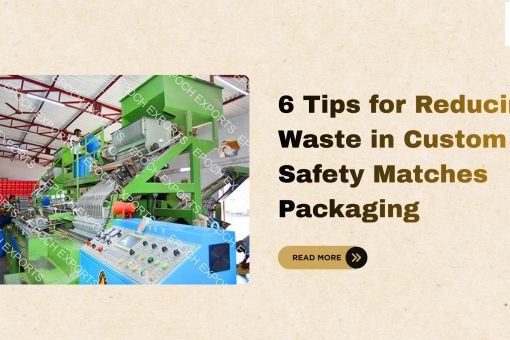
6 Tips for Reducing Waste in Custom Safety Matches Packaging

Custom safety matches packaging is an essential component of the safety matches industry. As businesses strive to improve their sustainability practices, reducing waste in packaging has become a priority.

Not only does this help in minimizing environmental impact, but it also leads to cost savings and improved efficiency.

The safety matches industry plays a crucial role in providing a reliable source of fire for various applications, from household use to industrial purposes. However, the environmental impact of packaging waste cannot be overlooked.

Custom safety matches packaging, while necessary for branding and protection, often contributes to significant waste. By implementing sustainable practices and innovative solutions, businesses can reduce their waste footprint and promote a greener future.

In this article let us look into six tips for reducing waste in custom safety matches packaging.
Optimize Packaging Design
One of the most effective ways to reduce waste in custom matches packaging is to optimize the packaging design. This involves creating a design that uses the least amount of material while still providing adequate protection and branding. Lightweight materials and minimalist designs can significantly cut down on waste. Additionally, using a standardized packaging size can reduce the need for excess materials.

Practical Steps:

– Conduct a packaging audit to identify areas of excess material use.

– Work with packaging designers to create more efficient designs.

– Test different materials and designs to find the optimal balance between protection and minimal waste.
Use Recyclable and Biodegradable Materials
Transitioning to recyclable and biodegradable materials can greatly reduce the environmental impact of custom match packaging. Traditional packaging materials, such as plastic, can take centuries to decompose.

By using materials that are easily recyclable or biodegradable, businesses can ensure that their packaging does not contribute to long-term environmental degradation.

Practical Steps:

– Source packaging materials that are certified as recyclable or biodegradable.

– Educate customers on how to properly dispose of the packaging.

– Partner with suppliers who prioritize sustainability in their products.
Implement a Take Back Program
A take-back program encourages customers to return used safety matches packaging for recycling or proper disposal.

This not only helps in reducing waste but also fosters a sense of environmental responsibility among consumers.

Businesses can offer incentives, such as discounts or loyalty points, to encourage participation in the program.

Practical Steps:

– Set up collection points at retail locations or through a mail-back program.

– Offer rewards or discounts to customers who participate in the take-back program.

– Collaborate with recycling facilities to ensure proper processing of returned packaging.
Reduce Packaging Layers
Multiple layers of packaging often contribute to unnecessary waste. By simplifying the packaging structure and reducing the number of layers, businesses can minimize material usage. This approach not only cuts down on waste but also reduces production costs and improves efficiency.

Practical Steps:

– Evaluate the necessity of each packaging layer and eliminate redundant ones.

– Use multi-functional packaging that serves multiple purposes, such as protection and branding.

– Engage in continuous improvement practices to regularly assess and streamline packaging processes
Utilize Digital Printing
Traditional printing methods often lead to significant waste due to overproduction and setup processes. Digital printing allows for more precise and on-demand printing, reducing the amount of wasted materials.

This method also supports customization, which is ideal for custom safety matches packaging, and reduces the need for large inventory storage.

Practical Steps:

– Invest in digital printing technology for packaging production.

– Train staff on the benefits and processes of digital printing.

– Regularly review printing processes to ensure they are as efficient and waste free as possible.
Encourage Reuse
Encouraging customers to reuse packaging can significantly reduce waste. Creative and functional packaging designs that serve a secondary purpose can extend the life of the packaging and reduce the need for additional materials.

For instance, matchboxes designed as collectible items or storage containers can encourage reuse.

Practical Steps:

– Design packaging with secondary uses in mind, such as storage or decorative purposes.

– Include instructions or ideas for repurposing the packaging on the product itself.

– Promote the concept of reuse through marketing campaigns and customer education initiatives.
Conclusion
Reducing waste in custom safety matches packaging is not only an environmentally responsible practice but also a smart business strategy.

By optimizing packaging design, using recyclable and biodegradable materials, implementing take-back programs, reducing packaging layers, utilizing digital printing, and encouraging reuse, businesses can significantly minimize their waste footprint.

These practices not only contribute to a more sustainable future but also enhance brand reputation and customer loyalty in the competitive safety matches market.

Embracing these tips can lead to a more efficient, cost-effective, and eco-friendly approach to custom safety matches packaging.

Looking for the best Custom Matchbox manufacturer?

Epoch Exports is here to help you!

FAQ

1.What materials can be used to make custom match packaging more sustainable?

Opt for recyclable materials like cardboard and paper or biodegradable options such as cornstarch-based plastics. These choices help reduce environmental impact and align with eco-friendly practices.

2.How can digital printing reduce waste in match packaging?

Digital printing allows for precise print runs, minimizing overproduction and excess inventory. It also reduces waste from setup and plate changes associated with traditional printing methods.

3.Why is it important to include recycling instructions on packaging?

Clear recycling instructions encourage consumers to dispose of packaging properly, ensuring that materials are recycled rather than ending up in landfills, thus contributing to waste reduction efforts.

4.What are the benefits of using a compact packaging design?

Compact designs use fewer materials, reduce storage and transportation costs, and often require less energy to produce, leading to a smaller overall environmental footprint.

5.How does just-in-time production help in waste reduction?

Just-in-time production ensures that packaging is produced only when needed, preventing overproduction and the associated waste from unsold or obsolete packaging materials.

6.What strategies can be employed to reduce the number of packaging layers?

Evaluate the necessity of each packaging layer and remove any that do not provide significant benefits. Streamlining the design can maintain product protection while using fewer materials, reducing waste and costs.

Posted by
Match Stick
Blogs

The Importance of Match Stick Safety Standards

Matchsticks are a useful and portable source of ignition that have been used for starting fires for ages. Safety regulations are essential in their production process as, despite their usefulness, they also carry inherent risks.

Safety regulations guarantee the safe production, handling, and use of matchsticks, reducing the risk of mishaps and safeguarding the health and safety of both customers and employees.

In this article, let’s look at the importance of match stick safety regulations, the difficulties manufacturers have in following them, and the advantages they provide for society
History of Match Stick Safety
Historically, materials used to make matchsticks presented serious dangers to consumer safety. Known as “strike-anywhere” matches, the original matches were made of white phosphorous, which ignited when it came into touch with air. Numerous incidents, including fires and worker phosphorus poisoning, were caused by this extremely flammable material.

Safety regulations governing the composition and method of manufacture of matchsticks were created in response to these risks. A big improvement in match stick safety was the introduction of safety matches, which need a certain striking surface to light. These matches lessen the possibility of an unintentional ignition by using non-toxic substances like sulfur, potassium chlorate, and an oxidizing agent.
Challenges Faced by Match Stick Manufacturers
Manufacturers continue to struggle to guarantee that safety regulations are followed, even with the developments in matchstick safety. Strict quality control procedures and cautious handling of combustible components are necessary for the production process. It can be expensive for manufacturers to ensure that workers have access to the right protective gear and are trained on safety practices.

Manufacturers also have difficulties when it comes to using sustainable resources, including recycled paper, in the creation of matchsticks. Despite being environmentally benign, these materials can be more difficult to ignite and may need additional chemicals, which raises questions regarding environmental impact and safety.
Benefits of Adhering to Safety Standards
There are various advantages for both match stick makers and consumers when safety regulations are followed during the manufacturing process. By lowering the chance of mishaps and fires, safety regulations safeguard both customers and employees. Utilizing sustainable materials and non-toxic chemicals allows firms to lessen their negative environmental effects while simultaneously enhancing their public perception.

Additionally, producers may experience cost savings and enhanced productivity as a result of strict adherence to safety regulations. Manufacturers may save time and money by lowering the risk of manufacturing errors and product recalls by putting best practices in safety and quality control into practice.
Global Efforts Towards Safety
There has been a global movement in favor of more stringent matchstick safety regulations in recent years. To guarantee uniformity and safety throughout the sector, organizations like the International Organization for Standardization (ISO) have created criteria for the manufacture of matchsticks.

Furthermore, there is now a greater need for safer products as a result of customer knowledge of safety concerns. In response, producers are allocating resources to research and development in order to enhance safety regulations and create novel, more secure merchandise.
Conclusion
Match stick safety standards play a crucial role in ensuring the safety of consumers and workers, as well as reducing environmental impact.

While challenges exist, such as the cost of compliance and the need for sustainable materials, the benefits of adhering to safety standards are clear.

By prioritizing safety and quality control, match stick manufacturers can protect their reputation, reduce the risk of accidents, and contribute to a safer and more sustainable future.

Looking for the best matchsticks manufacturers?

Epoch Exports is here to help you!

FAQs:

1.Are match sticks safe to use?

Yes, when used properly, match sticks are safe. However, it is essential to follow safety guidelines, such as keeping them away from children, using them in well-ventilated areas, and ensuring they are fully extinguished after use, to prevent accidents.

2.Why do match sticks have safety standards?

Match sticks have safety standards to ensure they are produced, handled, and used safely. These standards help minimize the risk of fires, accidents, and health hazards associated with match stick manufacturing and use, protecting both consumers and workers.

3.How do safety standards benefit manufacturers?

Adhering to safety standards benefits manufacturers by reducing the risk of accidents and product recalls, improving efficiency and cost savings, and enhancing their public image. By prioritizing safety and quality control, manufacturers can protect their reputation and ensure the well-being of their workers and consumers.

4.What are some challenges faced by match stick manufacturers in adhering to safety standards?

Some challenges faced by match stick manufacturers include the cost of compliance, the need for sustainable materials, and ensuring worker safety. The production process requires careful handling of flammable materials and adherence to strict quality control measures, which can be costly and challenging to implement.

Posted by
Safety Matches Suppliers
Blogs Safety Matches

7 Cost Effective Packaging Solutions for Safety Match Suppliers

Packaging is essential in the safety matches business because it guarantees that goods arrive at consumers’ locations undamaged and functions as an effective marketing tool.

Safety matches suppliers constantly seek cost-effective packaging solutions that balance product protection, branding, and environmental sustainability.

In this article let’s look into seven such solutions that safety matches suppliers can consider to optimize their packaging strategies and meet consumer expectations
Cardboard Matchboxes
The safety match industry relies heavily on cardboard matchboxes because of their price and adaptability. These boxes are a valuable marketing tool since they are simple to modify with branding and design. Additionally, cardboard is a lightweight material, which can help reduce shipping costs.

The recyclability of cardboard also appeals to environmentally conscious consumers, adding to the appeal of this packaging option. Overall, cardboard matchboxes offer a cost-effective solution for safety matches suppliers looking to package their products securely while maintaining a solid brand presence
Paperboard Sleeves
Paperboard sleeves provide additional protection for safety matches while offering a cost-effective packaging solution. These sleeves can be customized with printing, allowing safety matches suppliers to incorporate branding and design elements.

Paperboard sleeves are recyclable, as some may have coatings or laminations that hinder recyclability. Their lightweight nature makes them ideal for reducing shipping costs. Paperboard sleeves are an excellent choice for safety matches suppliers looking for a budget-friendly, eco-friendly packaging option.
Shrink Wrap Packaging
Shrink wrap packaging is a cost-effective way to package safety matches securely. The shrink wrap provides a tight seal around the matches, protecting them from moisture and damage. This type of packaging is also tamper-evident, providing added security for customers.

Shrink wrap packaging is a practical choice for safety matches providers since it is lightweight and easy to apply. It is also a reasonably priced way to package safety matches, even if it’s less green than other methods. Biodegradable shrink-wrap options are available but may be less common and potentially more expensive.
Bulk Packaging
Safety match providers can save money using bulk packaging when selling in bulk. Safety matches suppliers can save money by grouping matches into a single container, like a cardboard box or plastic bag, rather than requiring separate packaging.

This helps save on material costs and reduce labour costs associated with packaging. Bulk packaging is a practical choice for safety matches suppliers looking to minimize costs while providing customers a convenient way to purchase matches in bulk.
Plastic Matchboxes
Plastic matchboxes are a durable and cost-effective packaging option for matchbox suppliers. While not as environmentally friendly as other options, plastic matchboxes are reusable, making them a practical choice for customers.

These matchboxes can be customized with branding and design elements, enhancing their marketing potential. Plastic matchboxes are also lightweight, which can help reduce shipping costs. Plastic matchboxes are worth considering for safety matches suppliers looking for a budget friendly and durable packaging solution.
Biodegradable Packaging
Biodegradable packaging offers a sustainable and cost effective option for safety matches suppliers. Made from materials that break down naturally over time, such as cornstarch or sugarcane fibres, it appeals to environmentally conscious consumers.

While slightly more expensive than traditional packaging options, biodegradable packaging can help safety match suppliers differentiate their products. Safety matches suppliers can lessen their environmental effects and give clients a sustainable packaging alternative by selecting biodegradable packaging.
Reusable Tin Containers
Reusable tin containers offer an economical and environmentally responsible packaging option for safety matches suppliers. Customers can keep these sturdy containers to hold little items like matches. Tin containers are a valuable marketing tool since they can be personalized with logos and other design components.

Reusable tin containers are marginally more costly than alternative packaging choices, but they provide long-term benefits for safety match providers and buyers. By using recyclable tin containers, safety matches suppliers can lessen their environmental impact and give clients useful and environmentally friendly packaging choices. Also, tin containers may have a higher initial cost, their reusability can lead to long-term cost savings and environmental benefits, making them a sustainable choice in the long run.
Conclusion
Suppliers of safety matches items offer a variety of affordable packaging options to safeguard their goods, improve their reputation as a brand, and win over ecologically conscientious customers.

Whether opting for cardboard matchboxes, paperboard sleeves, shrink wrap packaging, bulk packaging, plastic matchboxes, biodegradable packaging, or reusable tin containers, each option offers unique benefits that can help suppliers achieve their packaging goals.

By carefully considering these packaging solutions and their suitability for their products and target market, safety match suppliers can ensure that their products are well-protected during transit and contribute to a more sustainable future.

Looking for the best safety matches suppliers? Epoch Exports is the right place!

Posted by
Suppliers
Blogs Customised Matches

5 Common Mistakes to Avoid When Dealing with Suppliers

In the year 2024, managing suppliers can be an essential component of preserving a smooth supply chain.

Agree?

However, there are typical issues that companies frequently run into when interacting with suppliers, particularly in sectors where dependability and quality are crucial, like safety matches.

When working with safety match providers, here are 5 Common Mistakes to Avoid When Dealing with Suppliers.

In this article let’s look into all these 5 mistakes in detail
5 Common Mistakes to Avoid When Dealing with Suppliers
Ignoring Due Diligence
Collaborating with safety match providers without extensive due diligence can be dangerous. Investigating possible suppliers’ standing, dependability, and performance history is crucial.

Examine their track record in the field, customer endorsements, and any previous instances of poor product quality or late delivery. The risk of working with shady vendors can be reduced by carefully screening providers in advance.
Ignoring Communication
Effective communication is key to successful supplier relationships. Failing to establish clear communication lines from the outset can lead to misunderstandings, delays, and frustration.

Ensure that expectations regarding product specifications, delivery schedules, and pricing are communicated clearly and documented in writing.

Regular communication, whether through email, phone calls, or face-to-face meetings, helps to build trust and transparency between you and your safety matches suppliers.
Overlooking Quality Assurance
Quality control is a non-negotiable requirement for safety match providers. Failure to implement robust quality control measures can result in receiving substandard products that fail to meet safety standards or customer expectations.

At several points during the production process, insist on routine quality checks to find and fix any flaws or deviations immediately. To verify that safety laws and moral principles are being followed, you should also consider performing recurring audits of the facilities owned by your safety matches suppliers
Ignoring Contractual Agreements
It’s easy to overlook the importance of formalizing the agreement in writing to secure a deal with safety matches suppliers. However, verbal agreements leave room for ambiguity and can lead to disputes later.

Draft comprehensive contracts that outline the partnership’s terms and conditions, including pricing, payment terms, delivery schedules, and dispute resolution mechanisms. A legally enforceable agreement safeguards the interests of both parties and offers a framework for settling potential conflicts.
Failing to Diversify Suppliers
Relying too heavily on a single safety matches suppliers exposes your business to various risks, such as supply chain disruptions, price fluctuations, and quality issues.

Diversifying your supplier base by engaging with multiple vendors spreads risk and enhances your ability to adapt to changing market conditions.

Explore domestic and international alternative suppliers and assess their capabilities, pricing, and reliability.

By diversifying your supplier network, you can reduce dependency on any single source and ensure continuity of supply.
Conclusion
We all know that supply chain management varies from industry to industry based on the products, we supply high quality matches.

So if you are someone looking for the best matchstick suppliers we are here to help you .

Also, know that while collaborating with safety match providers, it’s imperative to avoid these common mistakes in order to maintain a strong and trustworthy supply chain.

Companies in the safety matches industry may lower risks and build enduring relationships that drive success by conducting thorough due diligence, encouraging effective communication, putting quality assurance first, formalising agreements, and broadening their supplier base.


Posted by
Wooden Matchsticks
Blogs

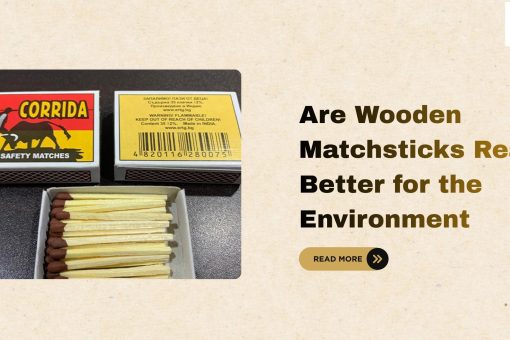
Are Wooden Matchsticks Really Better for the Environment

Do you want to ignite the fire while keeping your surroundings better?

There are various methods for igniting the fire using different sources, but using wooden matchsticks is safer than using other sources.

Wooden matchsticks offer a sustainable alternative to conventional matchsticks, making them a boon for the environment. Made from renewable resources like wood, these matchsticks decompose naturally, reducing environmental impact compared to their plastic counterparts. Their production often involves responsible forestry practices, further mitigating ecological harm.

Unlike plastic options wooden matchsticks typically do not have harmful chemicals, making them safer for both users and the environment. Additionally, their biodegradability ensures they leave behind minimal waste, contributing to a cleaner ecosystem.

Utilizing wooden matchsticks aligns with eco-conscious living, offering a simple yet impactful way to reduce one’s carbon footprint. Individuals can utilize sustainability and promote preserving our planet’s precious resources by opting for these eco-friendly alternatives
What are Matchsticks? An Overview
Matchsticks are small sticks, typically made of wood or cardboard, with a head coated in a combustible material, such as phosphorus or sulfur, that ignites when struck against a rough surface.

Wooden matchsticks are used to light fires, candles, stoves, or other combustible materials by creating a small flame when friction is applied to the match head. They are commonly found in households, camping gear, emergency kits, and various industrial settings where a portable and convenient fire-starting method is needed.

They come in different sizes and types, including safety matches with a special ignition strip, waterproof matches and long wooden matchsticks designed for outdoor use in wet conditions.

Important Note: Matchsticks are available in Various types. Even some matchsticks also pollute the environment, but comparatively, they contribute less.
Different Varieties Of Matchsticks
Matchsticks come in various varieties which cater to different needs and preferences. Here are a few varieties of matchsticks that meet your requirements.

Safety matches, for instance, are designed with a special ignition strip, ensuring they only ignite when struck against the designated surface. These matches reduce the risk of accidental fires, making them ideal for households with children or use in controlled environments.

Waterproof matches are coated in a substance that prevents them from becoming unusable when exposed to moisture, making them essential for outdoor activities like camping or survival.

Extra-long matchsticks offer extended reach, allowing users to safely light fires in deep or hard-to-reach places. Additionally, some matchsticks are infused with chemicals like magnesium, providing a more reliable and intense flame for specific applications.

With such diversity, matchsticks cater to a wide range of needs, ensuring there is a suitable option for every situation, from everyday household use to extreme outdoor adventures.
What makes matchsticks stand out from the other igniting sources?
Matchsticks hold a unique place among igniting sources due to several key attributes that set them apart from other options.

Firstly matchsticks are incredibly portable and convenient. Unlike larger fire-starting methods such as lighters, matchsticks are compact and lightweight, making them easy to carry in pockets, purses, camping gear, or emergency kits. This portability ensures that individuals can have a reliable means of ignition readily available whenever needed, whether it is for lighting a candle at home or starting a campfire in the wilderness.

Secondly, matchsticks offer a simple and easier ignition process. The match head ignites with just a quick strike against a rough surface, producing a flame almost instantaneously. This simplicity makes matchsticks accessible to people of all ages, learning basic fire safety to seasoned outdoor enthusiasts.

Furthermore, matchsticks are relatively inexpensive and widely available. They can be bought in bulk at reasonable prices, making them an economical choice for individuals and businesses.

Additionally, matchsticks are commonly found in convenience stores, supermarkets, and hardware stores, ensuring easy access for urban and rural consumers. They offer versatility, igniting diverse materials like candles and stoves. They are invaluable, safer, and more eco-friendly than alternatives.
Wooden Matchsticks – Safe or Not?
Wooden matchsticks are generally considered better for the environment than alternative options such as plastic or sulfur-coated matches. Several factors contribute to this environmental superiority.
Made from Renewable Resources
First, wooden matchsticks are typically made from renewable resources, primarily wood sourced from responsibly managed forests. Unlike non-renewable materials like plastic, which rely on fossil fuels for production, wooden matchsticks utilize a natural resource that can be replenished through sustainable forestry practices. This reduces the total environmental impact associated with the extraction and processing of raw materials.
Harmless Chemicals Involved
The production process for wooden matchsticks often involves fewer harmful chemicals and pollutants than alternative options. While some matchsticks may still contain small amounts of chemicals for ignition purposes, long wooden matchsticks generally have a lower environmental footprint in terms of chemical use and emissions. This is particularly true when compared to sulfur-coated matches, which release sulfur dioxide, a harmful air pollutant, when ignited.
Biodegradable in Nature
Additionally, wooden matchsticks are biodegradable and compostable, which breaks down naturally over time without any harmful residues or contributing to landfill waste. This contrasts with non-biodegradable alternatives like plastic lighters, which will never be decomposed in the environment for hundreds of years, posing risks to wildlife and ecosystems.
Lower Carbon Footprint
Wooden matchsticks typically have a lower carbon footprint throughout their lifecycle than alternative ignition sources. From production to disposal, long wooden matchsticks require less energy and resources, resulting in fewer greenhouse gas emissions and environmental impacts. This makes them a more sustainable choice especially for individuals and businesses looking to minimize their carbon footprint and regulate climate change.
Things to Consider
However, it is important to note that wooden matchsticks offer environmental benefits compared to some alternatives, but they are not without environmental considerations. For example, the forestry practices used to source wood for matchstick production must be carefully managed to protect biodiversity, soil health, and other ecological factors.

Additionally, like any manufactured product, wooden matchsticks require energy and resources for production and transportation, which can contribute to environmental impacts such as carbon emissions and resource depletion. Efforts to reduce these impacts may include:

Optimizing production processes.
Sourcing materials from certified sustainable forests.
Implementing energy-efficient practices throughout the supply chain.

Conclusion
Hopefully, this blog has made you aware of wooden matchsticks, which are generally better for the environment compared to alternative ignition sources. The environmental impact can vary depending on sourcing, production methods, and disposal practices.

By choosing responsibly sourced and produced wooden matchsticks and properly disposing of them after use, individuals and businesses can minimize their environmental footprint and contribute to a more sustainable future.

Choose Epoch Exports for the safety matches made with environmental care. We selectively choose wooden matchsticks that burn longer and meet safety and quality standards. Our matchsticks are not only sold here but also exported to various countries, as our customers really love them!


Posted by