Author: epoch_newadmin

Match Stick
Blogs

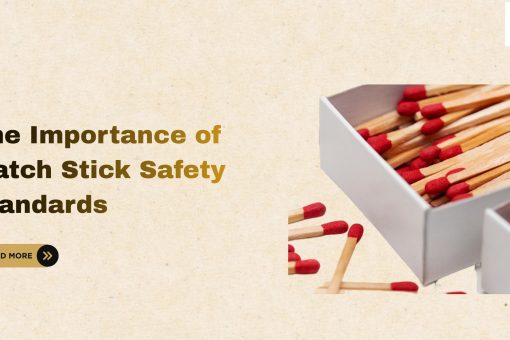
The Importance of Match Stick Safety Standards

Matchsticks are a useful and portable source of ignition that have been used for starting fires for ages. Safety regulations are essential in their production process as, despite their usefulness, they also carry inherent risks.

Safety regulations guarantee the safe production, handling, and use of matchsticks, reducing the risk of mishaps and safeguarding the health and safety of both customers and employees.

In this article, let’s look at the importance of match stick safety regulations, the difficulties manufacturers have in following them, and the advantages they provide for society
History of Match Stick Safety
Historically, materials used to make matchsticks presented serious dangers to consumer safety. Known as “strike-anywhere” matches, the original matches were made of white phosphorous, which ignited when it came into touch with air. Numerous incidents, including fires and worker phosphorus poisoning, were caused by this extremely flammable material.

Safety regulations governing the composition and method of manufacture of matchsticks were created in response to these risks. A big improvement in match stick safety was the introduction of safety matches, which need a certain striking surface to light. These matches lessen the possibility of an unintentional ignition by using non-toxic substances like sulfur, potassium chlorate, and an oxidizing agent.
Challenges Faced by Match Stick Manufacturers
Manufacturers continue to struggle to guarantee that safety regulations are followed, even with the developments in matchstick safety. Strict quality control procedures and cautious handling of combustible components are necessary for the production process. It can be expensive for manufacturers to ensure that workers have access to the right protective gear and are trained on safety practices.

Manufacturers also have difficulties when it comes to using sustainable resources, including recycled paper, in the creation of matchsticks. Despite being environmentally benign, these materials can be more difficult to ignite and may need additional chemicals, which raises questions regarding environmental impact and safety.
Benefits of Adhering to Safety Standards
There are various advantages for both match stick makers and consumers when safety regulations are followed during the manufacturing process. By lowering the chance of mishaps and fires, safety regulations safeguard both customers and employees. Utilizing sustainable materials and non-toxic chemicals allows firms to lessen their negative environmental effects while simultaneously enhancing their public perception.

Additionally, producers may experience cost savings and enhanced productivity as a result of strict adherence to safety regulations. Manufacturers may save time and money by lowering the risk of manufacturing errors and product recalls by putting best practices in safety and quality control into practice.
Global Efforts Towards Safety
There has been a global movement in favor of more stringent matchstick safety regulations in recent years. To guarantee uniformity and safety throughout the sector, organizations like the International Organization for Standardization (ISO) have created criteria for the manufacture of matchsticks.

Furthermore, there is now a greater need for safer products as a result of customer knowledge of safety concerns. In response, producers are allocating resources to research and development in order to enhance safety regulations and create novel, more secure merchandise.
Conclusion
Match stick safety standards play a crucial role in ensuring the safety of consumers and workers, as well as reducing environmental impact.

While challenges exist, such as the cost of compliance and the need for sustainable materials, the benefits of adhering to safety standards are clear.

By prioritizing safety and quality control, match stick manufacturers can protect their reputation, reduce the risk of accidents, and contribute to a safer and more sustainable future.

Looking for the best matchsticks manufacturers?

Epoch Exports is here to help you!

FAQs:

1.Are match sticks safe to use?

Yes, when used properly, match sticks are safe. However, it is essential to follow safety guidelines, such as keeping them away from children, using them in well-ventilated areas, and ensuring they are fully extinguished after use, to prevent accidents.

2.Why do match sticks have safety standards?

Match sticks have safety standards to ensure they are produced, handled, and used safely. These standards help minimize the risk of fires, accidents, and health hazards associated with match stick manufacturing and use, protecting both consumers and workers.

3.How do safety standards benefit manufacturers?

Adhering to safety standards benefits manufacturers by reducing the risk of accidents and product recalls, improving efficiency and cost savings, and enhancing their public image. By prioritizing safety and quality control, manufacturers can protect their reputation and ensure the well-being of their workers and consumers.

4.What are some challenges faced by match stick manufacturers in adhering to safety standards?

Some challenges faced by match stick manufacturers include the cost of compliance, the need for sustainable materials, and ensuring worker safety. The production process requires careful handling of flammable materials and adherence to strict quality control measures, which can be costly and challenging to implement.

Posted by epoch_newadmin
Safety Matches Suppliers
Blogs Safety Matches

7 Cost Effective Packaging Solutions for Safety Match Suppliers

Packaging is essential in the safety matches business because it guarantees that goods arrive at consumers’ locations undamaged and functions as an effective marketing tool.

Safety matches suppliers constantly seek cost-effective packaging solutions that balance product protection, branding, and environmental sustainability.

In this article let’s look into seven such solutions that safety matches suppliers can consider to optimize their packaging strategies and meet consumer expectations
Cardboard Matchboxes
The safety match industry relies heavily on cardboard matchboxes because of their price and adaptability. These boxes are a valuable marketing tool since they are simple to modify with branding and design. Additionally, cardboard is a lightweight material, which can help reduce shipping costs.

The recyclability of cardboard also appeals to environmentally conscious consumers, adding to the appeal of this packaging option. Overall, cardboard matchboxes offer a cost-effective solution for safety matches suppliers looking to package their products securely while maintaining a solid brand presence
Paperboard Sleeves
Paperboard sleeves provide additional protection for safety matches while offering a cost-effective packaging solution. These sleeves can be customized with printing, allowing safety matches suppliers to incorporate branding and design elements.

Paperboard sleeves are recyclable, as some may have coatings or laminations that hinder recyclability. Their lightweight nature makes them ideal for reducing shipping costs. Paperboard sleeves are an excellent choice for safety matches suppliers looking for a budget-friendly, eco-friendly packaging option.
Shrink Wrap Packaging
Shrink wrap packaging is a cost-effective way to package safety matches securely. The shrink wrap provides a tight seal around the matches, protecting them from moisture and damage. This type of packaging is also tamper-evident, providing added security for customers.

Shrink wrap packaging is a practical choice for safety matches providers since it is lightweight and easy to apply. It is also a reasonably priced way to package safety matches, even if it’s less green than other methods. Biodegradable shrink-wrap options are available but may be less common and potentially more expensive.
Bulk Packaging
Safety match providers can save money using bulk packaging when selling in bulk. Safety matches suppliers can save money by grouping matches into a single container, like a cardboard box or plastic bag, rather than requiring separate packaging.

This helps save on material costs and reduce labour costs associated with packaging. Bulk packaging is a practical choice for safety matches suppliers looking to minimize costs while providing customers a convenient way to purchase matches in bulk.
Plastic Matchboxes
Plastic matchboxes are a durable and cost-effective packaging option for matchbox suppliers. While not as environmentally friendly as other options, plastic matchboxes are reusable, making them a practical choice for customers.

These matchboxes can be customized with branding and design elements, enhancing their marketing potential. Plastic matchboxes are also lightweight, which can help reduce shipping costs. Plastic matchboxes are worth considering for safety matches suppliers looking for a budget friendly and durable packaging solution.
Biodegradable Packaging
Biodegradable packaging offers a sustainable and cost effective option for safety matches suppliers. Made from materials that break down naturally over time, such as cornstarch or sugarcane fibres, it appeals to environmentally conscious consumers.

While slightly more expensive than traditional packaging options, biodegradable packaging can help safety match suppliers differentiate their products. Safety matches suppliers can lessen their environmental effects and give clients a sustainable packaging alternative by selecting biodegradable packaging.
Reusable Tin Containers
Reusable tin containers offer an economical and environmentally responsible packaging option for safety matches suppliers. Customers can keep these sturdy containers to hold little items like matches. Tin containers are a valuable marketing tool since they can be personalized with logos and other design components.

Reusable tin containers are marginally more costly than alternative packaging choices, but they provide long-term benefits for safety match providers and buyers. By using recyclable tin containers, safety matches suppliers can lessen their environmental impact and give clients useful and environmentally friendly packaging choices. Also, tin containers may have a higher initial cost, their reusability can lead to long-term cost savings and environmental benefits, making them a sustainable choice in the long run.
Conclusion
Suppliers of safety matches items offer a variety of affordable packaging options to safeguard their goods, improve their reputation as a brand, and win over ecologically conscientious customers.

Whether opting for cardboard matchboxes, paperboard sleeves, shrink wrap packaging, bulk packaging, plastic matchboxes, biodegradable packaging, or reusable tin containers, each option offers unique benefits that can help suppliers achieve their packaging goals.

By carefully considering these packaging solutions and their suitability for their products and target market, safety match suppliers can ensure that their products are well-protected during transit and contribute to a more sustainable future.

Looking for the best safety matches suppliers? Epoch Exports is the right place!

Posted by epoch_newadmin
Suppliers
Blogs Customised Matches

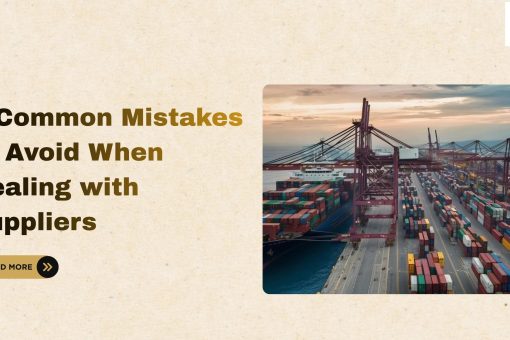
5 Common Mistakes to Avoid When Dealing with Suppliers

In the year 2024, managing suppliers can be an essential component of preserving a smooth supply chain.

Agree?

However, there are typical issues that companies frequently run into when interacting with suppliers, particularly in sectors where dependability and quality are crucial, like safety matches.

When working with safety match providers, here are 5 Common Mistakes to Avoid When Dealing with Suppliers.

In this article let’s look into all these 5 mistakes in detail
5 Common Mistakes to Avoid When Dealing with Suppliers
Ignoring Due Diligence
Collaborating with safety match providers without extensive due diligence can be dangerous. Investigating possible suppliers’ standing, dependability, and performance history is crucial.

Examine their track record in the field, customer endorsements, and any previous instances of poor product quality or late delivery. The risk of working with shady vendors can be reduced by carefully screening providers in advance.
Ignoring Communication
Effective communication is key to successful supplier relationships. Failing to establish clear communication lines from the outset can lead to misunderstandings, delays, and frustration.

Ensure that expectations regarding product specifications, delivery schedules, and pricing are communicated clearly and documented in writing.

Regular communication, whether through email, phone calls, or face-to-face meetings, helps to build trust and transparency between you and your safety matches suppliers.
Overlooking Quality Assurance
Quality control is a non-negotiable requirement for safety match providers. Failure to implement robust quality control measures can result in receiving substandard products that fail to meet safety standards or customer expectations.

At several points during the production process, insist on routine quality checks to find and fix any flaws or deviations immediately. To verify that safety laws and moral principles are being followed, you should also consider performing recurring audits of the facilities owned by your safety matches suppliers
Ignoring Contractual Agreements
It’s easy to overlook the importance of formalizing the agreement in writing to secure a deal with safety matches suppliers. However, verbal agreements leave room for ambiguity and can lead to disputes later.

Draft comprehensive contracts that outline the partnership’s terms and conditions, including pricing, payment terms, delivery schedules, and dispute resolution mechanisms. A legally enforceable agreement safeguards the interests of both parties and offers a framework for settling potential conflicts.
Failing to Diversify Suppliers
Relying too heavily on a single safety matches suppliers exposes your business to various risks, such as supply chain disruptions, price fluctuations, and quality issues.

Diversifying your supplier base by engaging with multiple vendors spreads risk and enhances your ability to adapt to changing market conditions.

Explore domestic and international alternative suppliers and assess their capabilities, pricing, and reliability.

By diversifying your supplier network, you can reduce dependency on any single source and ensure continuity of supply.
Conclusion
We all know that supply chain management varies from industry to industry based on the products, we supply high quality matches.

So if you are someone looking for the best matchstick suppliers we are here to help you .

Also, know that while collaborating with safety match providers, it’s imperative to avoid these common mistakes in order to maintain a strong and trustworthy supply chain.

Companies in the safety matches industry may lower risks and build enduring relationships that drive success by conducting thorough due diligence, encouraging effective communication, putting quality assurance first, formalising agreements, and broadening their supplier base.


Posted by epoch_newadmin
Wooden Matchsticks
Blogs

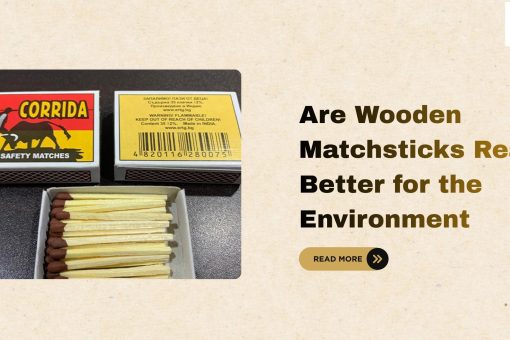
Are Wooden Matchsticks Really Better for the Environment

Do you want to ignite the fire while keeping your surroundings better?

There are various methods for igniting the fire using different sources, but using wooden matchsticks is safer than using other sources.

Wooden matchsticks offer a sustainable alternative to conventional matchsticks, making them a boon for the environment. Made from renewable resources like wood, these matchsticks decompose naturally, reducing environmental impact compared to their plastic counterparts. Their production often involves responsible forestry practices, further mitigating ecological harm.

Unlike plastic options wooden matchsticks typically do not have harmful chemicals, making them safer for both users and the environment. Additionally, their biodegradability ensures they leave behind minimal waste, contributing to a cleaner ecosystem.

Utilizing wooden matchsticks aligns with eco-conscious living, offering a simple yet impactful way to reduce one’s carbon footprint. Individuals can utilize sustainability and promote preserving our planet’s precious resources by opting for these eco-friendly alternatives
What are Matchsticks? An Overview
Matchsticks are small sticks, typically made of wood or cardboard, with a head coated in a combustible material, such as phosphorus or sulfur, that ignites when struck against a rough surface.

Wooden matchsticks are used to light fires, candles, stoves, or other combustible materials by creating a small flame when friction is applied to the match head. They are commonly found in households, camping gear, emergency kits, and various industrial settings where a portable and convenient fire-starting method is needed.

They come in different sizes and types, including safety matches with a special ignition strip, waterproof matches and long wooden matchsticks designed for outdoor use in wet conditions.

Important Note: Matchsticks are available in Various types. Even some matchsticks also pollute the environment, but comparatively, they contribute less.
Different Varieties Of Matchsticks
Matchsticks come in various varieties which cater to different needs and preferences. Here are a few varieties of matchsticks that meet your requirements.

Safety matches, for instance, are designed with a special ignition strip, ensuring they only ignite when struck against the designated surface. These matches reduce the risk of accidental fires, making them ideal for households with children or use in controlled environments.

Waterproof matches are coated in a substance that prevents them from becoming unusable when exposed to moisture, making them essential for outdoor activities like camping or survival.

Extra-long matchsticks offer extended reach, allowing users to safely light fires in deep or hard-to-reach places. Additionally, some matchsticks are infused with chemicals like magnesium, providing a more reliable and intense flame for specific applications.

With such diversity, matchsticks cater to a wide range of needs, ensuring there is a suitable option for every situation, from everyday household use to extreme outdoor adventures.
What makes matchsticks stand out from the other igniting sources?
Matchsticks hold a unique place among igniting sources due to several key attributes that set them apart from other options.

Firstly matchsticks are incredibly portable and convenient. Unlike larger fire-starting methods such as lighters, matchsticks are compact and lightweight, making them easy to carry in pockets, purses, camping gear, or emergency kits. This portability ensures that individuals can have a reliable means of ignition readily available whenever needed, whether it is for lighting a candle at home or starting a campfire in the wilderness.

Secondly, matchsticks offer a simple and easier ignition process. The match head ignites with just a quick strike against a rough surface, producing a flame almost instantaneously. This simplicity makes matchsticks accessible to people of all ages, learning basic fire safety to seasoned outdoor enthusiasts.

Furthermore, matchsticks are relatively inexpensive and widely available. They can be bought in bulk at reasonable prices, making them an economical choice for individuals and businesses.

Additionally, matchsticks are commonly found in convenience stores, supermarkets, and hardware stores, ensuring easy access for urban and rural consumers. They offer versatility, igniting diverse materials like candles and stoves. They are invaluable, safer, and more eco-friendly than alternatives.
Wooden Matchsticks – Safe or Not?
Wooden matchsticks are generally considered better for the environment than alternative options such as plastic or sulfur-coated matches. Several factors contribute to this environmental superiority.
Made from Renewable Resources
First, wooden matchsticks are typically made from renewable resources, primarily wood sourced from responsibly managed forests. Unlike non-renewable materials like plastic, which rely on fossil fuels for production, wooden matchsticks utilize a natural resource that can be replenished through sustainable forestry practices. This reduces the total environmental impact associated with the extraction and processing of raw materials.
Harmless Chemicals Involved
The production process for wooden matchsticks often involves fewer harmful chemicals and pollutants than alternative options. While some matchsticks may still contain small amounts of chemicals for ignition purposes, long wooden matchsticks generally have a lower environmental footprint in terms of chemical use and emissions. This is particularly true when compared to sulfur-coated matches, which release sulfur dioxide, a harmful air pollutant, when ignited.
Biodegradable in Nature
Additionally, wooden matchsticks are biodegradable and compostable, which breaks down naturally over time without any harmful residues or contributing to landfill waste. This contrasts with non-biodegradable alternatives like plastic lighters, which will never be decomposed in the environment for hundreds of years, posing risks to wildlife and ecosystems.
Lower Carbon Footprint
Wooden matchsticks typically have a lower carbon footprint throughout their lifecycle than alternative ignition sources. From production to disposal, long wooden matchsticks require less energy and resources, resulting in fewer greenhouse gas emissions and environmental impacts. This makes them a more sustainable choice especially for individuals and businesses looking to minimize their carbon footprint and regulate climate change.
Things to Consider
However, it is important to note that wooden matchsticks offer environmental benefits compared to some alternatives, but they are not without environmental considerations. For example, the forestry practices used to source wood for matchstick production must be carefully managed to protect biodiversity, soil health, and other ecological factors.

Additionally, like any manufactured product, wooden matchsticks require energy and resources for production and transportation, which can contribute to environmental impacts such as carbon emissions and resource depletion. Efforts to reduce these impacts may include:

Optimizing production processes.
Sourcing materials from certified sustainable forests.
Implementing energy-efficient practices throughout the supply chain.

Conclusion
Hopefully, this blog has made you aware of wooden matchsticks, which are generally better for the environment compared to alternative ignition sources. The environmental impact can vary depending on sourcing, production methods, and disposal practices.

By choosing responsibly sourced and produced wooden matchsticks and properly disposing of them after use, individuals and businesses can minimize their environmental footprint and contribute to a more sustainable future.

Choose Epoch Exports for the safety matches made with environmental care. We selectively choose wooden matchsticks that burn longer and meet safety and quality standards. Our matchsticks are not only sold here but also exported to various countries, as our customers really love them!


Posted by epoch_newadmin
Match boxes
Blogs

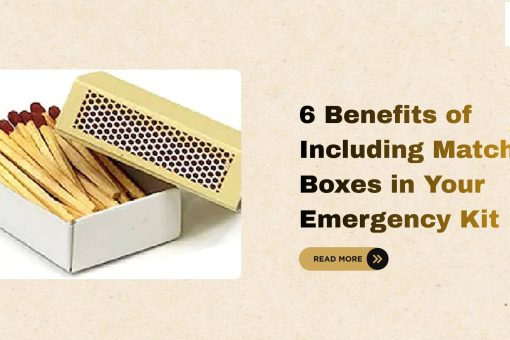
6 Benefits of Including Match Boxes in Your Emergency Kit

Emergency kits are an essential part of any disaster preparedness plan. Whether it is a natural disaster or a man made crisis such as a power outage, having a well-equipped emergency kit can make the difference in providing safety and survival.

One of the essential items used in emergency kits is matchboxes. While it may seem simple, having a reliable means to start a fire can be crucial for warmth, cooking, signal fires, and more. This blog will explore the importance of including matchboxes in emergency kits and the various uses they can serve during a crisis.
Why Do Matchboxes Serve as an Emergency Purpose?
Fire is essential for various purposes, including sterilizing water, providing warmth, and signaling for rescue.

Match boxes serve as an emergency tool due to their compactness, portability, and crucial function of igniting fires. In emergency situations, such as power outages, wilderness survival, or accidents requiring warmth or signaling, matches provide a reliable means of quickly creating fire.

Unlike lighters match boxes are typically more essential to environmental conditions making them dependable in adverse situations. Their compactness allows them to be easily stored in emergency kits, backpacks, or pockets, ensuring readiness when needed.

Matchboxes require minimal skill to use the matchsticks effectively, making them accessible to people of all backgrounds in times of crisis. Thus, they serve as a versatile and indispensable tool in emergency preparedness and survival scenarios.
6 Benefits of Having Matchbox an Emergency Kit
Matchboxes are offering numerous benefits that aid in survival, safety, and practicality. Here are six key advantages of having a matchbox for emergency purposes
Reliable Fire Ignition
One of the primary benefits of a safety match box in