Author: epoch_newadmin

Safety Matches
Blogs Exports Manufacturer

Why Safety Matches Are Still Popular?

Introduction 
Safety matches manufacturers continue to play a significant role in the production of this timeless product, ensuring that safety matches remain a popular choice for consumers worldwide. Despite the rapid pace of technological advancement and the availability of newer alternatives, safety matches remain a staple in homes, businesses, and survival kits. In this article, we will explore the enduring appeal of safety matches, the practical benefits they offer, and how safety matches manufacturers maintain the relevance of this essential item.
The Basics of Safety Matches
Safety matches, invented in the 19th century, are designed to ignite only when struck against a specially prepared surface. This feature significantly reduces the risk of accidental ignition, making them safer than regular matches. The design typically involves a wooden or cardboard stick coated with a combustible mixture that ignites when struck against a specific striker strip. This mechanism has ensured that safety matches remain a practical option for lighting fires, whether for cooking, camping, or everyday use.
Convenience and Portability
One of the main reasons safety matches remain popular is their convenience and portability. Safety matches are compact and lightweight, making them easy to carry in pockets, bags, or camping gear. Unlike lighters, which may require refueling or can malfunction, safety matches provide a straightforward and reliable means of starting a fire. Whether you’re at a picnic, hiking, or simply need to light a candle, safety matches are a dependable choice.
Cost-Effective Solution
Safety matches are an affordable option compared to other fire-starting devices. A box of safety matches typically costs very little and can last for an extended period if stored properly. Their low cost makes them accessible to a broad range of consumers, from individuals to families and even businesses. Safety matches are also available in bulk from safety match manufacturers, allowing for even greater savings for those who use them regularly.
Environmental Considerations
In an age where sustainability is a priority, safety matches offer an eco-friendly alternative to many disposable lighters. Most safety matches are made from renewable resources, such as wood and cardboard, which are biodegradable. Furthermore, safety matches generate less waste compared to plastic lighters, which can take hundreds of years to decompose. By choosing safety matches, environmentally conscious consumers can make a small but meaningful contribution to reducing plastic pollution.
Safety and Reliability
Safety matches are designed with safety in mind, significantly reducing the risk of accidental ignition. Unlike lighters, which can be accidentally ignited in pockets or bags, safety matches remain inert until struck against the designated surface. This reliability is crucial for parents, campers, and anyone concerned about safety in fire-related activities. The controlled ignition process offers peace of mind, especially for those who use fire in their daily lives.
A Touch of Nostalgia
For many people, safety matches evoke a sense of nostalgia. They remind us of simpler times, when lighting a fire was an essential skill and part of everyday life. Many consumers appreciate the aesthetic appeal of safety matches, with their beautifully designed boxes and colorful matchsticks. Collectors often seek out unique or vintage matchbox designs, further cementing the cultural significance of safety matches.
Versatile Uses
Safety matches are versatile and can be used in various settings and applications. They are not just for lighting candles or fireplaces; safety matches are also invaluable for starting barbecues, campfires, and even wood-burning stoves. Additionally, they can be used in emergency situations, such as lighting a fire for warmth or cooking when traditional sources of heat are unavailable. Their multifunctionality adds to their appeal as a practical tool for both everyday and emergency use.
The Role of Safety Matches Manufacturers
Safety match manufacturers play a vital role in ensuring the continued popularity of safety matches. These companies are dedicated to producing high-quality products that meet safety standards and consumer expectations. Many manufacturers have invested in research and development to improve the performance and safety features of their matches.

Furthermore, safety matches manufacturers are exploring innovative marketing strategies to keep their products relevant. By emphasizing the safety, eco-friendliness, and nostalgic qualities of safety matches, they can attract new customers while retaining loyal users. Collaboration with outdoor and camping brands has also introduced safety matches to new audiences, further driving demand.
Conclusion
Despite the abundance of contemporary conveniences, safety matches continue to be popular. They are a sensible option for customers due to their affordability, ease of use, and environmental advantages. 

Furthermore, individuals of all ages are still drawn to safety matches because of their nostalgic and adaptable qualities. Safety matches will probably continue to be a popular and dependable choice for starting fires for many years to come as producers adjust to shifting consumer tastes and market demands.

Safety matches are a timeless solution that satisfies the demands of modern consumers thanks to their distinctive blend of usefulness, security, and charm.

Looking for popular safety matches manufacturers? 

Epoch Exports is the right place! 

Posted by epoch_newadmin
Safety Matches Manufacturers
Blogs Exports Manufacturer

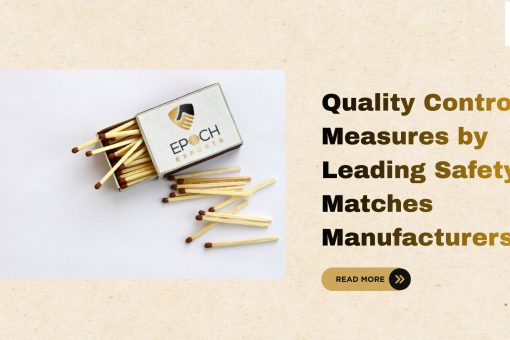
Quality Control Measures by Leading Safety Matches Manufacturers

Introduction
Safety matches manufacturers face stringent regulations and standards to ensure both product safety and reliability. Safety matches, being essential household items, must perform under various conditions without posing fire hazards. To meet these demands, safety matches manufacturers implement rigorous quality control processes that not only enhance product performance but also guarantee customer satisfaction. This article will delve into the critical quality control measures adopted by top manufacturers in the safety matches export industry.
1. Raw Material Selection and Inspection
A key factor in producing high-quality safety matches lies in the careful selection of raw materials. The wood, chemicals, and striking surfaces used by safety matches manufacturers must adhere to strict industry standards. For instance, wood such as aspen and poplar, selected for durability and burning properties, undergoes thorough inspection to ensure uniformity. This meticulous process guarantees that the safety matches produced meet the quality expectations for both domestic and safety matches export markets.
2. Moisture Control
Maintaining the correct moisture level is critical in safety matches manufacturing. Manufacturers employ precise drying processes to ensure that both wood and chemicals retain the ideal moisture content. This step is essential to prevent issues during ignition, which is particularly important in safety matches export where products may encounter varying climate conditions.
3. Precision in Chemical Dipping and Coating
Safety matches manufacturers depend on advanced machinery for the chemical dipping process, which coats the match heads with the necessary compounds for ignition. Uniformity in this coating is essential for the safety matches to ignite safely and consistently. As these products are often exported worldwide, especially to regions with varying climates, strict attention to detail ensures that safety matches export clients receive products that perform under diverse conditions.
4. Friction Surface Quality Control
The friction surface is crucial for reliable ignition, and safety matches manufacturers pay close attention to the even application of the striking surface. Regular tests ensure the surface reacts correctly with the match head chemicals, ensuring that the matches work efficiently regardless of where they are used, be it for local consumption or safety matches export.
5. Burn Tests for Match Performance
Random burn tests are carried out by safety matches manufacturers to assess the performance of their products under different environmental conditions. These tests ensure that the matches ignite properly and provide a stable flame, a crucial factor for safety matches export clients who expect consistent quality. Safety matches that fail to meet these standards are discarded before reaching the market.
6. Packaging and Final Inspection
Effective packaging is crucial for preserving the quality of safety matches, particularly for safety matches export shipments. Proper sealing prevents moisture from damaging the matches during transport, ensuring that the product remains reliable upon reaching international customers. The final inspection by safety matches manufacturers ensures that every box meets the highest standards before it leaves the factory.
7. Compliance with Safety Standards and Regulations
To maintain their reputation as leading safety matches manufacturers, companies must comply with both local and international safety standards. Regular audits ensure adherence to chemical composition regulations, burn time requirements, and packaging safety. These measures are particularly important in the safety matches export industry, where non-compliance could result in product recalls or market restrictions.
Conclusion
Safety matches manufacturers employ comprehensive quality control systems to ensure that their products are safe, reliable, and compliant with industry standards. Whether intended for local markets or safety matches export, these stringent measures guarantee that consumers receive high-performing products. By prioritizing quality, manufacturers safeguard their reputation and deliver on their promise of safety and performance in every match. 

Posted by epoch_newadmin
Wax Matches Manufacturers
Wax Matches Blogs Exports Manufacturer

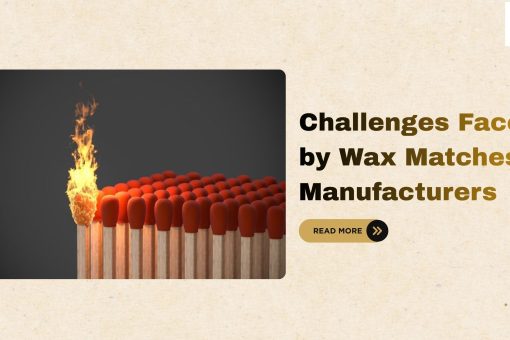
Challenges Faced by Wax Matches Manufacturers

Introduction
Wax match manufacturing is a niche industry that has existed for centuries, with the product being an essential household item. However, in today’s rapidly changing economic and environmental landscape, wax match manufacturers face various challenges that threaten the viability of the business. 

Despite its long-standing presence in households, industries, and survival gear, the wax match industry has to navigate through modern-day challenges that range from fluctuating raw material prices to environmental regulations and shifts in consumer behavior. 

In this article, we will explore five key challenges that wax match manufacturers encounter and how they impact the business.
1. Rising Costs of Raw Materials
One of the most significant challenges wax match manufacturers face is the rising cost of raw materials. Wax matches require several key ingredients, including wood for the matchsticks, paraffin wax for coating, chemicals for ignition, and packaging materials. Each of these components is subject to market volatility.
-Wood and Environmental Sustainability:
The wood used in making matches, typically softwood species like poplar or aspen, is sourced from forests. Deforestation concerns, coupled with the rising cost of sustainably sourced timber, have placed pressure on manufacturers to seek alternatives or pay a premium for eco-friendly materials. With governments and organizations pushing for more sustainable forestry practices, there are increased regulatory costs involved in obtaining certifications like FSC (Forest Stewardship Council) approval, which ensures wood is harvested responsibly.
– Paraffin Wax:
Another major component is paraffin wax, which is derived from petroleum. Fluctuations in the price of crude oil directly impact the cost of wax, making budgeting for production a challenge. With global oil prices subject to geopolitical instability, this can make it difficult for match manufacturers to maintain consistent production costs. Some manufacturers have begun exploring alternatives like soy or beeswax, but these come with their own set of challenges, such as availability and higher cost.
– Chemicals and Safety:
The match head contains chemicals like potassium chlorate, sulfur, and phosphorus, all of which have seen price increases due to regulatory changes, production challenges, and supply chain issues. Moreover, handling these chemicals safely in a manufacturing environment adds to the operational costs, as safety measures must be in place to protect workers from potentially hazardous substances.
2. Stringent Environmental Regulations
The wax match industry has come under increasing scrutiny due to environmental concerns. Many of the materials and processes used in wax match production are not considered environmentally friendly, and regulatory bodies around the world are implementing stricter guidelines.
– Emissions and Waste:
The production of matches, particularly the use of chemicals in the match head and the combustion of wood, generates emissions and waste. As governments impose stricter controls on industrial emissions, manufacturers must invest in more efficient technologies and cleaner production methods to meet the new standards. This may require upgrading machinery, incorporating waste treatment systems, or switching to less harmful chemicals, all of which drive up production costs.
– Sustainable Sourcing:
Many manufacturers are under pressure to switch to sustainably sourced materials, particularly when it comes to wood and wax. This might mean moving away from paraffin wax, which is petroleum-based, toward renewable alternatives like soy or palm wax. However, the shift to sustainable materials comes with its own set of challenges, as these materials are often more expensive and less widely available. Additionally, the shift in consumer preference for environmentally friendly products means that manufacturers must adapt or risk losing market share.
3. Increased Competition from Alternative Products
The decline in the use of traditional matches has been driven by the proliferation of alternative products, such as lighters and electric igniters. Modern consumers, especially in urban settings, tend to prefer reusable lighters for both economic and environmental reasons. Lighters are convenient, durable, and have a longer lifespan than a box of matches.
– Technological Advancements:
The rise of electronic ignition devices, such as USB-rechargeable lighters and arc lighters, has disrupted the market for wax matches. These devices offer convenience, safety, and environmental benefits, as they do not rely on single-use resources like wood or chemicals. As these alternatives become more affordable, they pose a growing threat to the wax match industry, which must innovate or risk becoming obsolete.
– Shifts in Consumer Behavior:
Modern consumers, particularly younger generations, are becoming more environmentally conscious and are moving away from disposable products like matches. This has led to a significant reduction in demand for wax matches, particularly in regions where environmental concerns are at the forefront of purchasing decisions. Match manufacturers must now find ways to cater to niche markets, such as survivalists and outdoor enthusiasts, to maintain relevance in a changing marketplace.
4. Safety Concerns and Liability Issues
The production and use of matches come with inherent safety risks, both in terms of the manufacturing process and the end-user experience. Accidents involving fire can lead to serious injuries, property damage, and even loss of life, which places a significant liability burden on manufacturers.
– Workplace Safety:
In the manufacturing environment, handling chemicals like phosphorus and potassium chlorate requires stringent safety protocols to prevent accidents such as fires or explosions. Workers need to be trained and equipped with protective gear, and machinery must be maintained to ensure safe operation. This adds to the cost of production and requires constant vigilance to avoid costly lawsuits or shutdowns due to safety violations.
– Consumer Safety:
Matches are inherently flammable and can pose a danger if not used correctly. Manufacturers face the risk of litigation if their products are deemed unsafe or if they are involved in accidents. For example, defective matches that ignite too easily or fail to extinguish properly can result in house fires, leading to legal action. As a result, manufacturers must invest in quality control measures and ensure that their products meet safety standards to avoid liability issues.
5. Supply Chain Disruptions and Globalization
Globalization has created opportunities for wax match manufacturers to access new markets, but it has also exposed them to supply chain disruptions. In today’s interconnected world, disruptions in one part of the supply chain can have ripple effects across the entire production process.
– Raw Material Shortages: 
Global supply chain disruptions, such as those caused by the COVID-19 pandemic, have highlighted the vulnerabilities in the wax match industry’s reliance on international suppliers. Shortages of key materials like wood or chemicals can halt production and lead to delayed shipments and lost sales. Manufacturers must now balance the cost-effectiveness of global sourcing with the need for a more resilient supply chain by diversifying suppliers or bringing production closer to home.
– Shipping and Logistics Challenges: 
As transportation costs rise, particularly in the wake of global fuel price increases, manufacturers are forced to absorb or pass these costs on to consumers. Additionally, political factors such as trade tariffs and export restrictions can further complicate international trade, making it difficult for manufacturers to compete in a global market. In some cases, domestic production is not enough to meet demand, so relying on imports for raw materials becomes a logistical challenge.
Conclusion
The wax match manufacturing industry faces a complex set of challenges in today’s rapidly changing economic and regulatory environment. From the rising costs of raw materials and stringent environmental regulations to increased competition from alternative products, the industry must adapt to survive. 

Manufacturers need to innovate by embracing sustainable practices, investing in safer production methods, and finding niche markets to remain competitive. As global supply chains become more interconnected and vulnerable to disruption, wax match producers must find new ways to remain agile and resilient in the face of these challenges. 

While the industry is far from obsolete, it will require significant effort and adaptation to thrive in the modern world.

Looking for the best safety matches manufacturers?

Epoch Exports is the right place!
Posted by epoch_newadmin
Safety Matches
Blogs Safety Matches

6 tips for reducing Waste in Custom Safety Matches Packaging

Businesses are focusing more and more on cutting waste and limiting their environmental impact in eco-aware society. This applies to all industries, including those involved in producing and packaging safety matches.

By adopting sustainable practices in custom safety matches packaging, manufacturers can reduce waste, lower costs, and appeal to environmentally aware customers.
In this article, we’ll explore six practical tips for reducing waste in custom safety matches packaging while maintaining high-quality standards
Use Recyclable and Eco-Friendly Materials
One of the best methods to cut waste is to choose reusable and environmentally friendly materials for safety-match packaging. Instead of using plastic or non-recyclable materials, consider using paper-based or biodegradable packaging.

Cardboard, kraft paper, and other plant-based materials are excellent choices that reduce waste and enhance your product’s appeal. By switching to recyclable packaging, you can ensure that your safety matches leave a smaller carbon footprint while meeting customer demands for environmentally responsible products.

Benefits of Eco-Friendly Materials:

Reduces plastic waste and pollution
Attracts environmentally conscious consumers
Helps in meeting sustainability goals

Optimise Packaging Size and Design
Another important factor in reducing waste is optimizing the size and design of the packaging. Safety matches should be packaged efficiently, using the minimum material necessary without compromising protection. Small and complex packaging increases material use and waste. By optimizing packaging design, manufacturers can reduce waste, lower production costs, and create more streamlined packaging solutions.

Tips for Packaging Optimization:

Eliminate unnecessary layers or inserts
Design compact packaging to reduce material use
Ensure packaging still protects the product during transportation

Implement Minimalistic Branding and Printing
Custom safety matches packaging often includes branding elements like logos, designs, and product information. However, excessive printing, inks, and coatings can contribute to waste and make recycling more difficult.

A minimalist approach to branding can reduce the amount of ink used and make the packaging easier to recycle. By keeping designs simple and using fewer resources, safety match manufacturers can cut down on waste while still creating visually appealing packaging.

Minimalistic Branding Strategies:

Use a limited colour palette to reduce ink usage
Avoid using unnecessary coatings or laminates
Ensure that branding focuses on clear and essential information

Incorporate Reusable Packaging Solutions
To further reduce waste, consider incorporating reusable packaging designs. While single-use packaging is the norm, developing reusable matchboxes or containers can help minimize the volume of waste generated.

Reusable packaging solutions can be more durable and create a long-lasting product for consumers. For example, metal or wooden matchboxes can be refilled and reused multiple times, creating a sustainable alternative to disposable packaging.

Advantages of Reusable Packaging:

Reduces the need for frequent production and disposal
Enhances the perceived value of the product
Appeals to eco-conscious consumers looking for sustainable solutions

Adopt Digital Labeling Techniques
Traditional labelling methods often involve adhesive labels or direct printing, both of which contribute to packaging waste. Digital labelling techniques, such as QR codes or augmented reality (AR) labels, can provide an innovative solution to this problem.

By including a QR code on the packaging, safety matches manufacturers can provide consumers with detailed product information, instructions, and branding elements digitally. This approach reduces the need for excessive printing while offering consumers a more interactive and engaging experience.

Benefits of Digital Labeling:

Reduces the need for physical labels and additional materials
Allows for dynamic updates and changes to product information
Offers consumers a more engaging and informative experience

Implement Lean Manufacturing Practices
Finally, adopting lean manufacturing practices is a key strategy for reducing waste in custom-match packaging. Lean manufacturing focuses on minimizing waste in all areas of production, from materials to energy use. Safety match manufacturers can create more efficient systems that conserve resources and reduce environmental impact by analyzing the production process and identifying areas where waste can be reduced.

Key Aspects of Lean Manufacturing:

Streamline production processes to minimize waste
Regularly review material usage to identify areas for improvement
Use energy-efficient machinery and reduce downtime

Conclusion
Reducing waste in custom safety matches packaging is beneficial for the environment and businesses looking to cut costs and enhance brand image.

Safety match manufacturers can positively impact the environment while maintaining quality and efficiency by using eco-friendly materials, optimizing packaging design, incorporating reusable solutions, and adopting lean manufacturing practices.

These six tips provide practical solutions to reduce waste in match packaging, ensuring that your business stays competitive in an increasingly eco-conscious market.

By using these waste-reduction techniques, the safety match manufacturer sector will be able to meet the increasing demand from consumers for sustainable products while also making a positive impact on the environment.

Looking for the best safety match manufacturer in India?

Epoch Exports is the right place!

Posted by epoch_newadmin